
Can You Air Dry Pillows? (And How To Do It Safely)
Whether you just finished washing pillows for the first time or your dryer is on the fritz, you're probably wondering if air drying is a safe option. The short answer is yes, but the details matter more than you might expect.
Quick Answer: Can You Air Dry Pillows?
Yes, you can air dry most pillows. Down, down alternative, polyester, cotton, and microbead pillows all respond well to air drying, provided you follow the care label and give them enough drying time to dry completely through the core. Air drying pillows risks mold and mildew if not dried completely, so patience is non-negotiable here.
Some pillow types actually require air drying. Memory foam pillows and latex pillows should never go in a tumble dry cycle because high heat degrades their structure. On the other hand, down pillows can be dried in a dryer with tennis balls if the care label permits. Common pillow fillings include down and polyester fiberfill, and both generally handle air drying well. Using a dryer is faster but can damage certain pillow materials, which is why air drying prevents heat damage to delicate materials and helps pillows keep their shape and loft longer. It also avoids electricity costs associated with using a dryer.
You should choose air drying if:
-
You don't have a dryer or machine drying isn't an option
-
Your pillow's filling is sensitive (foam, delicate down, microbeads)
-
You're concerned about shrinkage or fabric damage
-
You live in a warm, dry climate where air drying is fast
-
The washing instructions on the care label recommend it
One note on direct sunlight: mild morning sun can speed up the drying process, but hours of intense midday direct sunlight may fade fabric or damage a down pillow's delicate clusters. Indirect sunlight is usually the safer bet.
With that foundation, let's walk through exactly how to air dry every type of pillow safely and effectively.
Spotlight: Air Drying a Travel Fanatics Mini Microbead Pillow
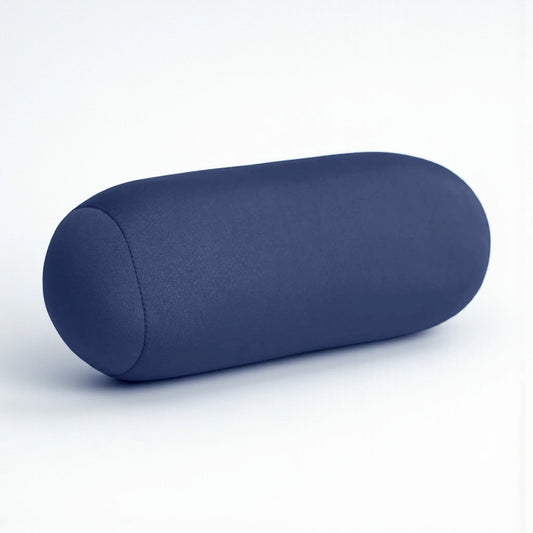
Small travel pillows are especially easy to air dry because of their compact size and synthetic materials. The Travel Fanatics Mini Microbead Pillow is a perfect example: a bolster-style pillow about 3.5" in diameter by 8" long, filled with tiny microbeads, wrapped in a soft stretchy cover, and designed for neck, lower back, or knee support.
After spot cleaning or a gentle hand wash with warm water and a gentle detergent, here's how to air dry it. First, gently press out as much water as possible without wringing. Lay the pillow on a dry towel and blot to absorb excess moisture. Then place it flat on a drying rack or prop it in a well ventilated area with good airflow. Flip and rotate every few hours to prevent moisture pockets.
Microbead pillows should be air dried completely because putting them in a hot dryer is a bad idea. High heat can warp the beads, weaken seams, and cause shape loss. Air drying prevents damage to microbead pillows entirely. Expect 12 to 24 hours of drying time indoors with decent airflow. Make sure the pillow is fully dry before packing it in a suitcase or storing it.
Travelers can easily air dry this pillow inside hotel rooms near an open window or under an oscillating fan after long flights or road trips. It's a low-maintenance option built for people who prefer simple air drying over machine drying.

How to Air Dry a Pillow Step by Step
The basic drying process is similar for most pillows after machine washing or hand wash cleaning: remove excess water, encourage airflow, and allow enough time for the pillow inside to dry completely. Pillows generally take longer to dry than clothes, so plan accordingly.
Start by checking the care label to confirm the fill type, whether the pillow's cover is a removable cover, and any specific warnings. Next, press out excess water by gently squeezing the pillow between your hands or against the side of the tub. Extra water should be removed without wringing to preserve shape, so avoid any twisting motion that could stress seams or the filling.
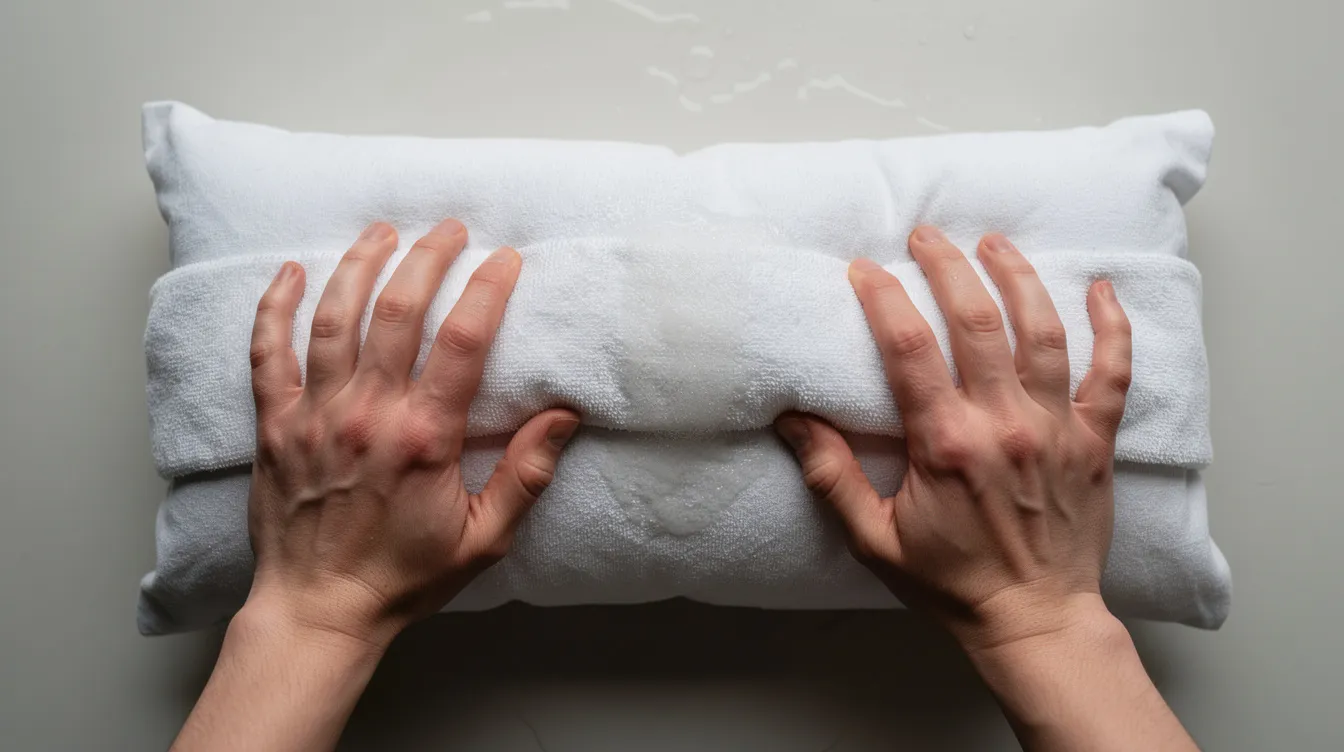
Take a large, absorbent dry towel, lay the pillow on it, and roll it up tightly. Press firmly along the roll to blot extra water. This step alone can cut your drying time significantly. Then position the pillow flat on a drying rack, mesh platform, or clean breathable surface. Pillows should be placed flat on breathable surfaces to prevent mildew. Leave space between pillows if you're drying more than one so air circulates freely.
Rotate, flip, and gently fluff pillows every few hours. Fluff pillows regularly while air drying to prevent clumping, which is especially important for a down pillow or down alternative fills. For your dryness check, bend or hug the pillow firmly and feel for cool, damp spots inside. The pillow must feel completely dry all the way through before you put it back on your bed or into storage. Ensure pillows are completely dry to avoid mildew.
Best Places and Conditions for Air Drying Pillows
Where you air dry is as important as how you do it. Poor airflow or high humidity can trap excess water inside the pillow, turning a simple drying process into a mold problem.
Ideal indoor locations include a warm, dry room with good cross-ventilation, near an open window, or in front of a fan. Airflow can be maximized by placing a fan near drying pillows. Position a box fan or oscillating fan to blow across the pillow rather than straight into one spot. A dehumidifier nearby can also help in humid climates.
Outdoor air drying works well on warm, breezy days with low humidity. A covered porch, balcony, or clothesline where air can circulate is ideal. Avoid direct sunlight for extended periods. Short stretches of mild morning sun help speed things up, but harsh midday exposure can fade fabrics and overheat delicate fills like down.
Never dry pillows on non-breathable surfaces like plastic, bare concrete, or a solid tabletop. Elevate them on a rack or clean mesh instead. And never leave a damp pillow inside a pillowcase, decorative cover, or plastic bag during drying. Fabric and plastic trap trapped moisture and prevent complete drying.
How Long Does It Take for Pillows to Air Dry?
Air drying time varies widely depending on pillow type, how wet it is, and your environment's temperature and humidity. Air drying can take 12 to 48 hours depending on conditions, so give yourself a generous window.
Here's a general breakdown:
|
Pillow Type |
Typical Air Drying Time |
|---|---|
|
Polyester / down alternative |
6–24 hours |
|
Microbead (travel-sized) |
12–24 hours |
|
Down / feather |
24–48 hours |
|
Dense cotton or wool pillows |
24–48+ hours |
Low-humidity, breezy days shorten drying time considerably, while cold, damp, or very humid weather can double or triple how long a down pillow needs. A body pillow or thick throw pillows will naturally take longer than compact travel pillows.
Pillows may feel dry on the surface while the pillow inside is still damp. Always press, flex, and smell the pillow before declaring it done. Whenever in doubt, extend air drying by several more hours or overnight to prevent mildew and unpleasant odors. Air drying prevents odors and mildew in pillows when done with enough patience.
Avoid trying to speed things up with unapproved heat sources. Space heaters aimed at pillows, hair dryers held close, or radiators can damage fabrics, synthetic materials, or filling. Stick to natural airflow and a fan.
Special Considerations by Pillow Type
Different fillings respond differently to water and the drying process. Your care label is the baseline, but here's what to know by type.
Down and feather pillows can typically handle machine washing in a front-loading washer. Use a front-loading washer for washing pillows to avoid agitator damage. Down pillows can be washed at 60 degrees Celsius with a mild detergent. They take the longest to air dry and must be fluffed frequently to break up wet clumps. If the label allows machine drying, add 3 to 4 clean tennis balls or dryer balls to help restore loft. Keep them out of intense direct sunlight for extended periods.
Down alternative and polyester pillows air dry faster, are more forgiving, and respond well to regular flipping. You can typically wash your pillows on a delicate cycle and either air dry or tumble on low heat.
Memory foam and latex pillows must be air dried to avoid damage. Latex pillows should not be washed to avoid damage. Spot cleaning with baking soda or a damp cloth is your safest approach. Air dry flat in a shaded, well ventilated area, turning occasionally until fully dry.
Microbead pillows should be hand washed or spot cleaned, never exposed to high heat in a dryer. The Travel Fanatics Mini Microbead Pillow's small size makes air drying especially quick and easy.
Cotton and wool pillows hold significant moisture. Wool pillows in particular need extended drying time, a fan, and thorough checks before you put them back on the bed. Microfiber pillows can be washed at 60 to 90 degrees Celsius, making them one of the more durable options for regular washing.
Many pillow manufacturers include specific drying instructions on the label. Always defer to those, especially regarding new pillows with specialty fills or coatings. If you need to have something dry cleaned, the label will say so.

Common Air Drying Mistakes to Avoid
Even when you skip the dryer to be gentle, avoidable mistakes can lead to musty odors, mildew, or a misshapen pillow. Here are the most common ones.
Leaving pillows in a pile instead of spacing them out blocks airflow and creates damp pockets. Air dry each pillow separately with room around it. Putting pillows in a damp basement or wet bathroom is equally counterproductive.
Storing a pillow that isn't fully dry is the biggest risk. Even a small amount of trapped moisture inside can cause mold growth, unpleasant odors, and a dramatically reduced lifespan. A damp pillow should never go back into a pillowcase, onto your bed, or into a duvet cover.
Drying on radiators, heaters, or near open flames can scorch fabrics, melt polyester or synthetic fibers, or destroy a down pillow's delicate clusters. The same goes for clothes dryers set to high heat for fills that can't handle it.
Skipping the dry towel step is another common error. Not blotting out excess moisture early makes the entire drying process much slower and increases mildew risk.
Leaving the pillow inside a pillowcase or cover during drying traps moisture and slows evaporation dramatically. Remove all covers, including any removable cover or decorative pillowcase, before you start.
With proper care, good airflow, patience, and regular dryness checks, air drying pillows keeps them fresh, comfortable, and supportive for years. Next time you run a spin cycle on your washer, skip the anxiety and let your pillows dry naturally.