
Can You Put a Neck Pillow in the Washer? (Complete Care Guide)
Washing a neck pillow depends on its filling material. Some fills handle a washing machine just fine; others fall apart inside one. This guide covers every common type so you can clean yours without destroying it.
Quick Answer: Can You Put a Neck Pillow in the Washer?
Whether you can machine wash a neck pillow comes down to two things: what it is filled with and what the care label says. Memory foam pillows should not be machine washed because agitation tears the open-cell structure and trapped moisture fosters mold. Microbead pillows can sometimes handle a gentle cycle if sealed in a protective bag, but hand washing is safer. Polyester or down-alternative pillows are generally machine-washable if the care tag permits. Inflatable neck pillows should never go in a washer; wipe them down instead.
Here is a quick reference by fill type:
|
Fill Type |
Machine Wash? |
Preferred Method |
|---|---|---|
|
Solid memory foam |
No |
Spot clean / hand wash surface |
|
Microbead |
Only if label allows, in mesh bag |
Hand wash or gentle cycle |
|
Polyester fiberfill |
Usually yes |
Gentle cycle, cold water |
|
Down / down-alternative |
Sometimes, per label |
Gentle cycle, down detergent |
|
Inflatable (PVC/TPU) |
Never |
Wipe with damp cloth |
Memory foam accounts for 60-70% of the travel pillow market, microbeads represent about 15-20%, inflatable pillows make up 10-15%, and down-filled pillows account for roughly 5% or less. If your neck pillow has a removable cover, that cover is almost always safe for machine washing on a gentle cycle with cold water. The inner pillow itself usually requires gentler care.
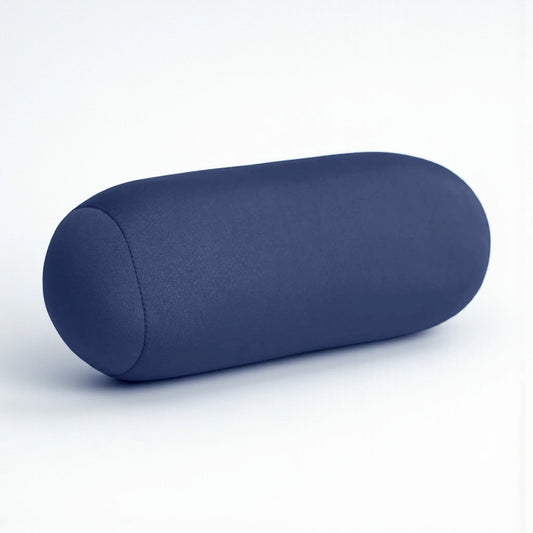
Before you toss anything in the washer, check the care label and identify the filling. Our Travel Fanatics Mini Microbead Pillow, for example, is a microbead pillow that calls for gentle washing and thorough air drying. Full details on that are next.

Our Travel Fanatics Mini Microbead Pillow: What You Can (and Can't) Wash
The Travel Fanatics Mini Microbead Pillow measures 3.5 inches in diameter and 8 inches long, packed with tiny microbeads inside a soft, non-removable cover that is double-stitched to keep beads secure. It works as a travel pillow, lumbar bolster, or general comfort pillow for flights, road trips, and couch sessions.
Can it go in a washing machine? Yes, but only under strict conditions: place it inside a mesh laundry bag, wash it alone (no heavy clothing items), select the most delicate wash cycle, use cold water, and keep spin speed low. Aggressive agitation puts stress on seams, and a single burst seam means beads everywhere.
The preferred routine is simpler: spot clean small stains with a damp cloth and gentle detergent after each trip. For a deeper clean (say, after an 8-hour transatlantic flight where sweat, oils, and dust have accumulated), do a full hand wash or a careful machine wash, then air dry completely before packing it away. If you use the pillow daily at home on your couch or desk chair, a full wash every 4-6 weeks keeps it fresh.
Never cut the cover or try to remove the beads. Avoid machine drying; heat weakens both the fabric and the bead integrity.
How to Tell If Your Neck Pillow Is Machine Washable
The answer depends on materials and manufacturer washing instructions, not pillow shape. Travel neck pillows come in five common fills: memory foam (a dense slab of viscoelastic foam), shredded memory foam, microbeads, inflatable air chambers (PVC or TPU), and polyester fiberfill or down blends.
Check the care tag before washing any pillow. Look for the tub icon (machine wash allowed), a hand-in-water icon (hand wash only), or an X through the tub (do not wash). Temperature dots and cycle indicators tell you whether to use cold water or warm water and whether to select a gentle cycle. If the label is missing or illegible, default to the gentlest method: spot cleaning.
When there is no label, texture gives clues. A dense, springy, contiguous core is solid memory foam; do not machine wash it. A squishy, shifting fill suggests microbeads; treat with caution. A hollow, crinkly feel means inflatable.
If a pillow cover is removable, wash that cover on a gentle cycle with cold water and mild detergent. The insert typically needs spot cleaning or hand washing only. One travel trick: photograph your care label with your phone before a trip so you have the washing instructions available wherever you end up.
Washing a Memory Foam Neck Pillow Safely
Memory foam is a temperature- and pressure-sensitive polyurethane polymer with an open-cell structure that conforms around your neck. That same structure makes it vulnerable: machine agitation tears cell walls, and retained moisture breaks down the polymer over time. Memory foam pillows should not be machine washed or fully submerged.
Instead, use this approach:
-
Remove the pillow cover if there is one.
-
Mix a few drops of mild detergent in lukewarm water.
-
Dip a soft cloth or sponge into the solution. Dab or blot the stained surface; do not soak the foam core. Avoid using too much water.
-
Rinse your cloth in clean water and blot again to remove soap residue.
-
For odor, sprinkle a small amount of baking soda on the cover (not rubbed deep into bare foam). Baking soda absorbs odors when left on the surface for about an hour, then vacuumed off. Some experts discourage applying baking soda directly to exposed foam because residue can trap moisture.
The drying process matters as much as the washing. Press the foam gently with a dry towel; never wring or squeeze it aggressively to prevent damage. Then lay it flat in a well ventilated area for 24-48 hours. Keep it away from heat sources and avoid direct sunlight, which can warp or yellow the foam.
If your memory foam pillow has a removable cover, machine wash that cover on a gentle cycle with cold water, then tumble dry on a low heat setting or air dry. Avoid fabric softeners, which leave residue on fabric and foam alike.
How to Wash Microbead Neck Pillows (By Hand and in the Washer)
Microbead pillows are valued for their lightweight and flexible design. Thousands of tiny polystyrene beads shift and settle around pressure points, making them a popular choice for flights and road trips. That loose fill, however, means the seams do all the structural work.
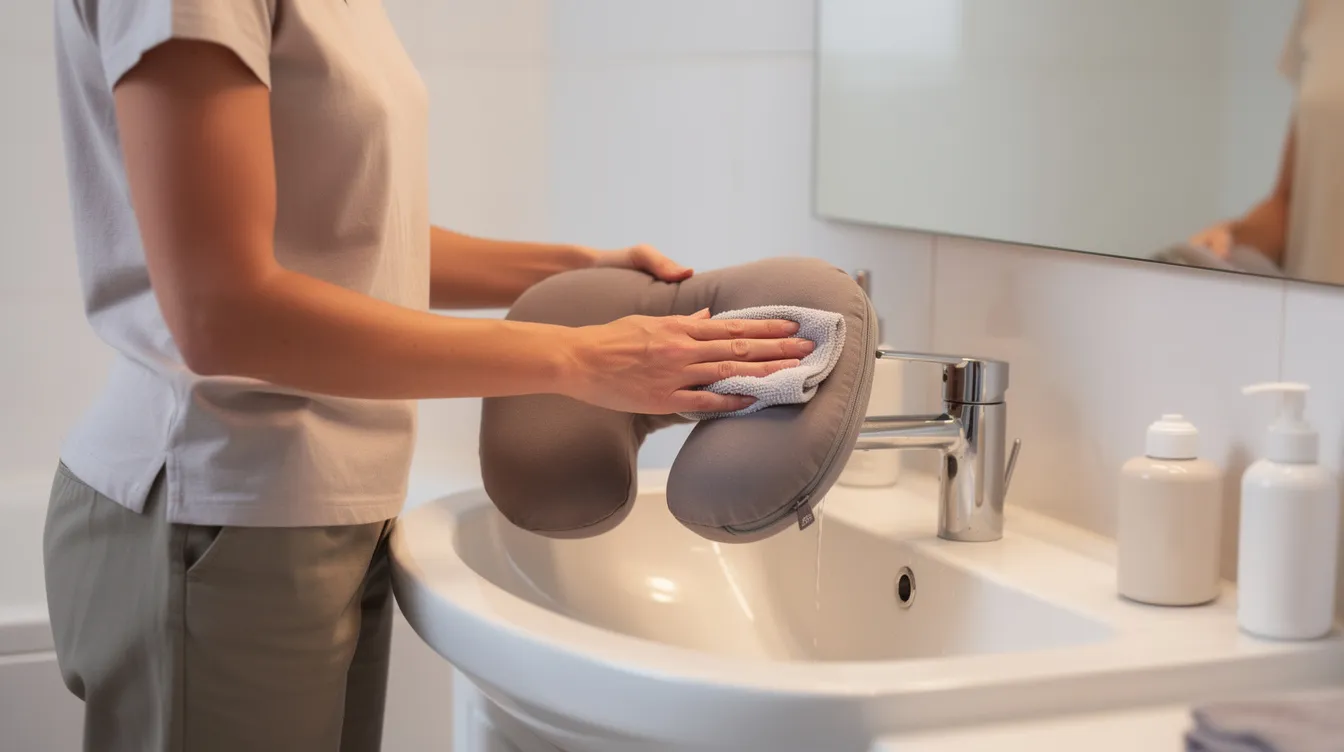
The safest approach is hand washing. Fill a basin with cool water, add a small amount of mild detergent, fully submerge the pillow, and gently squeeze to push water through the beads. Focus on soiled zones. Rinse until the water runs clear and no soap residue remains.
If the care label explicitly allows machine washing, place the pillow in a mesh laundry bag and wash it alone. Select cold water, a gentle cycle, and low or no spin. Microbead pillows should not be machine-washed unless secured in a mesh bag; without one, friction and agitation can pop stitching loose.
For drying, never use high heat or machine drying unless the label specifically says "tumble dry low." Press excess water out with a towel, then lay the pillow flat on a clean surface. Turn it occasionally by gently shaking it until the fill redistributes evenly. Air dry microbead pillows to maintain their shape and integrity; expect about 24 hours in normal humidity.
The Travel Fanatics Mini Microbead Pillow should be treated the same way: mesh laundry bag if machine washed, gentle cycle only, cold water, gentle detergent, and always air dry completely before reuse or storage.
Cleaning Other Common Neck Pillows: Inflatable, Polyester, and Down
Not all neck pillows contain foam or beads. Their washability varies by construction.
Inflatable pillows have PVC or TPU air chambers with valves that trap water if submerged. Never put them in a washing machine. Deflate the pillow, wipe the surface with a cloth dipped in soapy warm water, rinse with a second damp cloth and clean water, then air dry fully before reinflating.
Polyester fiberfill pillows are the easiest to clean. Most pillows in this category tolerate a gentle cycle with cold or warm water and mild detergent. Use a mesh laundry bag to reduce strain on seams. Dry on low heat with dryer balls or clean tennis balls to restore loft; an extra rinse cycle helps flush detergent residue.
Down or down-alternative pillows need extra care. Use a front-loading washer if the label allows machine washing, cool water, and a down-specific or non-alkaline detergent. Dry on a low heat setting with dryer balls; incomplete drying causes clumping and odor. Some high-end neck pillows are labeled "dry clean only." Follow that guidance rather than experimenting; a professional cleaner is worth the cost if it saves the pillow.
Covers made of cotton, polyester, or bamboo fabric are typically designed for frequent machine washing. The filling inside is cleaned less often and less aggressively.
Step-by-Step: Spot Cleaning and Hand Washing for Small Stains
Most neck pillows stay fresh primarily through spot cleaning. A full wash is only needed every few weeks or months, depending on use.
To treat small stains: mix a small amount of mild detergent in cool water, dip a clean soft cloth or sponge, and dab the stained area. Do not saturate the inner foam or beads. Rinse the area by blotting with a second cloth dampened in clean water, then let the dry spot air out. Spot clean neck pillows after each use or major trip to prevent oils and dirt from setting.
For odor without soaking: use a fabric-safe odor neutralizer, lightly mist the pillow cover, or air the pillow near an open window. A light sprinkle of baking soda on a removable cover, left for an hour, then removed by gently shaking works well. If spilled water or sweat has soaked in, blot immediately and air dry before the moisture reaches the core.
For a full hand wash (non-foam fills): submerge in cool water with gentle detergent, squeeze gently to move water through the fill, focus on soiled zones, rinse thoroughly until water runs clear, then press water out with a towel. Aggressive scrubbing, twisting, or wringing can permanently distort memory foam, break microbead seams, or cause lumps in fiberfill. Keep every motion gentle.
Drying Neck Pillows Correctly (Air Dry vs Dryer)
The drying process is just as critical as washing. A pillow that feels dry on the surface can still hold moisture inside, and that trapped moisture breeds mildew within days.
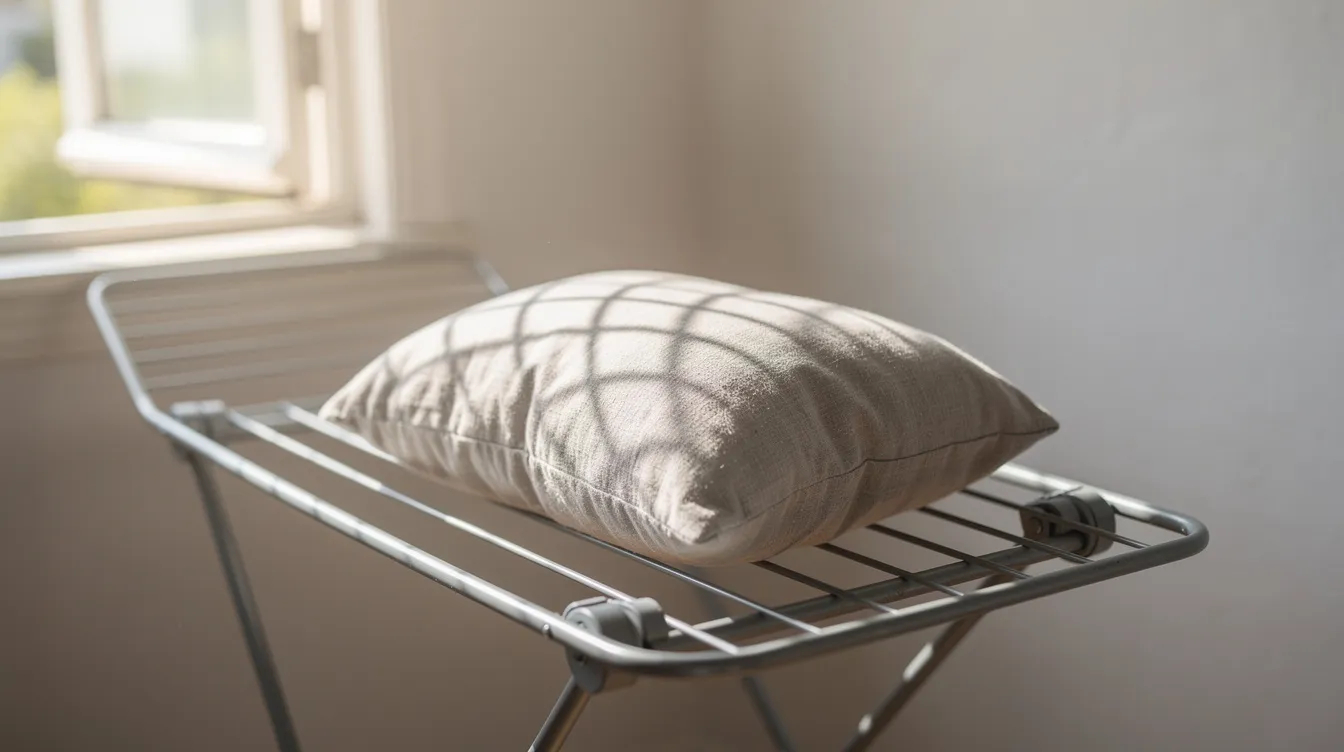
Air dry only: memory foam pillow cores, most microbead pillows (including the Travel Fanatics Mini Microbead Pillow), and inflatable pillows after wiping. Place the pillow on a clean towel or drying rack in a well ventilated area. Flip it every few hours. Avoid direct sunlight and radiators; UV degrades foam, and heat warps both foam and fabric.
Dryer allowed: many polyester and some down or synthetic pillows can be tumble dried on low heat with dryer balls if the care label confirms it. Avoid machine drying for anything with a foam or bead core.
Approximate drying times: memory foam needs 24-48 hours of air drying; microbead pillows need about 24 hours in normal conditions; down or synthetic pillows take 2-3 hours on low heat in a dryer, or up to a full day if air dried in high humidity.
Ensure pillows are completely dry before use or storage. If the core still feels cool or damp, the pillow is not dry. Storing a damp pillow in a bag or closet creates the exact conditions mold needs.
How Often Should You Wash or Replace Your Neck Pillow?
Frequency depends on how often you travel, how much you sweat, and whether you use a washable pillow cover. A removable cover that you machine wash after each trip keeps the inner pillow stays fresh for much longer between deep cleans.
Practical intervals:
-
Memory foam and microbead pillows: deep clean every 2-3 months; spot cleaning between washes to keep the travel pillow clean
-
Polyester and down-alternative pillows: full wash every 4-6 months, or sooner after long trips
-
Inflatable pillows: wipe down after every few uses
-
All types: spot clean after each major trip to remove dust, sweat, and oils
Signs a pillow needs replacing, not rescuing: persistent odor after washing, loss of shape where the foam or fill no longer provides excellent support, torn seams with beads escaping, or discoloration that does not come out. Store pillows in a clean, dry place to avoid mildew between trips.
If you travel monthly or more, consider rotating between two neck pillows so each has time to air out and fully dry between uses. Air out pillows in a shaded area to prevent odors from building up in storage.
Check your care label, choose the gentlest method that works, and prioritize air drying for delicate fills. A pillow maintains its comfort and support for well over a year of regular travel when you follow these steps. On the safe side, treat every unlabeled pillow as "hand wash only" until you confirm otherwise.