
Can You Wash Microbead Pillows? (And How to Keep Them Fresh Safely)
If you've ever pulled a well-used microbead travel pillow out of your carry-on and wondered whether it can handle a proper wash, you're not alone. The short answer: yes, many microbead pillows can be washed, but the method and drying process matter far more than with standard memory foam pillows or polyester-filled alternatives. Get it wrong, and you'll end up with a lumpy, misshapen mess-or worse, tiny beads clogging your washing machine.
Key Takeaways
-
Most microbead pillows can be washed in a washing machine on a gentle cycle with cold water if the care label allows it, but they should never go in a hot machine dryer-microbead pillows can melt under high heat.
-
Many older or cheaper microbead pillows (especially those with thin seams) are spot cleaning only, so always check the care label and stitching quality before a full wash.
-
Air drying is the safest method for microbead pillows. Lay the pillow flat in a well-ventilated area, away from direct sunlight and heat sources, and expect drying time of 12 to 48 hours depending on size and humidity.
-
The Travel Fanatics Mini Microbead Pillow is designed with double-seamed, durable outside fabric that's easy to spot clean and air dry quickly-ideal as a travel pillow for frequent trips.
-
Use a pillow case or removable cover and regular spot cleaning to keep any microbead pillow fresh longer, reducing the need for full washes.
Can You Actually Wash a Microbead Pillow?
Yes, you can wash a microbead pillow-but not every microbead pillow is machine washable. The care label is the final authority. If it says "machine wash," you're good to go with precautions. If it says "spot clean only," or there's no tag at all, treat it as hand washing territory.
Not all microbead pillows are created equal. There's a meaningful difference between full-sized bed pillows filled with micro beads and the compact travel neck pillows that surged in popularity at airports and on Amazon starting in the mid-2010s. Smaller pillows generally handle washing better because their lower mass puts less stress on seams during the wash cycle.
Microbead filling is made of tiny polystyrene beads-essentially ultra-fine expanded polystyrene foam. Unlike memory foam, these beads don't absorb water, but they are sensitive to heat and harsh agitation. That's why washing requires more care than tossing in a standard polyester pillow.
If your pillow has no care label (common on older travel pillows bought before 2016), default to hand wash or spot cleaning. And if there are any rips, loose seams, or thinning fabric, skip the wash entirely-microbeads can leak into the washing machine or escape into waterways, creating an environmental headache.
Our Travel Fanatics Mini Microbead Pillow: Cleaning at a Glance
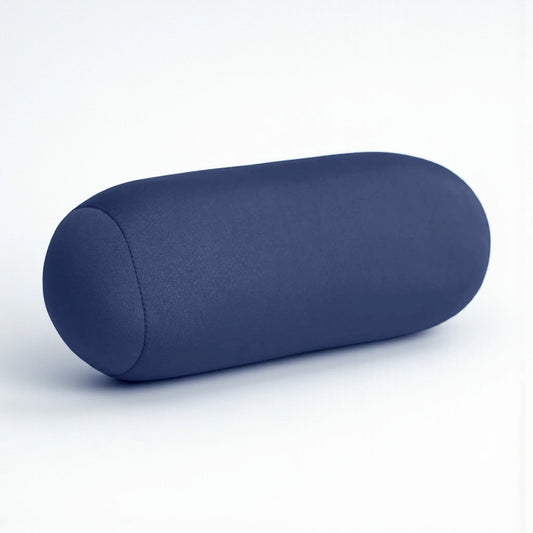
The Travel Fanatics Mini Microbead Pillow is a compact 3.5 × 8-inch support pillow built for flights, road trips, and train rides. It uses premium polystyrene beads inside a double-seamed shell of 88% polyester and 12% spandex, delivering a soft, squishy feel with excellent support for your neck, lumbar, or knees.

Its compact size and reinforced stitching make gentle machine washing in a mesh bag realistic-just use cold water and mild detergent. Because of its mini design, air drying is fast: lay the pillow flat or hang dry in a well-ventilated area, and expect it to feel completely dry in roughly 12–24 hours depending on humidity.
Between deeper washes, simply slip a removable cover or pillow case over it and spot clean after each trip. This keeps the pillow fresh without putting unnecessary stress on the seams.
What Are Microbead Pillows Filled With (and Why It Matters for Washing)?
Microbead pillows typically contain polystyrene foam beads-tiny expanded polystyrene spheres similar to a very fine beanbag filler. They're a synthetic alternative to buckwheat hulls, offering contouring firm support without the weight. You'll also see these pillows marketed under names like "cloud pillow" or "air bead pillow."
Some cheaper travel pillows use slightly larger, harder plastic beads. Both types share the same vulnerability: excessive heat can damage the microbeads in microbead pillows during drying, causing them to warp, fuse, or lose their original shape.
Here's what makes washing tricky: the beads themselves don't absorb water, but moisture gets trapped in the fabric shell and seams. Proper drying is really about getting water out of the fabric, not the filling.
There's also an environmental angle worth noting. Polystyrene beads contribute significantly to municipal solid waste-in 2018, plastics made up 12.2% of municipal solid waste in the US. If a pillow bursts in the wash, those beads can enter waterways and persist for decades. Always inspect stitching and fabric condition before washing. If the pillow inside feels fragile or the shell is already thinning, stick to surface spot cleaning only.
How to Wash a Microbead Pillow in the Washing Machine
Machine wash only if the pillow is labeled as machine washable. If the tag confirms it, follow these steps:
-
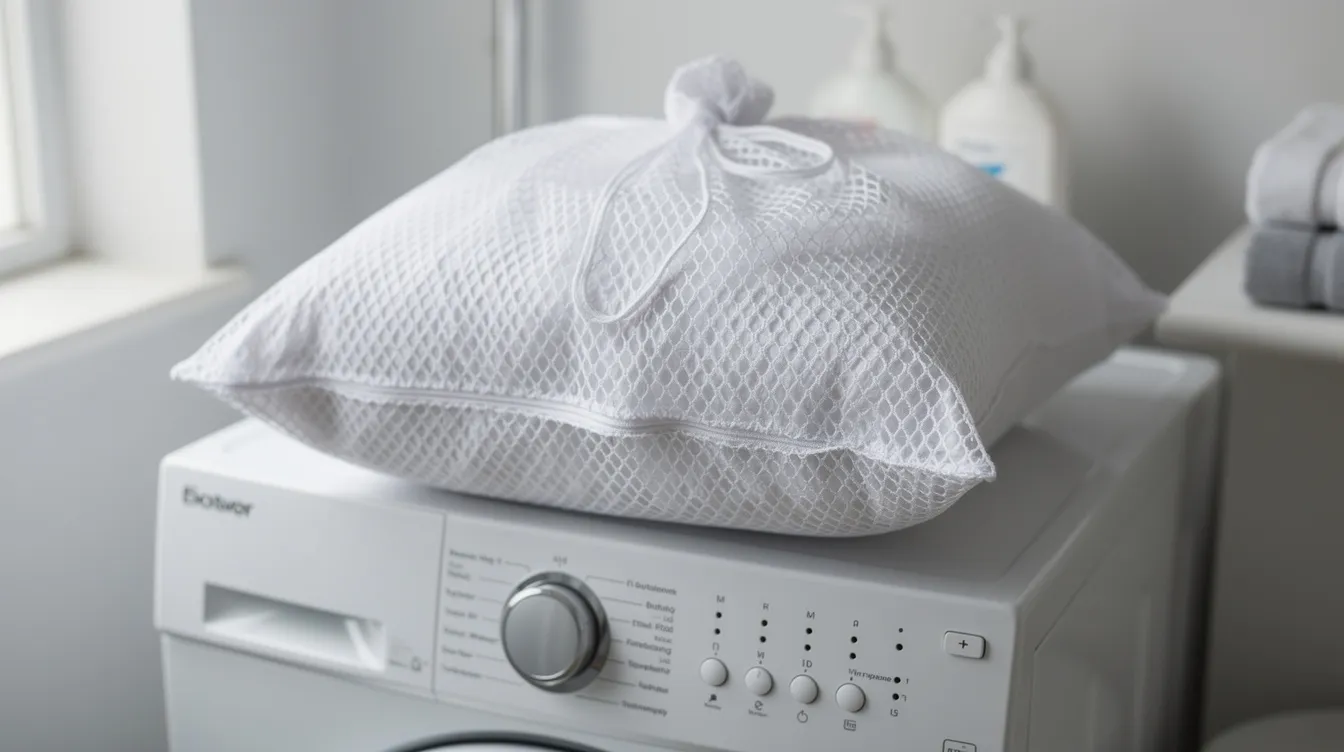
Place the microbead pillow enclosed in a zipped mesh laundry bag to catch any escaped beads and reduce agitation on seams.
-
Wash the pillow alone or only with very light items-never alongside heavy towels or jeans that could crush or tear it.
-
Select a gentle cycle (delicate or hand-wash setting) on the washing machine.
-
Use cold water and a small amount of liquid mild detergent. Avoid bleach or harsh chemicals, and skip fabric softener-it coats the fabric, reduces breathability, and can weaken fibers.
-
Choose a front-loading washer if available. A front-loading washer is preferable for washing microbead pillows because it lacks the central agitator found in older top-loaders, which can stress seams. If a top-loader is your only option, use the gentlest setting.
Machine washing microbead pillows requires placing them in a protective bag. This single step prevents the most common washing disasters.
Hand Washing and Spot Cleaning Microbead Pillows
Hand washing is the best method for microbead pillows labeled "spot clean only," those with non-removable covers, or older neck pillows with no tag at all.
Hand wash steps:
-
Fill a sink or basin with lukewarm water and a small amount of mild detergent.
-
Submerge the pillow and gently press and squeeze the fabric shell-never twist or wring it.
-
Drain the soapy water, refill with clean water, and press the pillow repeatedly until the water runs clear.
-
Use a clean towel to gently press excess water from the pillow.
Spot cleaning steps:
-
Mix a small amount of detergent in water.
-
Dip a clean cloth into the solution and dab stains on the pillow cover, blotting rather than rubbing.
-
Wipe with a damp cloth using plain water to lift residue, then let the area air dry.
Spot cleaning is preferred for minor stains on microbead pillows-it's faster and puts zero stress on seams. For a quick refresh after a flight, antibacterial wipes or a fabric-safe disinfectant cloth work well on the outside fabric, as long as the pillow isn't soaked through.
Drying Microbead Pillows: Why the Machine Dryer Is a Problem
Traditional machine drying is not recommended for microbead pillows. The combination of heat and tumbling can deform polystyrene beads-they're thermoplastic, meaning they soften and warp at elevated temperatures. Microbead pillows can melt under high heat, and even moderate dryer temperatures can cause clumping that ruins the pillow's shape and support.
If you absolutely must use a dryer, select an air-only or low heat setting with no actual heat. But air drying remains the safest method by a wide margin.
How to air dry properly:
-
Lay the pillow on a dry towel and gently press to remove excess water-never twist or wring.
-
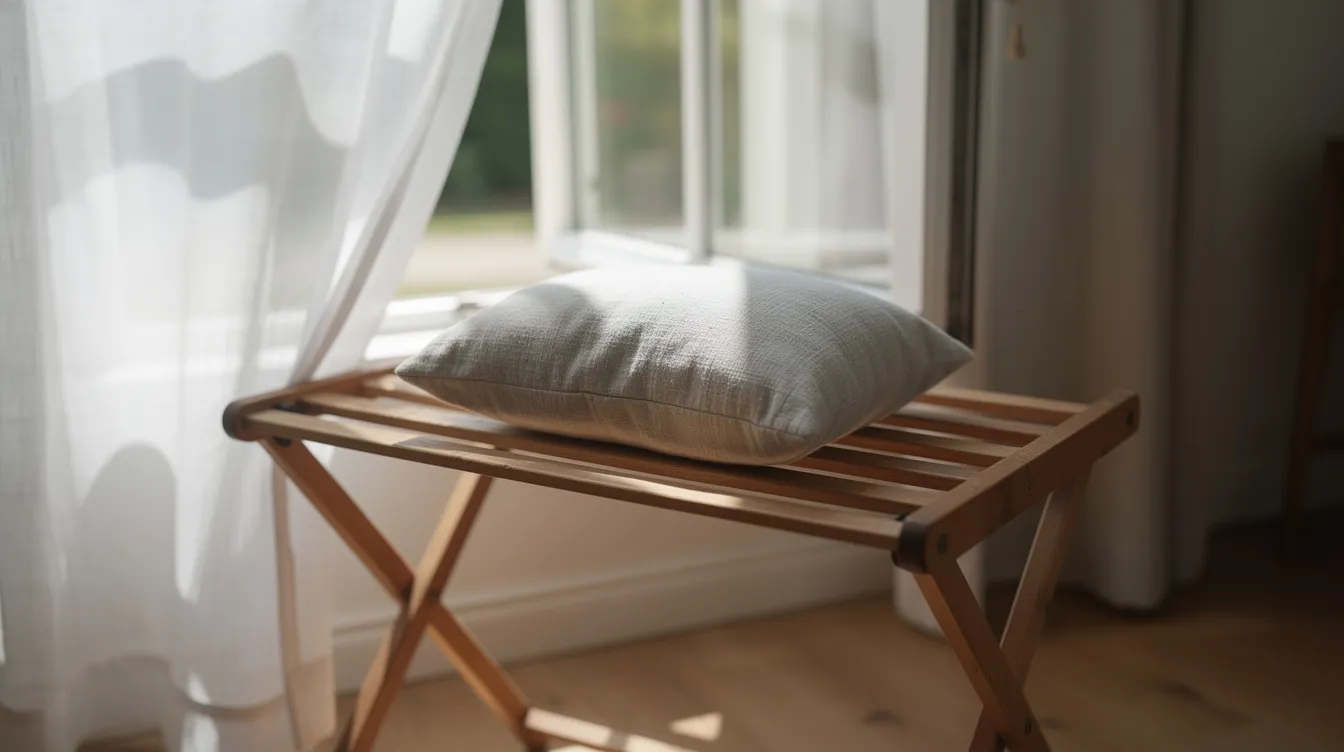
Lay the pillow flat on a drying rack or clean surface in a well-ventilated area.
-
Flip the pillow occasionally so all sides get exposure to moving air.
-
Microbead pillows take 12 to 48 hours to air dry completely, depending on size and humidity. Mini travel pillows tend toward the shorter end.
Avoid leaving the pillow in direct sunlight for extended periods. A short stretch of indirect or early-morning sun is fine, but strong midday sunlight can fade the pillow cover and weaken the fabric over time. The drying process matters as much as the wash itself-proper drying preserves both the microbead filling and the pillow's shape.
Keeping Microbead Pillows Fresh Between Washes
You don't need to wash your microbead pillow after every use. These habits will keep it stay clean and pillow fresh for longer:
-
Use a removable pillow case or cover designed for neck pillows or microbead travel pillow designs. Toss the cover in the washing machine after each trip while the pillow stays protected.
-
Spot clean after long flights or sweaty nights to prevent oils and dirt from penetrating the shell.
-
Store in a breathable bag (cotton or mesh bag) instead of airtight plastic, which traps excess moisture and breeds unpleasant odors.
-
Shake and fluff the pillow occasionally to redistribute polystyrene beads and maintain support, especially for U-shaped neck pillows that tend to settle unevenly.
-
Air it out regularly: place the pillow on a clean surface near an open window for a few hours. Fresh air circulation does wonders for removing stale smells without any detergent.
Common Washing and Drying Mistakes to Avoid
|
Mistake |
Why It's a Problem |
|---|---|
|
Washing in hot water |
Can soften or deform polystyrene beads and weaken fabric |
|
Using bleach or fabric softener |
Degrades shell fibers, reduces breathability |
|
Overloading the machine with heavy items |
Crushes the pillow and risks tearing seams |
|
Twisting or wringing to squeeze water out |
Breaks seams, causes microbead leakage |
|
Storing damp in a closet or suitcase |
Leads to mildew growth and sour, persistent odors |
|
Ignoring the care label |
The number-one cause of microbead pillow failures |
Never assume all travel pillows are machine-safe. Ignoring washing instructions-or skipping the mesh laundry bag step-is how most people end up with tiny beads scattered through their laundry and drain.
When to Replace a Microbead Pillow Instead of Washing It
Sometimes cleaning won't fix the problem. Here are signs it's time for a new pillow:
-
Flat, limp beads: If polystyrene beads have flattened and the pillow no longer provides firm support or relief at pressure points, washing won't restore its loft.
-
Visible bead leakage or torn seams: Once the shell is compromised, further washing will only make it worse.
-
Persistent odors after a full wash and proper drying: This can indicate mold, trapped sweat, or internal contamination that surface cleaning can't reach.
-
Heavy use timeline: Frequent travelers who use a neck pillow on weekly flights should plan to replace heavily used microbead pillows every 1–2 years for hygiene and comfort.
When your current microbead travel pillow has reached the end of its life, consider upgrading to a fresh, compact option like the Travel Fanatics Mini Microbead Pillow-built with double seams and proper care in mind from the start.
FAQ
How often should I wash my microbead pillow?
For a frequently used microbead travel pillow, wash it every 2–3 months, with spot cleaning and pillowcase washing after each trip. If you only use your pillow a few times per year, a full wash or deep spot clean at least once annually-plus airing it out before each new trip-is sufficient to keep it fresh.
Can I use disinfectant spray on a microbead pillow?
Yes, fabric-safe disinfectant sprays can be used lightly on the outside fabric. For delicate covers, spray onto a clean cloth first and then wipe. Always let the travel pillow air dry completely after disinfecting to avoid trapped moisture and chemical odors inside the pillow.
Can I wash microbead pillows with my regular laundry?
It's best to wash microbead pillows alone or only with very light items. Mixing them with heavy clothes or towels increases agitation inside the washing machine, which can crush the pillow and shorten its life by stressing seams.
Are microbead pillows good for people with allergies?
The polystyrene beads themselves are inert and don't usually trigger allergies. However, dust, skin oils, and microbial buildup on the pillow case are common irritants. Allergy-prone users should always use a washable cover and store travel pillows in a clean, dry bag between trips.
How can I remove bad smells from a microbead pillow without rewashing it?
Sprinkle a light layer of baking soda over the pillow, let it sit for 30–60 minutes, then gently shake it off outdoors or vacuum it away. Follow up by placing the pillow near an open window for a few hours in fresh air. This is often enough to neutralize unpleasant odors without a full wash.