
How Often Should You Wash a Travel Pillow?
Your travel pillow goes everywhere with you-through crowded airports, onto sticky airplane seats, and into overstuffed carry-on bags. That kind of life means it gets dirty fast. Here's exactly how often you should wash it and the right way to do it based on what it's made of.
Answering the Question: How Often Should You Wash a Travel Pillow?
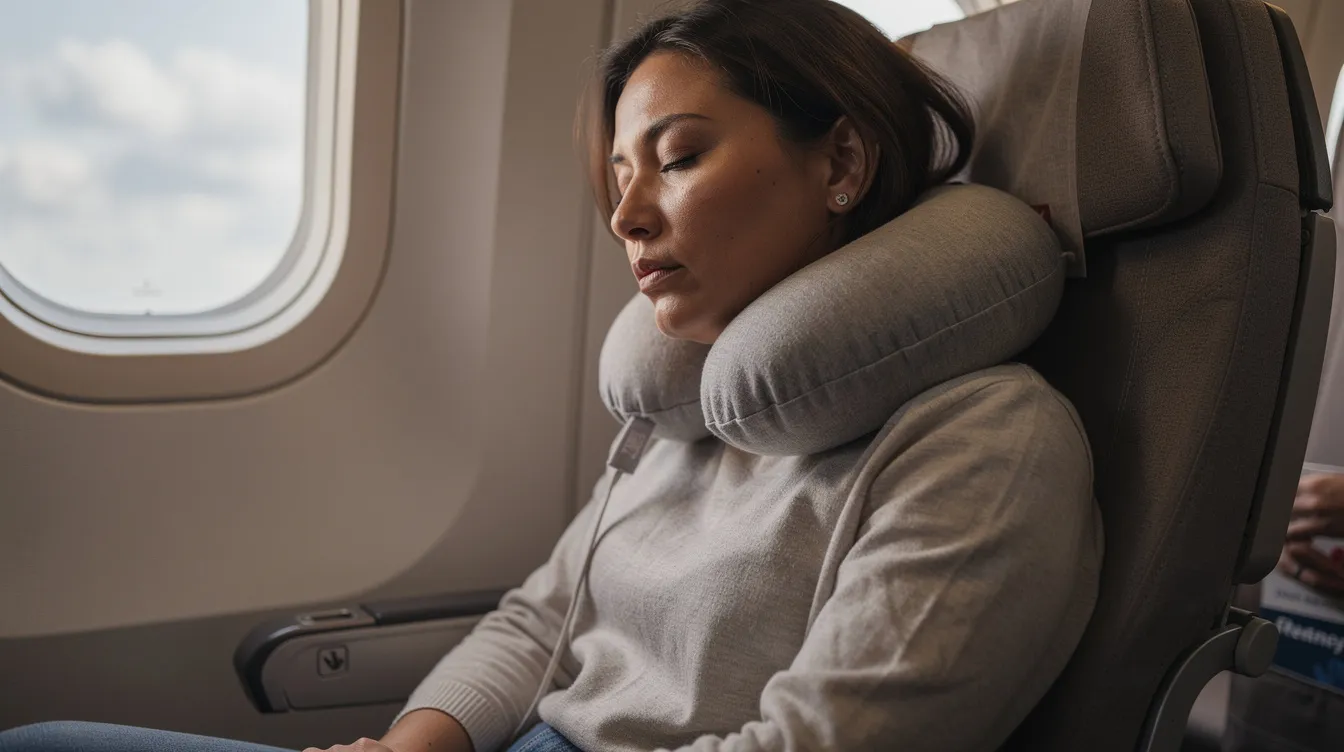
Travel pillows collect sweat, facial oils, dead skin cells, and germs from transit environments far more quickly than your bedding at home. Every time your neck pillow presses against an airplane headrest or sits on an airport bench, it picks up dirt, bacteria, and moisture that you can't always see.
So how often should you wash a travel pillow? The answer depends on whether you're talking about the cover or the entire pillow. You should wash removable covers after every trip. Inner pillow cores should be cleaned every three to six months or as needed, though frequent travelers may need to deep clean more often. Check the care label first for specific cleaning instructions based on materials, since the washing process differs significantly between memory foam, microbead, inflatable, and synthetic fill designs.
Between full washes, spot cleaning with a damp cloth and mild detergent keeps your pillow fresh without wearing out the materials. Think of cover washing as routine maintenance and core cleaning as a deeper service interval-both matter for hygiene, but the cover handles most of the daily exposure to skin oils, hair products, and sweat.
How Often to Wash Different Types of Travel Pillows
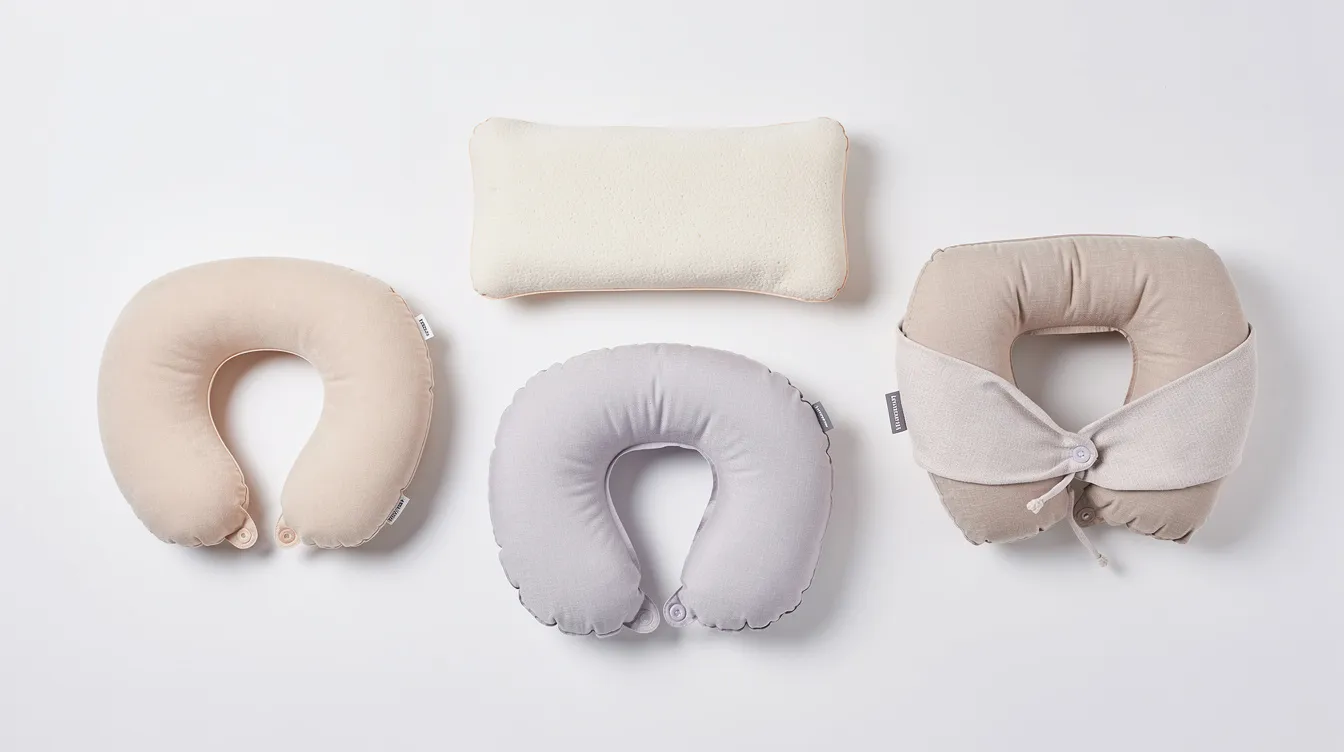
The washing frequency for your travel pillow depends heavily on what it's made from. Each material reacts differently to water, heat, and agitation, so a single schedule doesn't work across the board.
Memory foam pillows account for roughly 60 to 70 percent of the market, and they require the most careful approach. Memory foam pillows should be cleaned every two to three months with regular spot cleaning in between. The pillow cover should come off and go through a wash cycle after each trip. Never submerge memory foam in water or put it in a washing machine-doing so can destroy the foam's structure and support. According to the Sleep Foundation, spot cleaning is the safest method for solid memory foam cores.
Microbead pillows make up around 15 to 20 percent of the market. A microbead pillow should be cleaned every two to three months, or sooner after a particularly sweaty or long-haul trip. Cores made of synthetic down, microbeads, or cotton fill may be machine washable if labeled, but many do best with a gentle hand wash. Always verify the washing instructions on the care label before tossing one into a washing machine.
Inflatable pillows represent about 10 to 15 percent of the market and need a quick clean after every few uses. Because the outer shell is directly exposed to surfaces and skin, surface cleaning with soapy water and occasional disinfection keeps bacteria at bay.
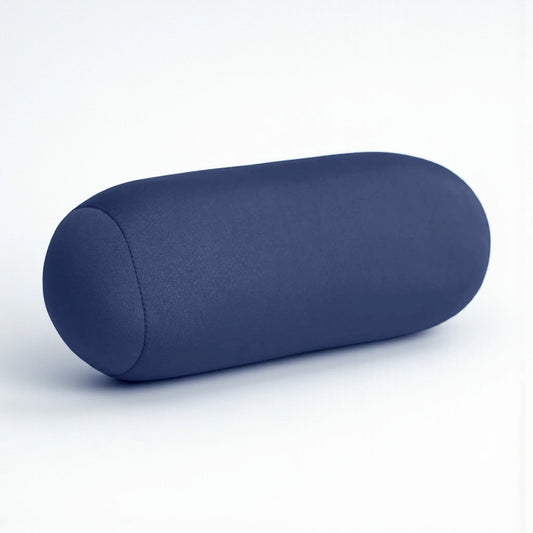
Down-filled pillows account for roughly 5 percent or less of the market. Down-filled pillows require cleaning every six months and need gentle detergent plus thorough drying to maintain loft. Regardless of fill type, washing the pillow cover after every trip is a universal best practice. Designs that feature removable covers, like a compact mini microbead travel pillow, can go a bit longer between core washes as long as that cover stays clean.
What Affects How Often You Should Clean Your Travel Pillow?
There's no single cleaning schedule that works for everyone. Your lifestyle, travel habits, and environment all influence how quickly your travel neck pillow gets dirty.
How often you travel is the biggest factor. Weekly flyers expose their pillow to far more public surfaces, humidity, and body oils than someone who takes a couple of vacations a year. Frequent travelers should air pillows out and spot-clean visible stains after every trip, while occasional travelers can stick closer to quarterly deep cleans.
Climate and temperature play a significant role too. Hot, humid destinations mean more sweat and faster microbial growth inside the pillow. If your trips regularly involve warm cabins or tropical weather, bump up your cleaning frequency. Similarly, oily skin, heavy moisturizers, and hair products transfer to the fabric and accelerate buildup-so your personal hygiene habits directly affect how fast the pillow gets grimy.
Where you store the pillow between trips matters more than most people realize. A pillow clipped openly to the outside of a backpack collects dust, grit, and moisture from the environment. Keeping your pillow clean starts with storing it in a dry bag or protective case between uses. For allergy and asthma sufferers, maintaining a hygienic drying process and washing covers frequently is especially important, since dust mites, mold spores, and allergens accumulate even when the surface looks clean.
Rather than blindly following a fixed calendar, adjust your routine based on these factors. Pay attention to what your pillow is telling you.
Signs Your Travel Pillow Needs Cleaning Right Now
Sometimes your travel pillow needs attention before the next scheduled wash. Knowing the warning signs helps you act before bacteria and allergens become a real problem.
Persistent odors are the most obvious signal. If your pillow smells musty, sour, or damp even after airing it out, that typically means bacteria or fungi have taken hold in the fill or seams-not just the surface. Visible marks, small stains, and makeup streaks on the fabric are another clear indicator. Even without visible stains, the fabric where your face or neck rests can develop a greasy or rough texture from accumulated oils.
Health symptoms tell a story too. Increased sneezing, itchiness, or skin breakouts after using your pillow suggest allergen buildup from dust, mold, or residue. If you notice any respiratory discomfort, it's time for more than just spot cleaning-the core likely needs a full wash.
Some situations call for immediate, thorough cleaning and disinfection: if the pillow falls on an airport restroom floor, contacts bodily fluids, or sits damp inside a sealed bag for any period. Don't wait until the pillow looks obviously filthy. Bacteria and odor-causing microbes build up long before the appearance changes.
How to Wash a Memory Foam Travel Pillow Safely
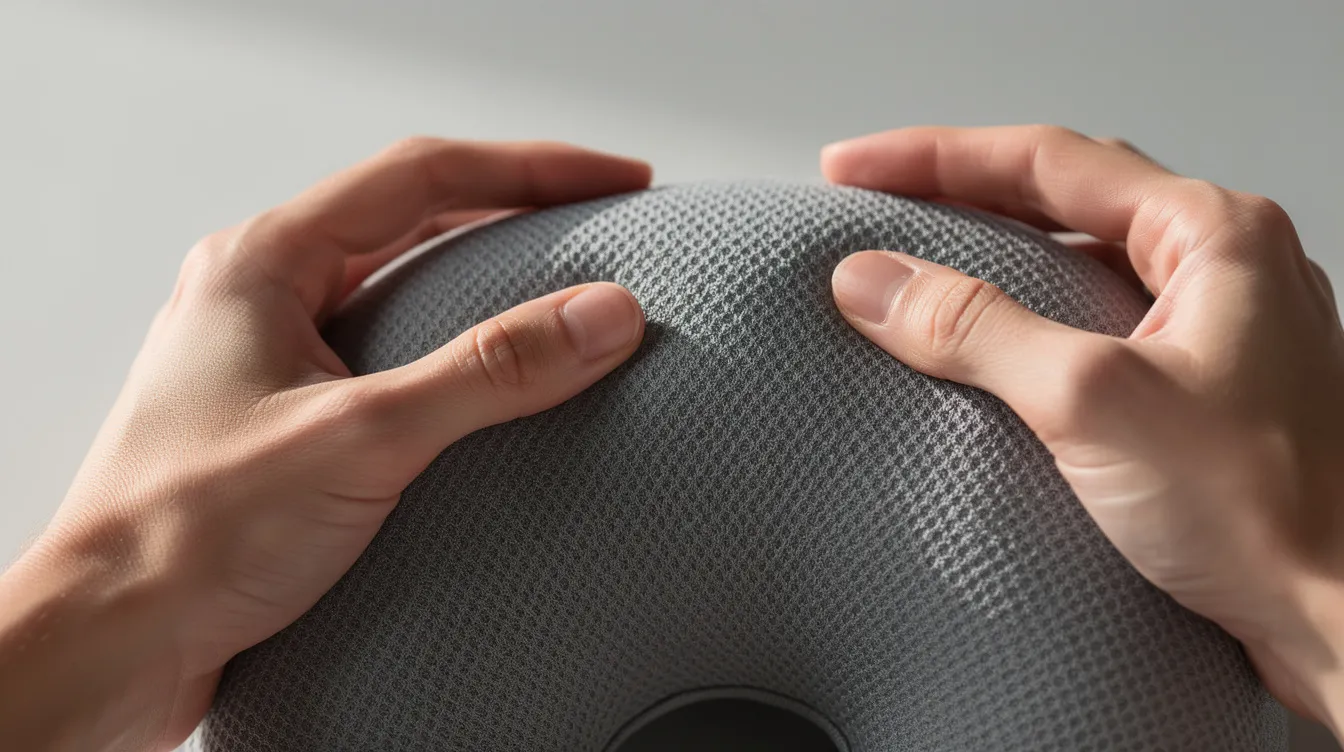
Memory foam offers excellent support as a neck pillow, but its open-cell structure makes it vulnerable to moisture, heat, and agitation. The golden rule: never submerge memory foam in water or put it in a washing machine. That kind of mechanical stress can fragment the foam and destroy its shape.
Start by removing the pillow cover and tossing it through a delicate cycle in cold water with a gentle detergent. For the foam core itself, spot cleaning is the safest approach. Mix a small amount of mild detergent in lukewarm water, dip a soft cloth until it's barely damp-never dripping with too much water-and blot the stain gently, working from the edges inward. Then wipe the area with a second damp cloth dipped in plain water to remove any soap residue. Press a dry towel against the spot to absorb excess water. Avoid scrubbing or wringing, which can tear the foam's pores.
The drying process is critical and often underestimated. Let memory foam air dry completely for 24 to 48 hours after cleaning. Lay the pillow flat in a well ventilated area, flip it periodically, and avoid direct sunlight or heat sources that can warp the material. Never store or use the pillow until the foam core is fully dry, or you risk mildew development and permanent odor. Using a pillow protector beneath the cover extends time between deep cleans and keeps the foam in better condition long-term.
How to Clean Microbead and Inflatable Travel Pillows
Microbead pillows and inflatable pillows are both popular for travel thanks to their compact size, but each demands a different cleaning method.
For a microbead pillow, check the care label to determine if it's safe for a washing machine. Many microbead pillows do best with a gentle hand wash. Fill a basin with cool water and a small amount of gentle detergent, submerge the pillow, and gently squeeze to move soapy water through the beads. Never twist or wring the pillow-doing so risks damaging seams and losing beads. Rinse in cold water until the water runs clear. To dry, roll the pillow in a dry towel and press to remove excess water, then lay it flat in a cool, well ventilated area. Turn it occasionally for even drying. Avoid machine drying, tumble dry settings, or any low heat setting, as heat can melt beads or damage fabric. Let it air dry naturally and confirm it's completely dry before packing.
For inflatable pillows, deflate the pillow completely before cleaning. Wipe the surface with a soft cloth dipped in lukewarm water with mild detergent, paying extra attention to the valve area without letting water enter the internal air paths. Follow up with a clean water wipe to remove residue, then allow all components to air dry completely before storing or re-inflating. Occasional disinfection with a material-safe spray adds another layer of protection.
Both styles benefit enormously from removable covers. Wash removable covers in cold water on a gentle cycle after each trip, and the core will stay cleaner far longer between full washes.
Keeping Your Travel Pillow Clean Between Washes
Simple everyday habits dramatically reduce how often your travel pillow needs a full wash while keeping the pillow stays fresh and hygienic.
Using a removable pillowcase or cover on any travel neck pillow is your first line of defense. Wash that cover immediately after each trip-it captures the majority of skin oils, sweat, and environmental grime. For quick spot cleaning of the pillow itself, dab small stains with a soft cloth and mild detergent mixed in cool water as soon as you notice them. Avoid harsh scrubbing, which can damage outer fabric.
Baking soda can absorb odors from travel pillows effectively. Sprinkle a light layer on the fabric, let it sit for an hour, then remove by gently shaking the pillow and vacuuming the surface. For safe disinfection, lightly mist fabric with a fabric-safe spray or use antibacterial wipes on non-porous parts like inflatable valves-always test in a hidden spot first.
Storage is equally important. Keep your pillow in a clean, dry bag rather than clipped openly to luggage where it collects dust and moisture. Air out travel pillows in a well-ventilated area after trips to prevent moisture buildup. Never pack the pillow away until it has had time to dry completely. Air dry travel pillows to prevent mildew and maintain shape-this single habit prevents most odor and mold issues.
Caring for a Mini Microbead Travel Pillow (and Why Size Matters)
Smaller travel pillows are easier to keep clean and to air dry fully after washing, simply because there's less material to work through. The Travel Fanatics Mini Microbead Travel Pillow is a good example of a compact design that travels well and simplifies the cleaning routine.
When caring for a mini microbead travel pillow, regularly wash the removable cover according to the care label-ideally after each trip in a mesh laundry bag on a gentle cycle. If the brand recommends it, hand wash the microbead interior gently in lukewarm water and allow extra time for beads and fabric to air dry all the way through before repacking. Because compact pillows get pressed against airplane windows and tossed into bags frequently, quick wipe-downs of exposed clothing items and surfaces keep them fresher between washes. The pillow maintains its shape and support longest when you follow washing instructions carefully and ensure complete drying. After cleaning, ensure travel pillows are completely dried before storage to prevent odors-this applies regardless of size, and the compact size of a mini pillow actually makes that drying process faster. A dry spot away from harsh direct sunlight works perfectly for this. Treat it right, and your pillow will be ready for your next adventure every time.
Summary
Keep it simple: wash your travel pillow cover after every trip, deep clean the core every few months based on material and usage, and always let it air dry completely before storing. Memory foam, microbead, inflatable, and filled pillows each have their own ideal washing and drying process, but most pillows benefit from gentle hand washing, consistent spot cleaning, and thorough air drying. Listen to the signs your pillow gives you-odors, stains, irritation-and treat your travel pillow with the same care as your bed pillow. A clean, well-cared-for travel pillow makes every trip more comfortable. Keep your travel pillow clean and comfortable on every trip.