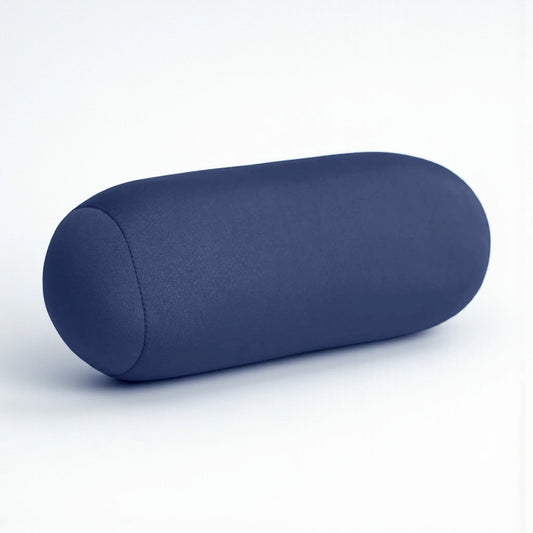

How to Clean a Microbead Pillow Without Washing It
Share
Microbead pillows are soft, supportive, and comfortable, but they need gentle care when it comes to cleaning. If your pillow has a small stain, light odor, or everyday buildup, you may not need to wash the entire pillow.
This guide explains how to clean a microbead pillow without washing it, including safe spot cleaning, deodorizing, freshening, and when it may be time for a full wash.
Can You Clean a Microbead Pillow Without Washing It?
Yes. In many cases, spot cleaning is the best way to clean a microbead pillow without washing the whole thing. This helps remove surface stains, sweat, oils, or small spills without soaking the pillow or risking damage to the filling.
Spot cleaning is especially helpful for travel pillows, mini pillows, round pillows, and support pillows that only need a quick refresh.
Best Method: Spot Clean the Pillow
Spot cleaning is the safest method for small stains and everyday messes.
- Blot the stain first: Use a clean dry cloth to absorb any moisture or residue.
- Mix a gentle solution: Combine cool water with a small amount of mild detergent.
- Dampen a cloth: Do not soak the pillow. Use only a lightly damp cloth.
- Blot the area: Gently press the stained spot. Avoid scrubbing hard.
- Remove soap residue: Use a second damp cloth with plain water to blot again.
- Air dry completely: Let the area dry fully before using or storing the pillow.
How to Remove Odors From a Microbead Pillow
If your pillow smells musty, sweaty, or stale, try deodorizing it before washing.
- Place the pillow in a well-ventilated area
- Let it air out for several hours
- Use a fan for better airflow
- Keep it away from damp areas
- Make sure it is fully dry before storing
If odor remains after airing it out and spot cleaning, the pillow may need a gentle full wash.
What Not to Use on a Microbead Pillow
Microbead pillows should be cleaned gently. Avoid harsh products or methods that can damage the fabric, seams, or filling.
- Do not use bleach
- Do not use harsh stain removers
- Do not scrub aggressively
- Do not soak unless a full wash is needed
- Do not use dryer heat
- Do not store while damp
How to Keep a Microbead Pillow Fresh Between Washes
Regular care can help keep your pillow cleaner for longer.
- Use a pillowcase or removable cover when possible
- Spot clean stains as soon as they happen
- Air out the pillow after travel
- Keep it dry before packing or storing
- Avoid using it with wet hair, damp towels, or lotions that transfer easily
- Store it in a clean, dry place
When Spot Cleaning Is Not Enough
Spot cleaning works well for small stains, but it may not be enough if the pillow has deep odors, large spills, heavy buildup, or has not been cleaned in a long time.
In that case, check the care label first. If washing is allowed, use cool water, mild detergent, and a gentle method. For extra protection during machine washing, place the pillow inside a mesh laundry bag or enclosed pillowcase to help reduce agitation.
For full washing instructions, read: How To Wash a Microbead Pillow.
Can You Machine Wash a Microbead Pillow?
Some microbead pillows may allow gentle machine washing, but you should always check the care label first. If machine washing is allowed, use cold water, mild detergent, and the most delicate cycle available.
Do not wash with heavy clothing, towels, or other bulky items. These can create too much agitation and stress the seams.
Can You Put a Microbead Pillow in the Dryer?
No. Dryer heat is not recommended for microbead pillows. Heat and tumbling can damage the pillow, affect the filling, or weaken the seams.
After cleaning, always let the pillow air dry completely before using or storing it.
For drying instructions, read: How to Dry a Microbead Pillow.
Recommended Microbead Pillow Care Products
A few simple products can make pillow care easier.
- Mesh Laundry Bag: Helps protect pillows and delicate items during washing
- Mini Microbead Pillow: A compact support pillow for travel and everyday comfort
- 7x12 Microbead Support Pillow: A soft support pillow for travel, neck support, or lounging
- Round Microbead Pillow: A flexible round pillow for soft support at home or on the go
FAQ: Cleaning a Microbead Pillow Without Washing
Can I clean a microbead pillow without washing the whole thing?
Yes. Spot cleaning is the best method for small stains, surface dirt, and light odor.
What should I use to spot clean a microbead pillow?
Use cool water, mild detergent, and a clean cloth. Blot gently instead of scrubbing.
Can I use baking soda on a microbead pillow?
It is better to start with airing out and spot cleaning. If you use baking soda, keep it light, avoid getting it wet, and remove it completely before using the pillow again.
How do I get rid of odors?
Air the pillow out in a well-ventilated area and spot clean any areas with buildup. If odor remains, the pillow may need a full wash.
Can I dry clean a microbead pillow?
Check the care label first. Many specialty pillows are not ideal for dry cleaning unless the manufacturer specifically allows it.
How often should I clean a microbead pillow?
Spot clean as needed. Wash only when necessary and only if the care label allows it.
Final Thoughts
The best way to clean a microbead pillow without washing it is to spot clean gently, remove soap residue, and let the pillow air dry completely.
For small stains, odors, and everyday buildup, this method helps keep your pillow fresh without soaking the entire pillow. When deeper cleaning is needed, protect the pillow with a mesh laundry bag and always follow the care label.