
How to Clean a Neck Pillow (Without Ruining the Filling)
A dirty neck pillow collects sweat, oils, dust, and bacteria with every flight and road trip. Cleaning it the wrong way, though, can destroy the filling in a single wash cycle. This guide walks through the right method for every pillow type, from memory foam to microbeads to inflatables, so your pillow stays fresh and keeps its shape for years.
Key Takeaways
-
Most neck pillows, and any memory foam pillow in particular, should never be fully machine washed or machine dried. Memory foam pillows lose up to 60% of their longevity after just one standard wash cycle.
-
Removable covers and outer sleeves are usually safe for a normal wash cycle with cold water, while a memory foam core and microbead pillow need gentler hand washing and careful air dry.
-
Quick maintenance (using a pillowcase, doing a spot clean, sprinkling baking soda for deodorizing) reduces the need for a full deep clean.
-
If a neck pillow gets soaked with spilled water, sweat, or rain, the drying process can take 24 to 48 hours and must happen away from heat sources.
-
Regular cleaning extends the lifespan of neck pillows and helps remove dust, dander, and oils that accumulate over time.
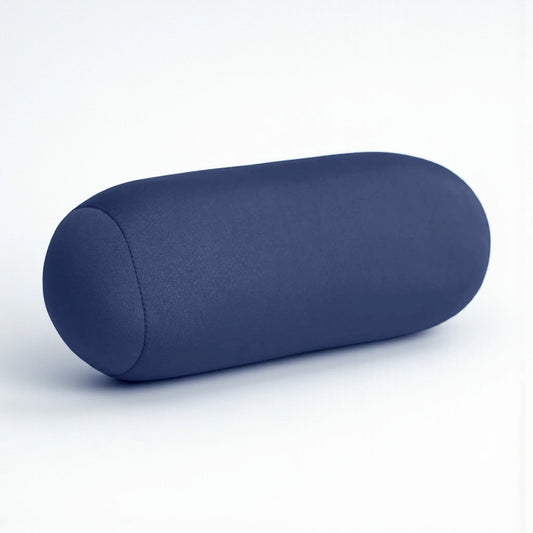
Meet the Travel Fanatics Mini Microbead Pillow
The Travel Fanatics Mini Microbead Pillow is a compact travel pillow built for carry-on bags and long-haul flights. Its polystyrene beads shift to conform around your neck, offering excellent support without the weight of solid foam.
Every cleaning step in this guide applies to microbead pillows in general, with specific notes for this pillow where they matter. Microbead pillows are lightweight and flexible, but washing them requires care to prevent damage to seams and avoid bead leakage. The safest approach: gentle hand washing or protected machine washing inside a mesh laundry bag, followed by thorough air dry.

Understand Your Neck Pillow Type Before Washing
Identifying what your pillow is filled with determines everything about how you clean it. The wrong method for the wrong material means a ruined pillow.
Here are the common neck pillow types:
-
Memory foam (solid or shredded): accounts for 60 to 70% of the travel pillow market. Usually comes with a removable cover. The foam itself cannot tolerate machine agitation or heat.
-
Microbead: represents about 15 to 20% of the market. Filled with polystyrene beads inside a nylon or polyester shell. Tolerates gentle washing but seams are vulnerable.
-
Inflatable (PVC or TPU): makes up about 10 to 15% of the market. Clean the surface only; never submerge the valve.
-
Down or feather: accounts for roughly 5% or less. Clumps when wet; needs loft restored through tumble dry with dryer balls.
-
Synthetic fiber fill: polyester blends that tolerate machine wash and gentle dry better than other fill types.
Always check the manufacturer's care label for cleaning instructions. Tags and product pages list specific washing and drying limits for your exact pillow.
Daily Care: How to Keep Your Neck Pillow Clean Between Washes
Prevention and light maintenance are safer and easier than a full deep clean. A few simple steps after each trip keep your pillow hygienic without risking the filling.
-
Use a washable pillow cover. A dedicated pillowcase or removable cover catches sweat, skin oils, and hair products before they reach the core. Wash removable covers on a gentle cycle with cold water every one to two weeks during frequent use. Covers should be washed regularly, especially after back-to-back trips.
-
Spot clean after travel. Dampen a soft cloth with a small amount of mild detergent mixed into lukewarm water. Gently blot any visible dirt or stains on the fabric surface. Rinse the cloth and gently wipe away soap residue. This works for both memory foam and microbead pillows without full immersion.
-
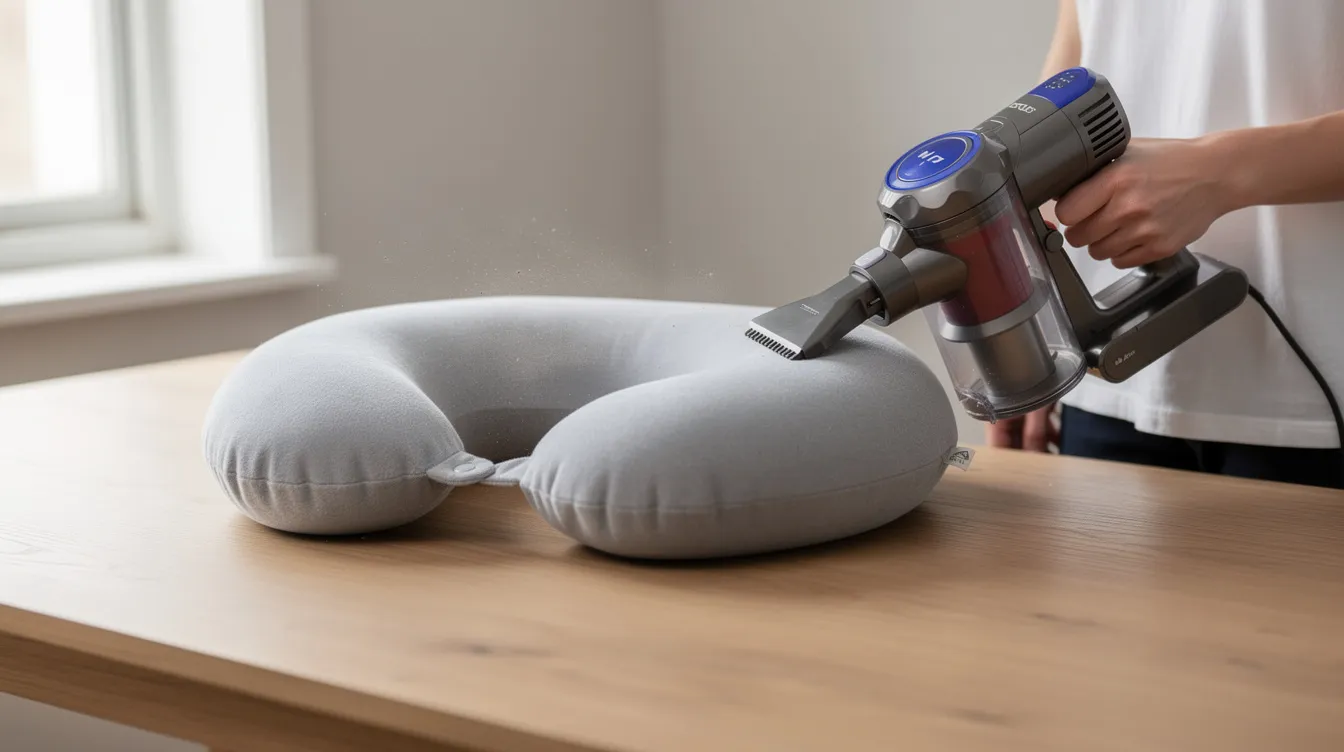
Deodorize with baking soda. Sprinkle a thin layer of baking soda over the fabric shell, wait 15 to 30 minutes, then vacuum it off with an upholstery attachment. Avoid driving baking soda deep into an exposed memory foam core.
-
Store properly. Keep the pillow in a breathable bag in a clean, dry place. Store neck pillows clean and dry to prevent odors and mildew. Damp closets and direct sunlight both degrade foam and fabric over time.
-
Air it out. Place the pillow on a chair near an open window for several minutes to a few hours after trips. This reduces moisture buildup and musty smells.
Cleaning reduces allergens, odors, and bacteria buildup, so even light maintenance makes a measurable difference.
How to Clean a Memory Foam Neck Pillow Safely
Memory foam neck pillows and their memory foam core provide contouring support, but the open-cell structure breaks down under excessive agitation and heat. Memory foam pillows should not be machine washed. According to the Sleep Foundation, machine washing and tumble drying fracture foam cells and reduce pillow lifespan.
Only the removable cover is suitable for a normal machine wash. The foam itself needs one of two approaches:
Spot cleaning (for minor stains):
-
Mix a few drops of mild liquid soap in lukewarm water.
-
Dampen a damp cloth in the solution.
-
Gently blot the stained area; do not rub.
-
Wipe away soap with a second clean, damp cloth.
-
Let the surface air dry completely before replacing the cover.
Deep clean (for heavy soiling):
-
Fill a basin with cool water and a small amount of gentle detergent (about one tablespoon per gallon).
-
Submerge the foam briefly. Gently compress it to push water through; never twist or wring.
-
Rinse in cool water until no soap residue remains.
-
Press the foam with a clean towel to remove excess water.
-
Lay flat on a ventilated rack. Air dry memory foam in a well-ventilated area away from sunlight. Flip periodically. This takes 24 to 48 hours.
Avoid bleach, fabric softener, machine drying, and excessive agitation. Avoid compressing memory foam excessively for long periods during drying or storage, as the pillow's shape may not recover. Memory foam pillows lose 60% of their longevity after one standard wash cycle, so deep clean only when surface maintenance is not enough.
How to Wash Microbead Pillows and the Travel Fanatics Mini Microbead Pillow
Microbead pillows are popular for flights and road trips because they're light, moldable, and faster to air dry than solid foam. The Travel Fanatics Mini Microbead Pillow dries quicker than full-size options due to its compact size, but the shell fabric still needs protection during washing.
Hand washing (safest method):
-
Fill a sink or tub with cool water and a small amount of mild detergent.
-
Submerge the microbead pillow and gently massage the fabric for several minutes.
-
Avoid bending or twisting seams; water weight stresses stitching.
-
Rinse thoroughly with cool water until the water runs clear.
-
Press gently with a towel to remove surface moisture. Do not wring.
Machine washing (if the care label allows): Place the microbead pillow inside a zippered mesh laundry bag to prevent damage. Wash alone on a gentle cycle with cold water and mild detergent. Avoid using too much water pressure or excessive agitation. Microbead and polyester-filled pillows can be machine washed on a gentle cycle when protected this way.
Drying: Always air dry flat on a clean towel or drying rack. Reshape the pillow and turn it occasionally so beads redistribute and moisture escapes evenly. Air dry microbead pillows to maintain their shape and integrity. The Travel Fanatics Mini Microbead Pillow should never go in a tumble dryer. Let it air dry completely, often 12 to 24 hours, before packing it in a suitcase or carry-on. Microbead pillows should be air dried completely before use or storage.
Cleaning Other Neck Pillow Types (Inflatable, Down, and Synthetic)
Many travelers own more than one pillow style, so here is a quick reference for non-foam, non-microbead options.
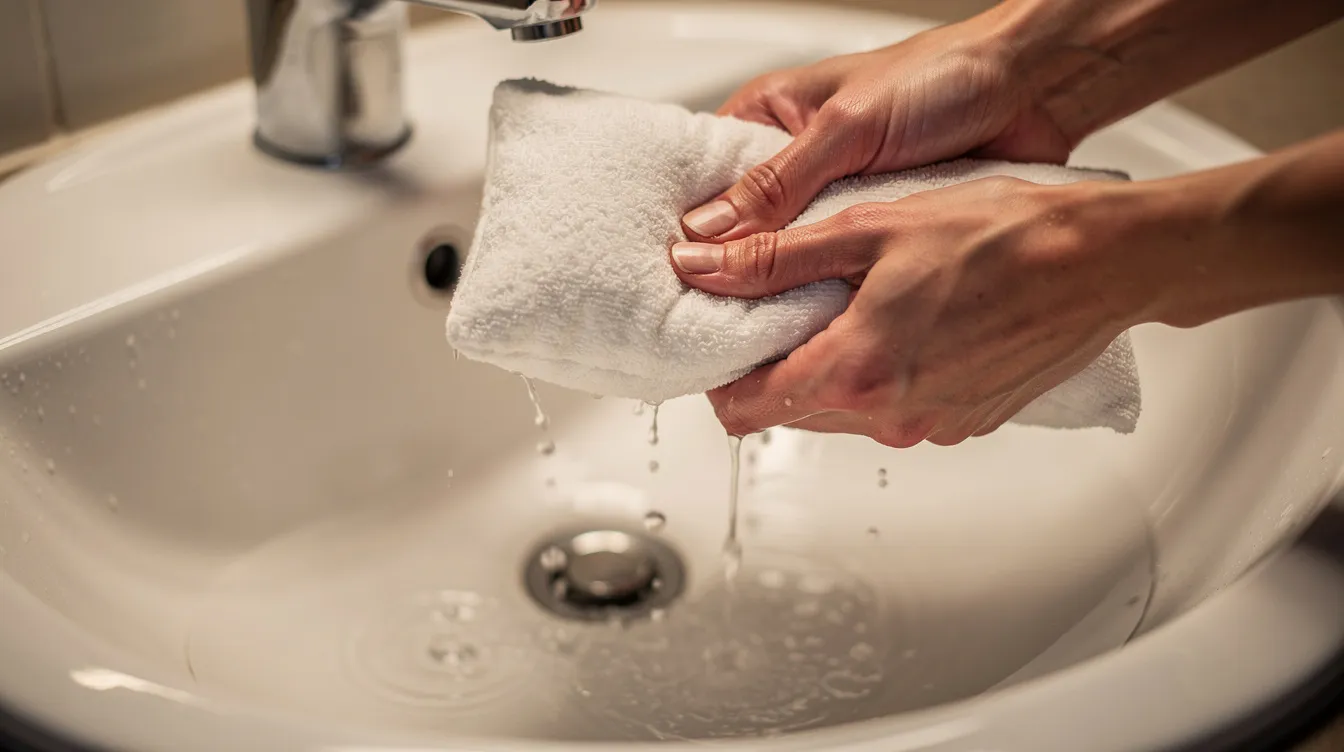
Inflatable neck pillows: Fully deflate the pillow. Dip a soft cloth in mild soap and water, then gently wipe the surface. Avoid submerging the valve. Rinse using a clean damp cloth. Air dry thoroughly before refilling with air or storing.
Down or feather travel pillows: Use gentle hand washing or a front-loading machine on a cool setting with down-specific detergent. Tumble dry on low heat with dryer balls to prevent clumps. These pillows often need multiple drying cycles to dry completely.
Synthetic fiber-filled neck pillows: Many are machine washable. Wash with mild detergent on a gentle cycle, spin well to remove water, then either air dry or tumble dry on low heat according to the label. Removable covers can often be machine-washed on a gentle cycle separately.
Before washing any filled pillow, inspect seams and zippers. A weak seam means filling escapes into the washer or sink.
How to Deal With Spills, Odors, and When a Deep Clean Is Necessary
Accidents like spilled water, coffee, or sweat buildup are the main reasons a neck pillow needs a true deep clean instead of spot cleaning alone.
Immediate spill response: Gently blot the area with absorbent towels. Never rub; rubbing pushes moisture deeper into the fill. Move the pillow to a dry, well ventilated area and monitor for lingering damp patches.
Targeted deep clean: For a memory foam core that should not be fully saturated, clean only the affected area. Apply mild soap mixed with cool water using a damp cloth, then rinse by blotting with a fresh cloth. Lightly mist the surface rather than soaking it.
Odor removal strategies:
-
Apply baking soda on fabric shells (not directly on soaked foam), wait 30 minutes, vacuum off.
-
Air the pillow outside in shade. Avoid direct sunlight when drying pillows to prevent damage to foam and fabric.
-
Wash removable covers more frequently than the core. Use a fan to speed up the drying process. Hang drying pillows in a well ventilated area allows airflow for thorough drying.
Cleaning frequency: Spot clean travel pillows with mild detergent after each use. Wash the cover every one to two months with regular use. Deep clean the pillow itself every three to six months, or sooner after visible staining or strong odors.
When to replace instead of clean: Persistent sour smell after 48 hours of air dry, a collapsed memory foam core that no longer returns to its pillow's shape, or leaking microbeads all signal that the pillow maintains its usefulness no longer. Foam pillows typically last two to three years with good condition maintenance; gently shaking the pillow and checking for firmness is a quick test.
FAQ
Can I put my neck pillow in a washing machine?
Only some neck pillows are safe for a machine wash. Many synthetic-filled and some microbead pillows can go in on a gentle cycle inside a mesh laundry bag, but memory foam and most inflatable pillows cannot. Always read the care label first. When a machine wash is allowed, use cold water and mild detergent. Removable covers are generally machine washable even when the inner pillow is not.
Is it safe to put a neck pillow in the dryer?
A memory foam pillow and most microbead pillows should never go in a tumble dryer. Heat and tumbling deform foam cells and can melt or warp polystyrene beads. Some down-filled and synthetic fiber pillows can be tumble dried on low heat with dryer balls, but only if the label explicitly allows machine drying. Air dry is the safest default for any travel pillow, especially after a deep clean.
How long does it take a neck pillow to air dry?
Memory foam can take 24 to 48 hours to become fully dry. Microbead pillows often dry in 12 to 24 hours if only moderately wet. Drying time depends on room temperature, humidity, and saturation level. Wait until the pillow feels completely dry inside and out before packing or using it to prevent mildew.
Can I disinfect a neck pillow without washing it?
Use fabric-safe disinfectant sprays or antibacterial wipes on fabric covers, being careful not to soak the filling. For memory foam and microbead cores, lightly mist or gently wipe the fabric shell rather than saturating the interior. Allow plenty of time to air dry after disinfecting, ideally in a well ventilated area so residues and moisture can evaporate. This keeps your pillow fresh without the risks of full washing.
How do I keep my neck pillow fresh when traveling frequently?
Use a dedicated washable cover plus a travel storage bag to shield the pillow from airport seats, overhead bins, and car floors. Spot clean and air the pillow after every trip. Wash covers promptly if you have traveled in hot or humid conditions. A small bottle of mild soap and a microfiber cloth in your luggage lets you do a quick clean of the Travel Fanatics Mini Microbead Pillow or any other travel pillow on the road.