
How to Clean a Travel Pillow (Without Ruining It)
The method for cleaning a travel pillow depends on its filling material. Get it wrong, and you lose support, shape, or the pillow itself. Here is how to clean each type correctly.
Quick Start: The Fastest Way to Clean Your Travel Pillow After a Trip
You just landed, your pillow smells like recycled cabin air, and you want it clean before your next trip. These steps cover the most common types in under five minutes of active work.
-
Memory foam neck pillow: Remove the cover and machine wash it in cold water on a gentle cycle with mild detergent. Spot clean the foam core with a damp cloth. Air dry both pieces.
-
Microbead pillow: Place inside a mesh laundry bag. Machine wash on a delicate cycle with cold water, or hand wash in lukewarm water. Air dry flat.
-
Inflatable pillow: Fully deflate. Wipe outer surfaces with a soft cloth and mild soap. Rinse with a clean damp cloth. Air dry completely before reinflating.
-
Synthetic fiberfill pillow: Synthetic or polyester fiberfill pillows can be machine washed on a gentle cycle. Use mild detergent, cool water, and tumble dry on a low setting with dryer balls.
Always check the care label before washing a travel pillow. Remove any outer covers to wash separately according to the care instructions printed on the tag.
A reliable rule of thumb: if it is memory foam or microbead and does not clearly say "machine washable," stick to spot cleaning and air dry only.
The Travel Fanatics Mini Microbead Pillow handles gentle machine washing inside a mesh laundry bag on cold, delicate cycle, followed by air drying. More on that next.
For deeper, material-specific instructions, keep reading below.
Meet the Travel Fanatics Mini Microbead Pillow (and How to Care for It)
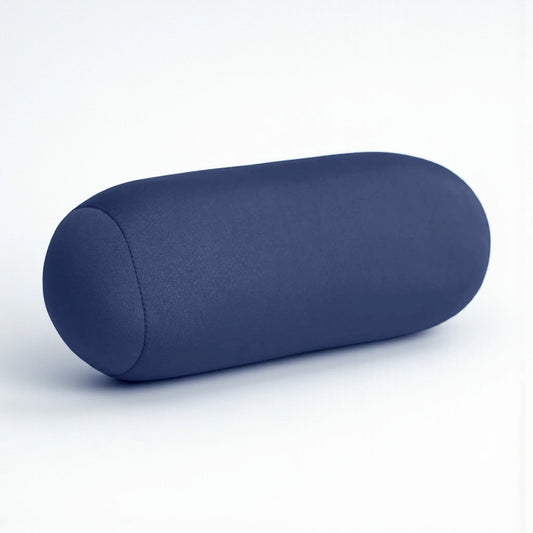
The Travel Fanatics Mini Microbead Pillow is a compact 3.5" × 8" cylindrical bolster filled with polystyrene microbeads. Its soft, stretchy polyester-spandex cover makes it moldable for neck, lower back, knee, or wrist support on flights, car rides, and at home. It retails for $17.99.
-
The cover is non-removable and double-stitched to keep beads secure. Correct washing technique is critical; a burst seam means microbeads everywhere.
Hand wash method: Submerge in lukewarm water with a pea-sized amount of mild detergent. Gently massage the surface for 30 seconds. Rinse by wiping with a clean damp cloth until no soap residue remains.
Machine wash method: Place the pillow in a mesh laundry bag. Wash alone on a cold, delicate wash cycle with low spin. Use a small amount of gentle detergent.
Drying process: Press excess water out with a dry towel. Then air dry flat in a well-ventilated area. Avoid direct sunlight and heat sources. Microbead pillows should be air dried to maintain shape; the compact size of this pillow means drying time often falls between 12 and 24 hours.
|
Do |
Don't |
|---|---|
|
Use a mesh laundry bag |
Wash without a protective bag |
|
Wash in cold water, delicate cycle |
Use hot water or normal cycle |
|
Air dry flat, reshaping periodically |
Machine dry or place near heaters |
|
Use mild detergent, small amount |
Use bleach or harsh laundry detergent |

Understanding Different Travel Pillow Types (and Why Cleaning Rules Differ)
Travel neck pillows are built from materials that react differently to water, heat, and detergent. Washing a memory foam core the same way you wash a synthetic fiberfill pillow will destroy one of them.
The main categories and their approximate market shares:
-
Memory foam pillows account for 60-70% of the market. They require spot cleaning, not machine washing; agitation collapses foam cells and kills rebound.
-
Microbead pillows make up around 15-20% of the market. They tolerate gentle hand or machine washing but melt or deform under heat.
-
Inflatable pillows represent about 10-15% of the market. They need wipe-down cleaning only; submerging damages valves and bladder seals.
-
Down-filled pillows account for roughly 5% or less of the market. They wash on delicate cycles but clump badly if dried incorrectly.
-
Synthetic fiberfill pillows are the most forgiving; most pillows in this category handle machine washing on gentle cycle.
Look for these terms on the care label: "machine wash," "hand wash only," "do not bleach," "do not tumble dry," "dry clean." The washing instructions printed on the tag override any general advice.
How to Clean Memory Foam Travel Neck Pillows Safely
Memory foam pillows dominate the travel neck pillow market, yet they are the easiest to ruin. Memory foam pillows can degrade from improper cleaning methods; the viscoelastic cells collapse under mechanical agitation and heat, and the pillow loses its ability to provide excellent support.
Routine maintenance (every trip):
-
Remove the pillow cover and machine wash it in cold water on a gentle cycle with a mild detergent.
-
Vacuum the memory foam core using a soft brush attachment to clear dust, skin cells, and dirt.
-
Air the foam out near an open window for a few hours.
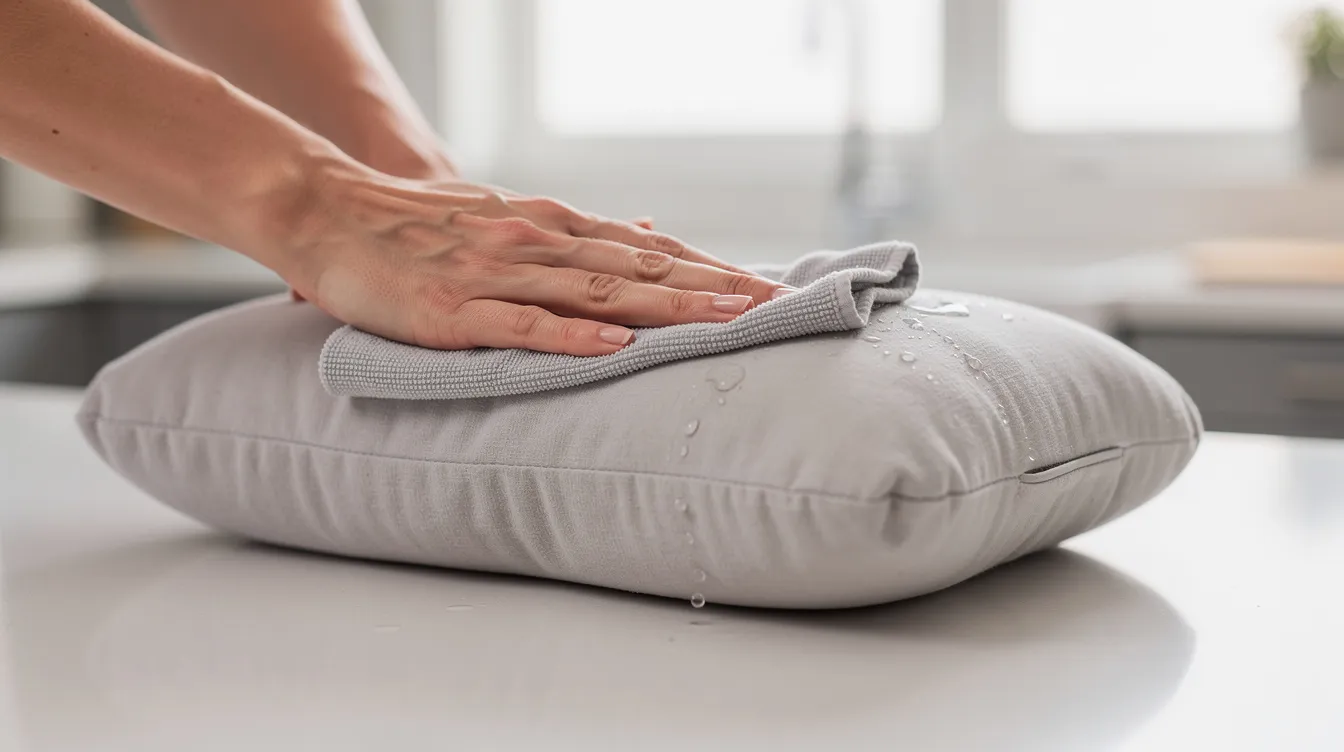
Spot cleaning the memory foam core: Mix a few drops of mild soap into cool or lukewarm water. Dip a damp cloth or microfiber towel into the solution, wring it out, and blot small stains or tougher spots. Do not scrub, soak, or use too much water. Memory foam pillows should be spot-cleaned with a damp cloth, not submerged.
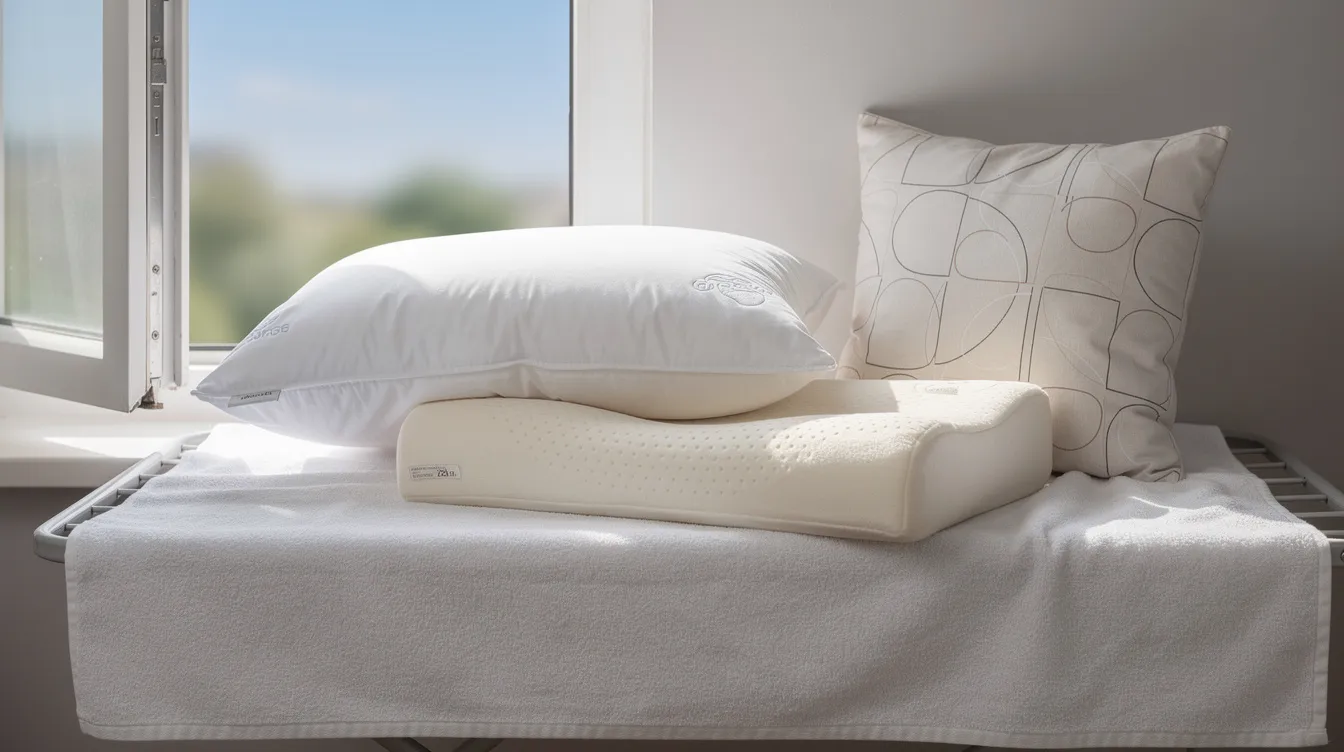
Drying: Press out moisture with a clean towel. Stand the foam upright on a drying rack and air dry memory foam pillows for 24 to 48 hours in a ventilated area. Avoid direct sunlight when drying memory foam pillows; UV and heat reduce rebound. Memory foam pillows should not be machine dried to prevent damage.
Deodorizing: Baking soda can absorb odors from memory foam pillows, but apply it only to the surface or to removable covers. A light vinegar solution (one part white vinegar, three parts water) wiped on with a soft cloth works for lingering smells without embedding moisture in the foam.
How to Wash Microbead Travel Pillows (Including Neck Bolsters)
Microbead pillows are popular for travel because they are lightweight, moldable, and allow airflow better than solid foam. They work well as neck bolsters and mini support pillows. Here is how to keep your microbead pillow fresh without damaging the fill or seams.
Decision rule: Check the care label. Microbead pillows can be machine washed on a gentle cycle in a mesh bag if the manufacturer allows it. If the label is silent or says "hand wash only," default to hand washing.
Hand wash steps:
-
Fill a basin with lukewarm water and add a small amount of mild detergent.
-
Submerge the pillow and gently squeeze and release 5-10 times. Do not twist or wring.
-
Drain and rinse in cool water until water runs clear to remove soap residue.
Machine wash (if label allows): Place in a zippered mesh laundry bag. Microbead pillows should be washed on a delicate cycle with cold water and low spin. Wash alone; other clothing items add friction that stresses seams.
Drying: Air dry flat on a towel, gently shaking and reshaping every few hours. Dry microbead pillows in a well-ventilated area, avoiding heat. Machine drying is off-limits for most microbead pillows; heat deforms polystyrene beads and causes them to lose shape.
The Travel Fanatics Mini Microbead Pillow follows these same steps. Its double-stitched seams hold up to gentle washing, but always air dry only.
Cleaning Inflatable, Down, and Synthetic-Filled Travel Pillows
Not every travel pillow contains foam or beads. Inflatable, down, and synthetic fills each need a different approach.
Inflatable neck pillows: Fully deflate the pillow. Wipe the outer fabric with a cloth dipped in warm water and mild soap. Rinse with a clean damp cloth. Let it air dry completely with the valve open for at least 24 hours. Inflatables should never go in the washing machine or dryer; their TPU bladders and valves degrade under agitation and heat.
Down and feather pillows: Down and feather pillows can be machine washed on a delicate cycle with mild detergent (down-specific formulas work best). Wash two at a time to balance the drum. Double-rinse to remove soap residue. Tumble dry on low heat with clean tennis balls or dryer balls to break up clumps and restore loft.
Synthetic fiberfill pillows: Machine wash on a gentle cycle in cold water with a small amount of gentle detergent. Air dry or tumble dry fabric covers on low heat after washing. Toss in dryer balls to prevent flat spots.
If the care label says "dry clean," respect it for delicate shell fabrics. For standard polyester shells, cautious hand washing in cold water is usually acceptable.
Removable covers on any of these pillows should always be washed separately.
Disinfecting and Deodorizing Travel Pillows Between Trips
Cleaning removes visible dirt and sweat. Disinfecting targets bacteria and viruses picked up on airplane headrests, bus seats, and hotel surfaces. Cleaning travel pillows reduces allergens and bacteria buildup; regular cleaning also preserves the breathability of pillow fabric and prevents unpleasant odors from developing in pillows.
Fabric-safe disinfectant sprays: Lightly mist removable covers after washing. Allow full air dry before reassembling. Do not soak the pillow core, especially for memory foam and microbead fills.
Sensitive materials method: Spray disinfectant or a diluted vinegar solution onto a clean cloth and wipe surfaces. This avoids saturating foam or bead interiors with moisture.
Natural deodorizing: Air pillows out near an open window. Briefly expose removable covers to indirect sunlight. Avoid leaving a memory foam core in direct sunlight or near heat sources; UV breaks down the foam.
Baking soda use: Sprinkle baking soda on removable, washable covers. Wait 30-60 minutes, then vacuum. Do not pack baking soda deep into a memory foam core; trapped powder retains moisture and creates new odors.
After every long-haul flight: Remove the pillow cover. Launder the cover. Wipe the pillow with a damp cloth. Air dry thoroughly before packing away. This keeps your pillow stays fresh trip after trip.
Step-by-Step: Hand Washing vs. Machine Washing (And When to Choose Each)
The pillow's material and construction determine which method is safe. Here is the breakdown.
Hand wash best practices:
-
Use cool to lukewarm water
-
Add pH-neutral or mild detergent (a few drops)
-
Gently squeeze instead of wringing
-
Rinse thoroughly in cool water
-
Press water out with a dry towel; never twist
Machine wash best practices:
-
Use a mesh laundry bag or zippered pillow cover
-
Select cold water, gentle or delicate cycle, low spin
-
Wash pillows alone or only with other pillows
-
Use a small amount of laundry detergent
Memory foam pillows require hand washing and spot cleaning only. Many microbead and fiberfill pillows can be machine washed if the label allows. For microbead or synthetic fill pillows, hand wash gently in lukewarm water and air dry if you are uncertain.
Drying: Prioritize air dry for all types. Low heat tumble dry is acceptable for down and fiberfill only. Memory foam and most microbead pillows should never be machine dried.
Quick decision guide: if you feel foam inside, hand wash. If you feel tiny beads, check the seams and care label before putting it in the washing machine.
How Often to Clean, Store, and Eventually Replace Your Travel Pillow
Regular maintenance after each trip plus periodic deeper cleaning keeps your travel pillow clean, hygienic, and supportive.
Frequency:
-
Wash removable covers after every trip
-
Travel pillows should be cleaned every 2-3 months for hygiene (deep clean the core)
-
Disinfect high-touch surfaces more often during cold and flu season
-
Wipe natural oils and sweat from pillow surfaces after each use
Storage tips:
-
Only store pillows when they are completely dry. Avoid storing pillows while they are damp to prevent mold or mildew growth.
-
Keep pillows in breathable cotton bags, not sealed plastic
-
Avoid damp closets, car trunks, or areas without air circulation
Signs it is time to replace:
-
Lingering smells persist after thorough cleaning and full drying
-
Visible dry spot or flat patches that do not bounce back
-
Leaking microbeads from worn seams
-
Crumbly or flaking memory foam
-
The pillow maintains neither its original shape nor support
Frequent travelers flying monthly may need to replace a travel neck pillow every 12-24 months, depending on material and care habits.
Treat your travel pillow like any personal item that touches your skin frequently. Regular cleaning protects comfort, health, and the pillow's lifespan. Start with the care label, match the method to the material, and always store dry.