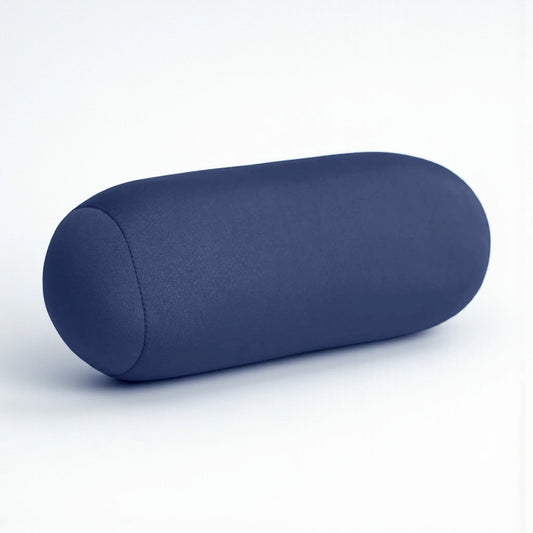

How to Do Laundry While Traveling (and Keep Your Bag from Stinking)
Nobody books a trip dreaming about laundry day. But if you've ever opened your suitcase on day five to find everything smelling like a gym locker, you know that ignoring dirty clothes is not a viable strategy. The good news: learning how to do laundry while traveling is straightforward once you have a system. This guide covers every method, from sink washing to full service laundromats, and shows you how to keep your bag fresh no matter your trip length or destination.
Quick Start: The Fastest Ways to Wash Clothes on the Road
Most travelers rotate between three approaches depending on budget, schedule, and what's available. You don't need to commit to just one - mixing methods is the move.
-
Pay someone. Hotel laundry service, full service wash-and-fold shops, or drop-off laundromats handle everything for you. Fast, but expensive.
-
DIY hand wash. Use a hotel sink, bathtub, dry bag, or even a Ziploc "washing machine." Nearly free, highly flexible, and you control the process.
-
Self-service machines. Laundromats, hostel washers, or Airbnb machines offer a middle ground - moderate cost, decent capacity.
For trips longer than 5–7 days, planning your laundry while traveling lets you pack fewer clothes and avoid the classic mistake of stuffing seven days of outfits into an already-full bag. Washing small loads frequently is easier than washing large piles at the end of the trip. A dedicated laundry bag and quick dry fabrics make any of these methods faster and more effective.
Why a Dedicated Travel Laundry Bag Belongs at the Top of Your Packing List
Managing dirty clothes is genuinely half the battle. Sweat, moisture, and bacteria don't stay politely contained - they migrate to clean clothes, line your suitcase with odor, and turn packing into a guessing game of "is this still wearable?"
The Travel Fanatics Travel Laundry Bag solves this from day one. It folds down to roughly 6 × 6 inches when empty, opens to about 22 × 21 inches, and is made from durable nylon with both a zipper and drawstring closure. That dual closure is what makes it effective - it actually contains smells and dampness instead of letting them seep into everything else.
Here's how it works across different trips:
-
7-day hotel stay in Paris. Toss worn socks, underwear, and sweaty t shirts into the bag each evening. By midweek hand wash night, everything dirty is in one place, separate from your clean clothes.
-
10-day cruise. Corral damp swimsuits and workout gear after pool days. The waterproof bag keeps moisture from spreading to folded outfits in your cabin drawer.
-
Weekend camping trip. Muddy hiking clothes and wet things go straight in, keeping your sleeping bag and dry layers untouched.
-
Road trips. Zip the bag closed so car upholstery doesn't absorb sour smells from sweaty gear sitting in the trunk.
-
Early checkout mornings. When you have to pack before everything is fully dry, the bag isolates damp items so clean clothes above stay fresh.
The bag also doubles as a carry sack - grab it and walk to the laundromat or drop-off shop without needing a separate tote. Use a waterproof sack for damp laundry to prevent mildew, and this bag checks that box.
Planning Laundry While Traveling Before You Leave
Costs and availability for laundry services vary wildly. A mid-range hotel in New York might charge $50 for a load; a wash-and-fold shop in Bangkok might handle the same for $5. Doing five minutes of research before you leave saves real money.
What to check before booking:
-
Hotel or resort amenities pages - does the listing mention laundry access?
-
Hostel and Airbnb descriptions - is there a washing machine on-site, and is it free or coin-operated?
-
Google Maps or Apple Maps - search "laundromat" or "lavanderia" near your accommodation; check hours and reviews.
-
Local norms - in some countries, coin-operated dryers are rare, and you'll rely entirely on air drying.
Price ranges to expect:
|
Option |
Typical Cost |
|---|---|
|
Self-service laundromats |
|
|
Full service wash-and-fold |
€10–18 for a full load |
|
Hotel laundry service |
At least €20 per load, often €30–70+ |
Most hotels offer laundry services for convenience, and some laundry services may pick up and drop off at hotels, but the markup is significant.
Quick decision checklist by trip style:
-
3-day city break. Pack enough clothing for 7–10 days worth of underwear and socks (you won't need that many, but no laundry needed). Hand wash a few small items nightly if needed.
-
2-week road trip. Plan a laundry facility stop every 5–7 days. Book at least one accommodation with laundry access.
-
1-month backpacking tour. Rely on hand wash and laundromats. Carry detergent sheets and the travel laundry bag. Skip hotel service except in emergencies.
What to Pack in a Simple Travel Laundry Kit
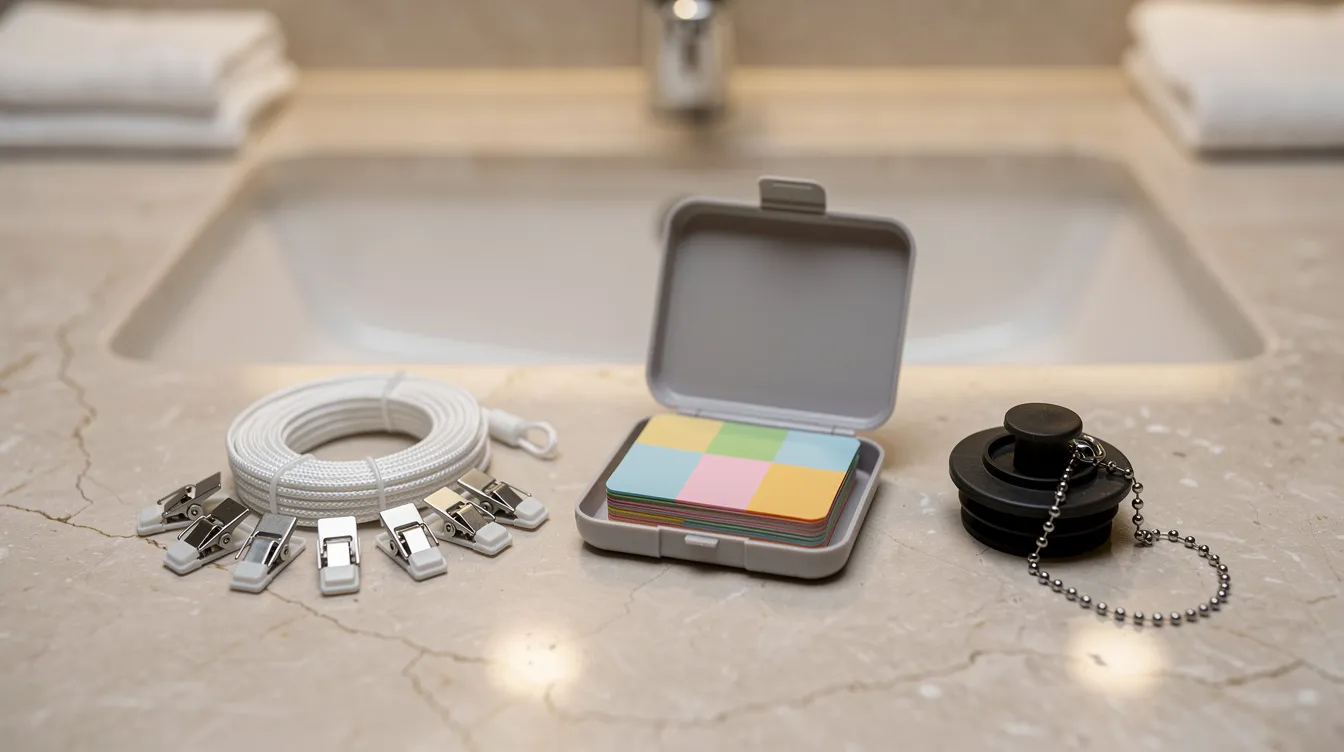
Pack a small laundry kit before you leave and you'll never scramble for supplies at 10 p.m. in a foreign city. Here's what belongs in it:
-
Travel Fanatics Travel Laundry Bag - for separating dirty clothes from clean items
-
Detergent sheets or a small bottle of concentrated laundry detergent - 10–12 detergent sheets cover a 2-week trip comfortably. Concentrated laundry detergent sheets occupy zero liquid space in luggage and are lightweight and TSA compliant.
-
Universal sink stopper - flat rubber, fits most drains
-
Microfiber towel - compact, fast drying, essential for wringing out wet clothes
-
Lightweight travel clothesline or 4–6 clothespins - for hanging garments anywhere
For liquids, pack your own laundry detergent in travel sized bottles that comply with carry-on rules, or skip liquids entirely with soap sheets or detergent pods. Bring a tiny bottle of dish soap as backup - it's excellent for greasy stains when laundry soap isn't available.
Optional extras: a stain remover pen, a small scrubbing brush for collars, and silicone gel packets or dryer sheets tucked at the bottom of your laundry bag for odor control.
Choosing the Right Clothes to Make Travel Laundry Easier
Fabric choice determines how often you wash and how long you wait for things to dry. Versatile quick-drying fabrics are better than heavy cotton for travel - this one decision changes everything about your laundry routine.
Best travel fabrics:
-
Merino wool - exceptional odor resistance, wearable for multiple wears between washes, and merino wool is also a quick-drying travel fabric (a thin merino tee can dry overnight). Merino can be worn 3–7 days between washes.
-
Polyester and nylon - quick-drying fabrics include polyester and nylon, which can dry in 30–60 minutes under good airflow. Quick-dry underwear can dry in under 4 hours. Synthetic fabrics dry faster than natural fibers like cotton.
-
Blends - merino/nylon or merino/polyester blends give you odor control plus durability.
Avoid heavy cotton jeans or thick hoodies on trips where you'll hand wash - they absorb water, take over 24 hours to dry in a hotel room, and weigh down your bag. Travel clothes should be lightweight and wrinkle-resistant.
Pack darker colors and patterns to hide small stains and reduce visible wear. A "7-day wardrobe" for longer trips might look like: 7–10 pairs of underwear/socks, 3–4 quick-dry t shirts, 2 bottoms, and one light outer layer. Combine this with mid-trip laundry and you're packing light without sacrificing fresh travel clothing.
Real-world comparison: A 150 gsm merino t-shirt washed in a sink at night and hung near a fan dries by early morning. A cotton tee washed at the same time? Still damp the next afternoon.
How to Use Hotel Service and Other Paid Laundry Options
Paid options save time but cost real money. Always check prices before handing over a bag of dirty clothes - most hotels post rates on in-room cards or the concierge page.
Hotel service typically works per piece or per kilo. Same-day or next-day return is standard, with express surcharges of 25–50% extra. Hotel laundry services typically cost at least €20 per load, and in mid-range Western hotels, expect $30–$70. Hotel service makes sense when time is critical - a busy business trip, for example.
Full service wash-and-fold shops are the sweet spot for value. Drop off in the morning, pay by weight, pick up clean, dry, folded clothes in the evening. In major cities, a backpack-sized load runs $10–$20. Great for sightseeing days when you don't want to babysit a machine.
Self-service laundromats offer the lowest cost. Laundromats typically charge €7–10 for wash and dry. Bring your own laundry detergent - machines often don't include it. In Tokyo, coin laundromats run ¥300–600 (about $2–5). In London, expect £4–8 per large load. In Los Angeles, $5–8 for a small wash. Budget about an hour for a full cycle.
A few options exist for every schedule and budget - the key is knowing what's around you before laundry day arrives.
Hand Wash Techniques: Using Sinks, Bathtubs, and Bags
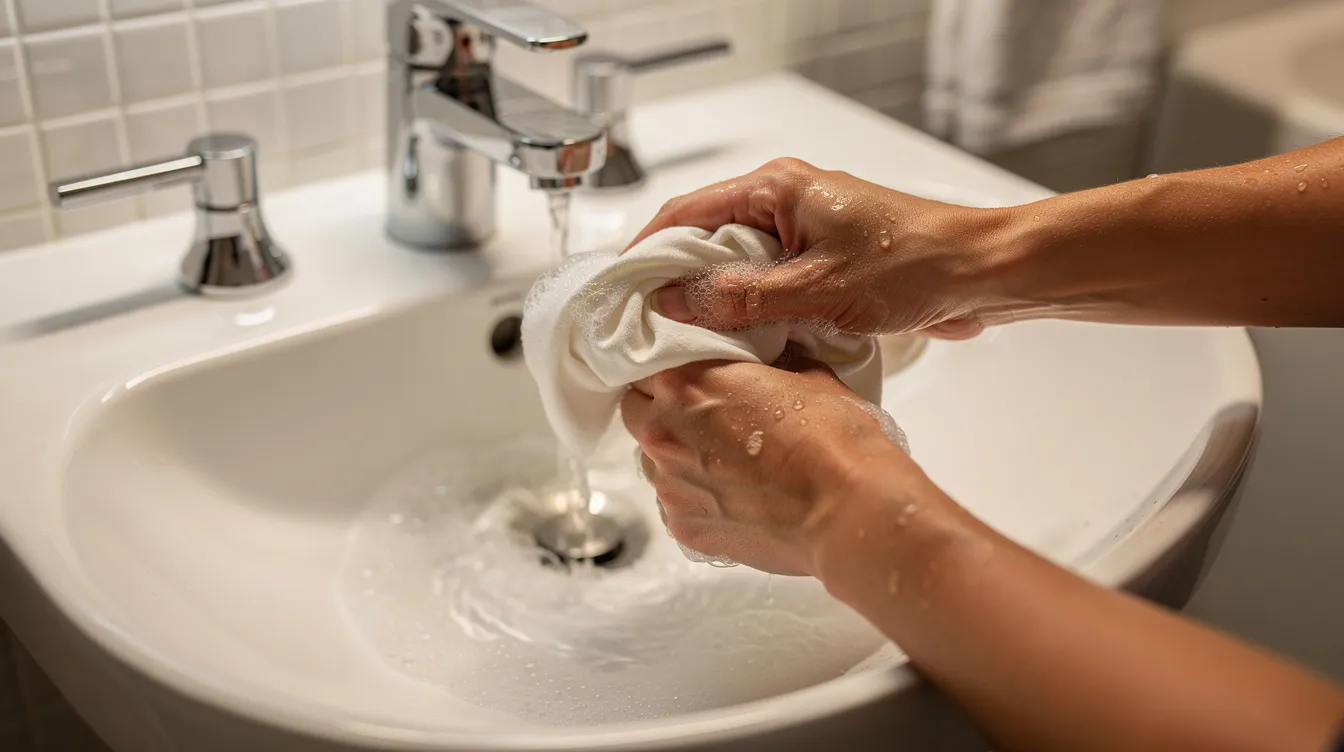
Hand wash is the cheapest, most flexible way to handle laundry while traveling. It's ideal for underwear, socks, and quick-dry shirts - anything small enough to manage in a bathroom sink.
Step-by-step sink laundry:
-
Clean the sink first. Hotels may lack stoppers for deep sinks or tubs, so plug with your universal sink stopper - a sink stopper can convert hotel basins into wash-basins.
-
Fill with cool or lukewarm water. Pay attention to water temperature: cold water prevents shrinking and color bleeding. Never use hot water on wool or silk. And avoid using hotel coffee makers for heating wash water due to hygiene issues.
-
Add a small amount of laundry detergent, a detergent sheet, or liquid soap. Travel-sized detergent is effective for hand-washing clothes. Using mild hotel shampoo can substitute for laundry detergent in a pinch, though proper laundry soap keeps fabrics in better condition. Even body wash or hand soap works for emergencies.
-
Soak clothes for 5–15 minutes. Soak clothing before washing to help remove stains, especially for heavily soiled items.
-
Gently agitate - press, squeeze, and swirl. This gives a more thorough wash than just soaking.
-
Drain and rinse with clean water until suds disappear.
-
Squeeze out excess water gently - no wringing.
Hand washing clothes in a sink is effective for small items like underwear and socks. Washing clothes in a bathtub allows for larger loads than a sink when you've accumulated more.
Using a wash bag: A portable wash bag can help wash small loads without access to a sink. The Scrubba wash bag, for example, has an internal washboard - add clothes, warm water, and soap, seal it, then knead for several minutes. Using a dry bag can simulate a washing machine for clothes in the same way. In a pinch, a large 3-gallon Ziploc bag works as a substitute - seal, shake, drain, rinse.
Dish soap or hotel shampoo can handle spot cleaning and small items, but stick with proper laundry soap or detergent sheets for anything you want to last.
Wash most items in cold water while traveling to avoid shrinking and color bleeding.
Drying Clothes Efficiently in Hotels, Hostels, and Campsites
Poor drying is what turns clean laundry into musty, half-damp disappointment. The drying process matters as much as the wash itself - get it wrong and you're packing wet clothes into your bag.
Remove excess water first. Rolling wet clothes in a towel can extract excess moisture far better than squeezing alone. Lay the garment flat on a clean towel, roll tightly, and press down. This can cut drying time significantly.
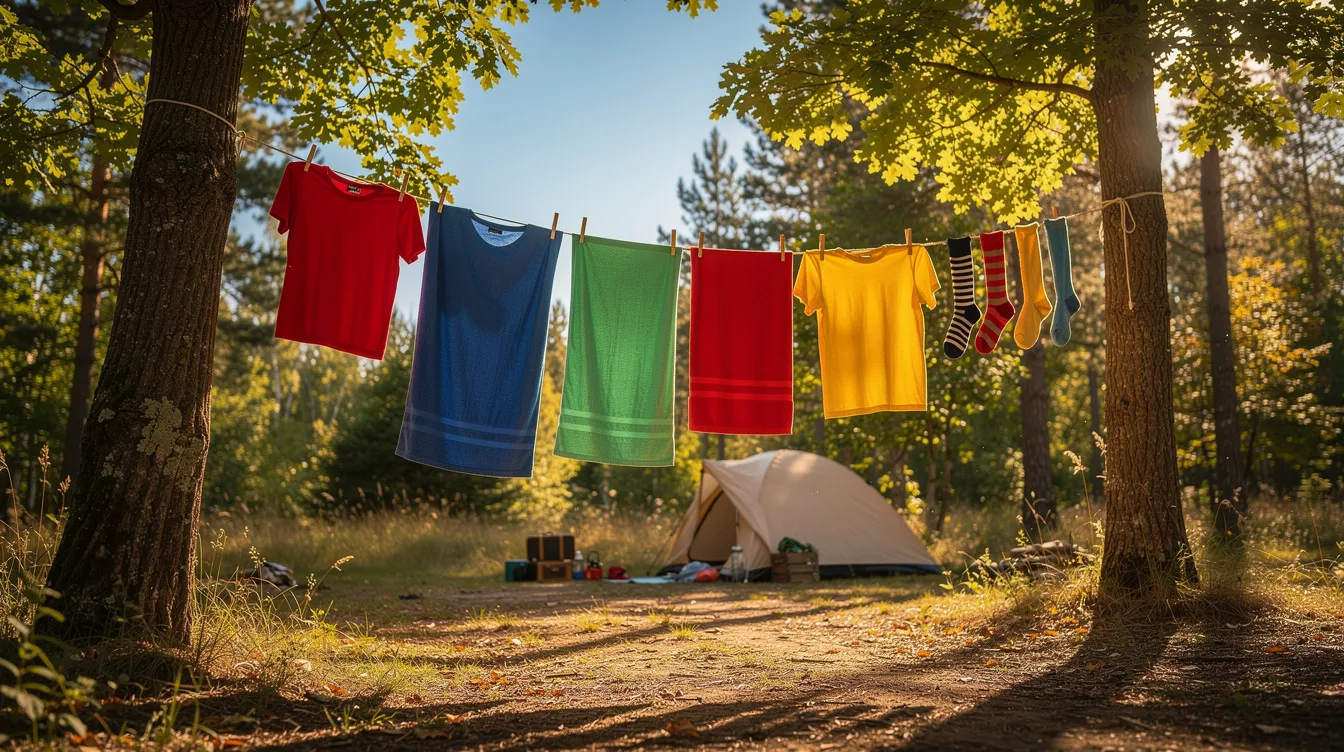
Set up a drying station. Hang damp garments using suction cup or clip-style travel clotheslines strung across the bathroom. A shower curtain rod works perfectly for hangers. In hostels, string a clothes line between bunk beds (check house rules first).
Use airflow. Hanging clothes where airflow circulates can speed up drying dramatically. Turn on the bathroom exhaust fan, angle the air conditioning vent toward hanging items, or crack a window. Quick drying depends more on air movement than heat.
Outdoor drying. At campsites or balconies, use strong clips or clothespins to prevent clothes from blowing away. Hang dry in direct sunlight when possible - UV also helps kill bacteria.
Concrete overnight scenario: You arrive at your hotel at 6 p.m. and wash two t shirts and three pairs of socks in the sink. You towel-roll each item, then hang clothes on the shower curtain rod and travel clothesline with the exhaust fan running. By 7 a.m. checkout, the polyester and merino items are dry. Hand washing clothes can take 12–24 hours to dry indoors, so cotton items may still be damp - toss those in the laundry bag and deal with them at the next stop.
Keeping Dirty Clothes and Your Bag from Stinking
Sweat, trapped moisture, and sealed suitcases combine into powerful odors, especially on summer trips or longer trips with limited laundry access. The fix is containment and prevention.
Primary defense: the Travel Fanatics Travel Laundry Bag. Its nylon fabric and secure zipper-plus-drawstring closure confine smells and dampness away from clean gear. Separate dirty clothes from clean ones immediately - don't toss everything into one bag compartment and hope for the best.
Odor control additions:
-
Place silicone gel packets or small sachets of baking soda at the bottom of the laundry bag to absorb moisture and neutralize odors.
-
Toss in a dryer sheet or a fabric square with a few drops of lavender essential oil. It won't mask serious funk, but it keeps things from going fully sour. Fabric softener sheets work the same way.
-
When possible, air out the laundry bag and suitcase in direct sunlight for 20–30 minutes. UV kills odor-causing bacteria and dries out trapped humidity.
Road trip example: Over a weeklong road trip, socks and underwear go into the laundry bag each evening with a baking soda sachet. The bag stays zipped in the trunk. Without that barrier, the car interior would absorb the smell within days. With it, you open the bag only on laundry day.
Managing Stains on the Go
Heat from sun exposure or dryers can set stains permanently, so speed matters. Deal with spills and marks the same day they happen.
Carry a stain remover pen. Tide to Go pens are portable and effective for spot cleaning - they're TSA-friendly and handle coffee splashes, sauce drips, and wine spots on the fly. Use a small spray bottle with water to help rinse treated areas.
Hotel room stain fixes:
-
General stains: Warm water and a bar of soap. Rub soap directly on stains before soaking for better results.
-
Oil or grease (sunscreen, food): Dish soap effectively removes food grease stains from clothes. A few drops on a black t-shirt with sunscreen marks, worked in gently, then rinsed in cold water.
-
Underarm odor or deodorant marks: Baking soda mixed with water can help remove stains. Apply as a paste, scrub gently, rinse.
-
Red wine on a blouse: Blot immediately (never rub), apply stain remover pen, then soak the garment the next morning if you have access to a sink.
Always check clothing care labels and test any soap or remover on a hidden area first, especially for silk, merino wool, or dyed fabrics.
Laundry on Special Kinds of Trips (Backpacking, Camping, Cruises, Road Trips)
Different trips bring distinct laundry challenges. Here's how to adapt.
Backpacking. Carry the lightest kit possible: detergent sheets, a small bottle of eco-friendly laundry soap, and a travel laundry bag that folds flat. Hand wash in hostel sinks or use a dry bag method. Prioritize quick dry fabrics for everything - underwear, socks, shirts. Every ounce in one bag matters.
Camping and RVing. Use campground laundry rooms when available. Near streams or lakes, use only biodegradable detergent where regulations permit. String a clothesline between trees or clip clothes to RV mirrors and awning hooks for air drying. Keep wet things in the laundry bag to avoid mildew in your tent.
Cruises. Larger ships often have self-service laundry rooms, though they charge a premium. Spot cleaning in the cabin sink handles daily needs. Use the travel laundry bag to hold damp swimsuits and workout gear until you can wash them properly. Most cruise cabins have limited hanging space, so bring a travel clothesline.
Road trips. Schedule laundry stops at motel laundromats or coin-op machines every 5–7 days. Keep damp clothes in the laundry bag - not draped over seats - so car upholstery doesn't absorb odors. At rest stops, you can hand wash small items and use vent airflow to dry them for a little while before your next drive.
Common Laundry Mistakes Travelers Make (and How to Avoid Them)
Small errors waste time and can damage your travel clothes. Here are the most common ones and what to do instead.
|
Mistake |
Do This Instead |
|---|---|
|
Waiting until everything is dirty before washing |
Wash small loads every 3–4 nights so you never face a massive pile |
|
Using hotel shampoo for everything |
It works in emergencies, but pack your own laundry detergent or detergent sheets for better fabric care |
|
Washing wool or delicates in hot water at unfamiliar laundromats |
Always use cold water for delicates and check labels first |
|
Leaving wet clothes in a sealed bag or pile |
Hang dry immediately or isolate in the laundry bag with airflow |
|
Assuming every Airbnb washer includes detergent |
Pack your own - running to a convenience store at midnight is no fun |
|
Using too much detergent when hand washing |
Use half what you think you need; excess is hard to rinse and traps odor |
Build a simple schedule on longer trips - every 4th night is wash night. You'll never be stuck with only heavily soiled items and nothing clean to rewear.
Sample Laundry Routine for a One-Week Trip
Here's a concrete example for a 7-day city trip using only a carry-on. Adjust the timing to fit your next trip.
Day 1–2: Wear fresh clothes. Each evening, place worn underwear, socks, and one shirt in the Travel Fanatics Travel Laundry Bag. Jeans, outer layers, and items that can handle multiple wears stay out.
Night 3: Hand wash underwear (3 pairs), socks (3 pairs), and 1–2 t shirts in the bathroom sink using detergent sheets. Towel-roll each item with a microfiber towel to remove excess water. Hang on the shower curtain rod and clothesline with the exhaust fan running. Items should dry overnight.
Day 4–5: Wear dried items. Continue rotating. If shirts still look and smell fine, skip washing and simply air them out.
Day 5 or 6 (optional): If you've been very active - hiking, beach days, lots of walking in heat - plan one laundromat or hotel service load. Use the laundry bag to carry everything to and from the laundry facility.
Day 7: Final wear. Load remaining dirty clothes into the laundry bag for the trip home. Clean clothes sit on top of the suitcase, away from the sealed bag.
The result: Instead of packing 7 shirts and 7 sets of underwear, you packed 3–4 shirts and maybe 5 pairs of underwear. Everything stayed fresh. Packing light actually worked.
Putting It All Together: Staying Fresh Without Overpacking
A bit of planning, the right fabrics, and a dedicated travel laundry system mean you can pack light and still enjoy clean clothes on any trip. The core toolkit is simple: a Travel Fanatics Travel Laundry Bag for dirty clothes management, compact laundry detergent or detergent sheets, a sink stopper, a microfiber towel, and a travel clothesline.
Mix your methods based on time and budget. Hand wash small daily items like socks and underwear. Use a laundromat or full service shop for bigger loads when they pile up. Neither approach alone is perfect - together, they keep clothes clean without premium hotel prices.
Before your next major trip, test the routine at home. Wash a small load in your bathroom sink with detergent sheets, hang dry overnight, and see how long things take. You'll know exactly what to expect and can plan buffer time if needed.
Travel laundry is just another small travel skill - like navigating public transit or packing a day bag. Once you've done it a couple of times, it becomes automatic, and you'll wonder why you ever packed a full week of clothes for a trip you could handle with half. Wash easily, pack light, and spend your energy on the parts of the trip that actually matter.