
How to Keep Dirty Clothes From Smelling in Your Suitcase
Every traveler knows the moment. You unzip your suitcase after a trip and a wave of stale, sweaty scent hits you before you can even find your pants. The good news is that keeping dirty clothes from smelling in your suitcase comes down to three things: keep them separate from clean items, seal them in the right bag, and use simple odor absorbers so smells never get locked in with fresh clothing. This advice works whether you are heading out with a carry-on, checked luggage, a road trip duffel, or a cruise cabin. The easiest upgrade most travelers overlook is swapping a basic plastic bag for a dedicated travel laundry bag that keeps clothes smelling fresh without trapping the moisture that makes things worse.
Quick Fix: The Fastest Way to Stop Dirty Clothes From Stinking Up Your Suitcase
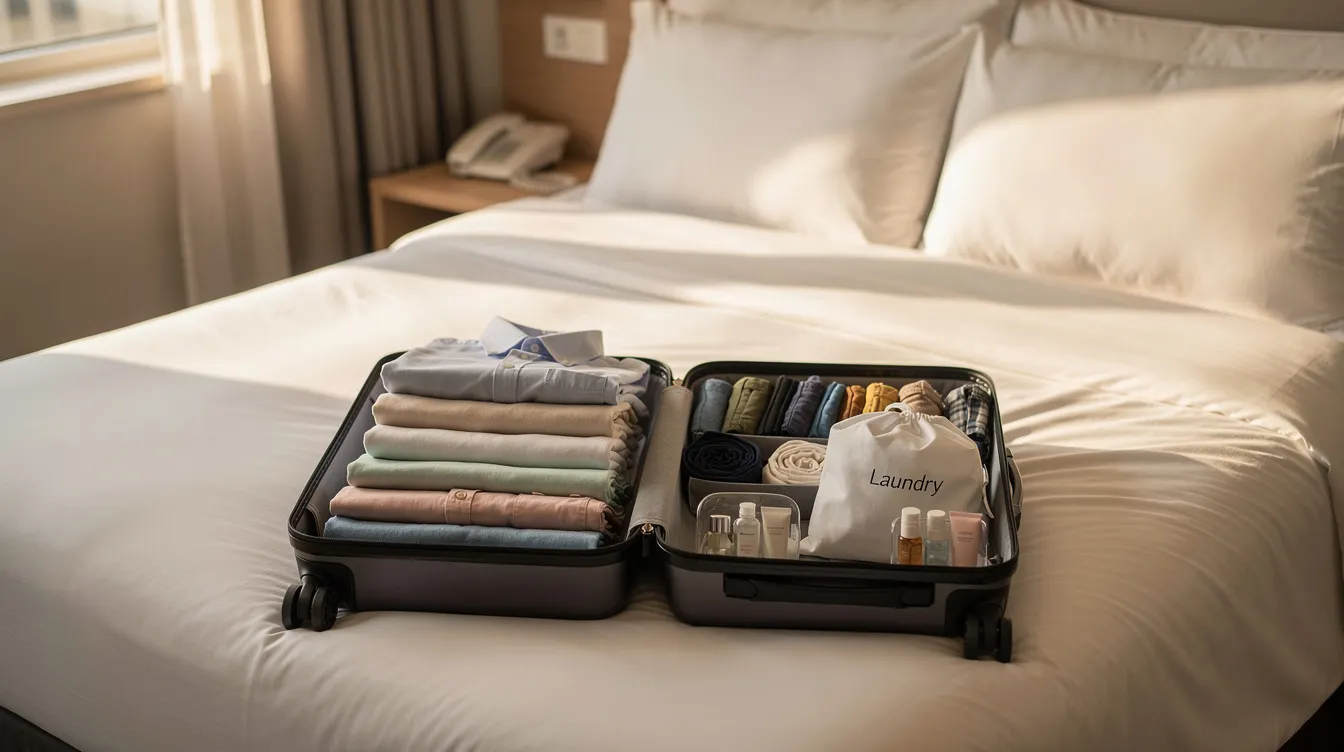
The moment you consider something dirty, throw it into a sealed laundry bag and place that bag in the same section of your luggage every time. Always pack dirty clothes in a dedicated laundry bag rather than letting them sit loose among clean items. When worn clothing is left uncontained, moisture and body oils rub against everything in a tightly packed suitcase, and bacteria already living on the fibers feed on sweat to produce the kind of volatile compounds that make an entire bag smell foul.
Think of it as a three-step routine: separate, seal, and deodorize. Separate dirty from clean. Seal dirty items in a container suited to the job. Deodorize with something breathable or absorbing. A reusable travel laundry bag outperforms a thin plastic bag here bc it manages airflow just enough to prevent mildew while still containing odors. That simple habit takes less than ten seconds and saves you from discovering a suitcase that reeks at the end of a trip.
Choose the Right Bag: Laundry Bags vs. Plastic Bags vs. Packing Cubes
The container you use for dirty clothes matters more than most travelers think. A hotel plastic bag or grocery bag may seem like an easy solution, and it is waterproof, but it traps every bit of moisture from damp clothes. That moisture paired with body oils creates a warm, close environment where bacteria and mildew thrive, turning what was supposed to be a barrier into a stinky incubator. If you leave a sealed plastic bag closed for a couple of days, the smell can actually get worse than if you had done nothing at all.
A breathable but lined travel laundry bag is a better kind of solution. Use breathable mesh bags to separate dirty clothes from clean ones while still allowing enough airflow to reduce humidity. For seriously wet or sweaty items like swimsuits and gym gear, use airtight bags to store dirty clothes so odors stay fully contained. The Travel Fanatics Travel Laundry Bag hits a good balance: it is lightweight, machine-washable, and sized to hold several days of dirty clothing without adding bulk. For hotel rooms and Airbnbs, the Travel Fanatics Collapsible Travel Laundry Basket gives you a home base to drop items into daily, keeping them off furniture and floors until you are ready to pack or wash.
Pack Smart: How to Separate Dirty Clothes From Clean Clothes
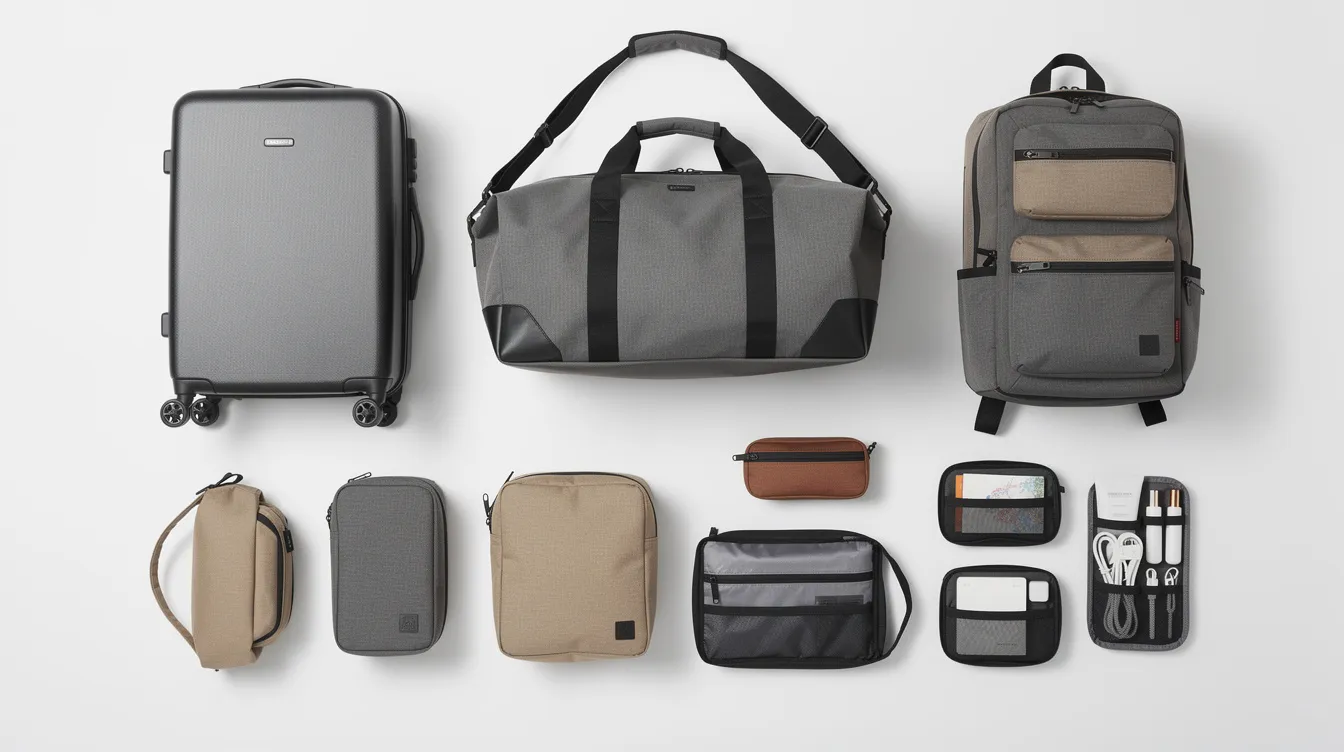
Separation is your first line of defense. Keep clean and dirty clothes physically separated in luggage by dedicating one half of your suitcase to fresh clothing and reserving the other half for your laundry bag or collapsed basket. Use packing cubes for clean items so nothing mingles, and designate one cube or bag exclusively for dirty things. This prevents cross-contamination, where odor molecules, fluids, and bacteria migrate through fabrics in a shared space.
Position your dirty-clothes bag near shoes and away from delicate fabrics that hold scent easily, like sweaters, scarves, and pajamas. Store shoes in breathable bags to prevent odors from spreading to clothing. For items that are only a bit worn, like pants you wore once to dinner, keep em separate from both heavily soiled gym clothes and freshly washed clothes so you do not waste a wash on something that just needs a quick airing. Check the dirty-clothes bag once a day while traveling. If anything damp is buried inside, pull it out and let it dry before resealing.
Stop Odors at the Source: Sweat, Moisture, and Fabrics That Smell Fast
Sweat and moisture are the real culprits. Research shows that apocrine sweat combined with sebum supports bacteria like Corynebacterium and Staphylococcus, which break down odor precursors into the volatile compounds responsible for that unmistakable stink. Cotton absorbs a lot of moisture and dries slowly, while synthetic athletic fabrics dry fast but retain oils and odor longer. A recent study found that over 70 percent of people wash athletic wear because of smell rather than visible dirt, which tells you how quickly those fabrics can turn. Use quick-drying fabrics to reduce odor retention while traveling, and you will find that your laundry bag stays far more manageable.
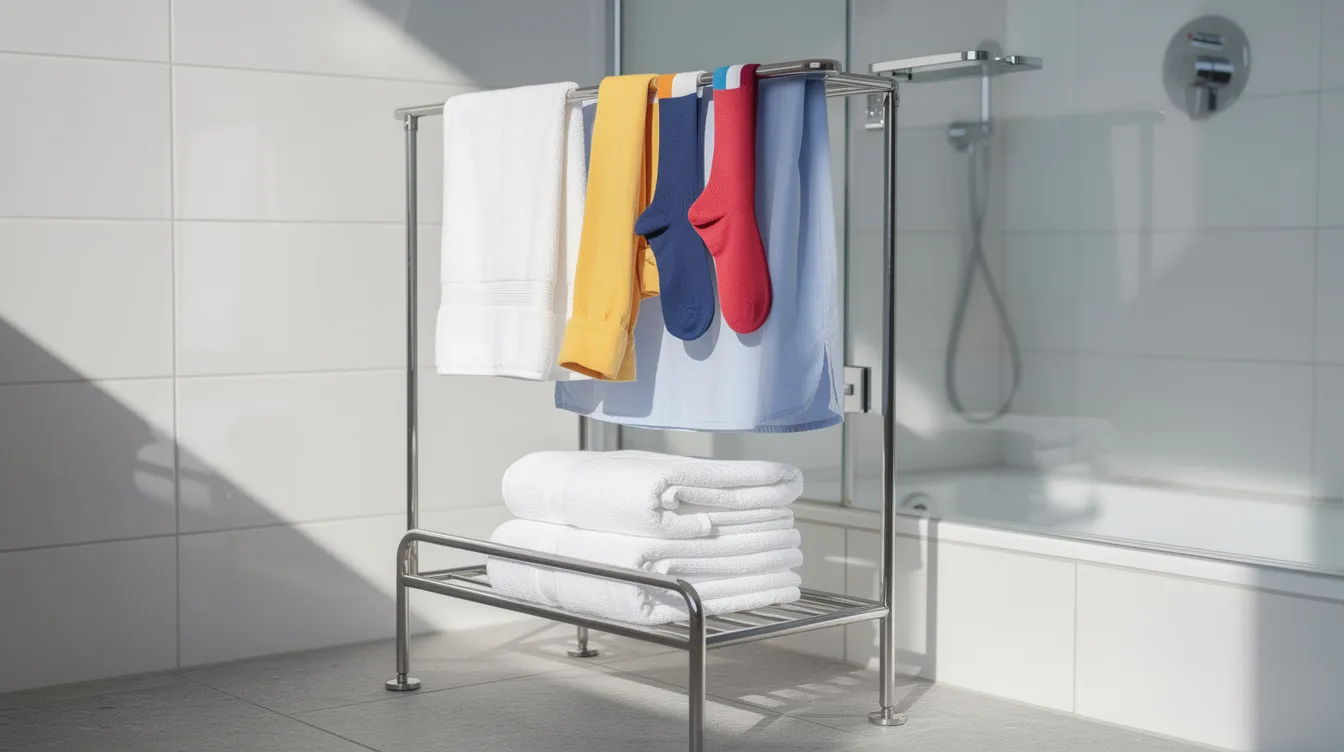
Air out damp clothes to release moisture before packing them, even if you can only spare 15 to 30 minutes. Hang sweaty items in the bathroom after a shower, drape them over a chair, or place them near a window with airflow. Never pack damp items to avoid bacteria and mildew growth. Seal items in wet/dry bags to contain damp clothing and odors when you must pack something that has not fully dried, like a swimsuit on checkout day. Try to reset your suitcase during a trip by opening everything in the room and giving it all some air for a night.
Use Natural Odor Fighters: Simple Ways to Keep Clothes Smelling Fresh
Odor control gets a lot easier when you combine separation with subtle fresheners. Pack baking soda to absorb odors in your suitcase by placing a small sachet near your dirty-clothes bag. Baking soda neutralizes acids and foul odors in laundry compartments, making it one of the cheapest and most effective tools you can bring. Activated charcoal absorbs moisture and neutralizes odors naturally and works well tucked between packing cubes. Cedar blocks and sachets filled with lavender or eucalyptus add a clean scent without chemicals.
Pack dryer sheets to reduce odors in luggage. Dryer sheets mask lingering smells and can be tucked into laundry bags alongside dirty items. You can also use essential oils on cotton balls for a fresh scent, placing them inside a small pouch near your clothing. Avoid spraying heavy perfumes directly on worn clothes, as they can mix with sweat and produce an even more pungent result over time. Build a tiny freshness kit that always lives in your suitcase: a baking soda sachet, a charcoal pouch, a couple of dryer sheets, and a cedar block. You will love having it ready to go on every trip so you never have to improvise.
Stay Fresh on Longer Trips: Laundry Strategies for Week-Plus Travel
Longer trips require a simple laundry plan. Without one, you will find yourself heading home with a suitcase that is mostly dirty clothes and very little room for anything else. Use a collapsible travel laundry basket in your hotel or rental as a daily drop point so dirty items never end up scattered across furniture. When it is time to check out, tip the contents into your sealed travel laundry bag and pack it.
Quick-wash strategies help a lot on week-plus travel. Wash lightweight items in the sink with a bit of travel detergent or shampoo every three to five days. Take advantage of hotel laundry services or self-service laundromats along your route. Rotate a couple of outfits so dirty clothing does not pile up faster than you can manage it. A consistent routine keeps both the suitcase and the room feeling cleaner, and it saves you from that overwhelming post-trip laundry mountain.
FAQs: Common Mistakes That Make Suitcases Smell (and What to Do Instead)
A plastic bag is fine for a few hours, but leaving dirty clothes sealed in one for multiple days is one of the most common mistakes travelers make. The trapped moisture accelerates mildew and makes odors far worse. A dedicated laundry bag or breathable mesh pouch is a better long-term solution for any trip.
Leaving dirty clothes loose in packing cubes is another thing that causes problems. Without a true barrier, odor and bacteria migrate freely through your suitcase. Every traveler needs at least one dedicated laundry bag in their luggage, no matter how short the trip. Between trips, wash your travel laundry bag and wipe down any collapsible basket so you start fresh each time.
If you pack still-damp items, you risk mold and mildew forming inside your suitcase. Always dry clothes fully before sealing them, and if that is not possible, use a waterproof wet/dry pouch as a temporary fix. Adopt the separate-seal-deodorize system on your very next trip and you will discover that keeping your suitcase smelling clean is one of the easiest travel upgrades you can make.