

How to Pack a Travel Pillow in a Carry-On Without Taking Up Too Much Space
Anyone who has ever tried to zip a carry-on shut over a puffy neck pillow knows the frustration. The good news is that learning how to pack a travel pillow in a carry-on without taking up too much space is simpler than most travelers think, and it starts well before you reach the airport.
Quick Answer: The Best Ways to Pack a Travel Pillow in Your Carry-On
The most effective ways to keep a travel pillow from eating your carry-on space are straightforward: choose a compact design like inflatable travel pillows or a mini microbead pillow, compress or clip it to the outside of your bag, and make the pillow earn its spot by doubling as padding for fragile items. The type of travel pillow you pick affects packing efficiency more than any folding trick, and maximizing carry-on space involves clever packing techniques tailored to the pillow type. Choosing a compressible pillow saves space in luggage from the start.
A memory foam pillow or a full size pillow can still work inside a carry-on, but they usually require compression bags or a dedicated strap system to keep them from dominating your bag. A small pillow such as the Travel Fanatics Mini Microbead Travel Pillow can fit into or clip onto most carry-ons without sacrificing much space at all. The rest of this article walks through specific packing techniques, pillow types, and space-saving strategies you can use on your next trip.
Why Travel Pillows Feel So Bulky in a Carry-On
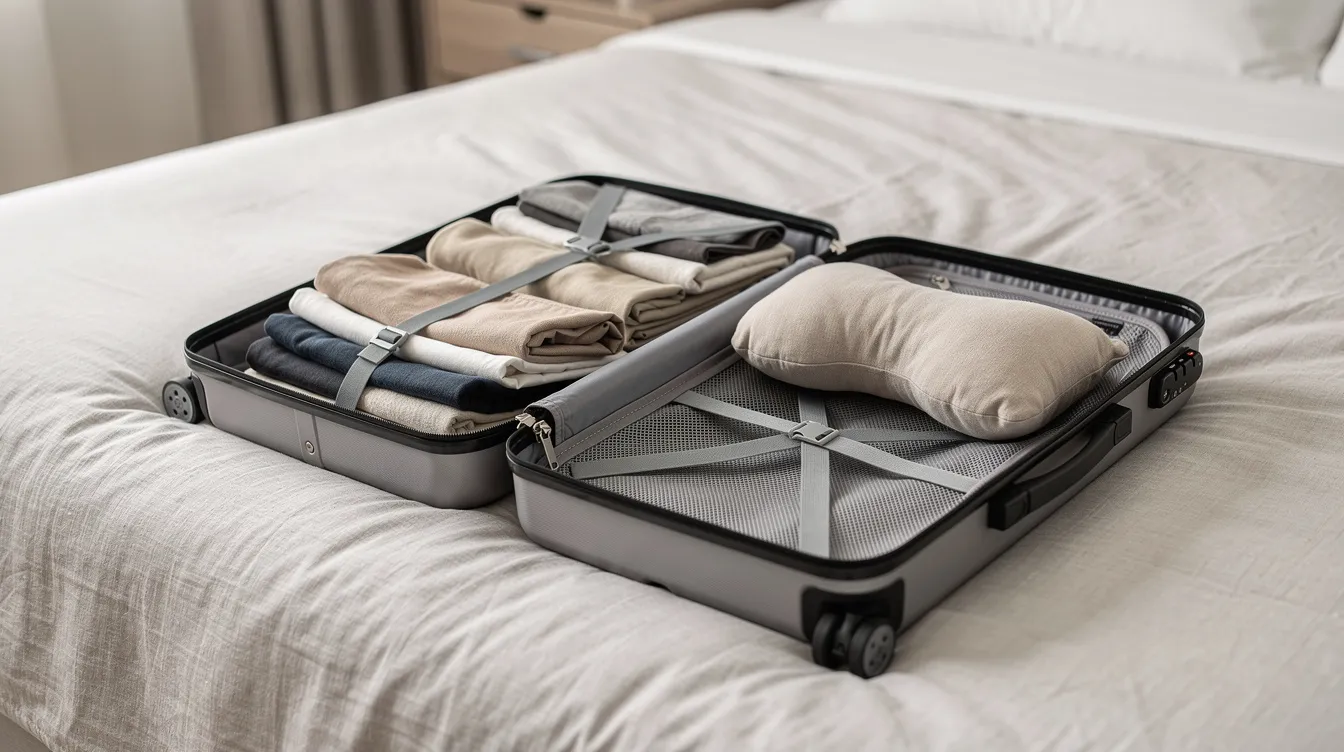
Even a lightweight travel pillow can behave like an air-filled balloon inside a carry-on. It spreads in every direction, refuses to fold the way clothes do, and steals valuable room from essentials like toiletries, electronics, and a change of clothes. Full-size pillows offer maximum comfort but take up significantly more space-a standard rectangular pillow can easily fill half the top layer of a small roller bag, leaving you wrestling with the zipper.
So why bother? Because familiar pillows improve sleep quality during travel, and hotel pillows are not regularly cleaned inside, which means using your own pillow reduces exposure to allergens and bacteria. Bringing a pillow you trust delivers consistent neck support, better sleep, and peace of mind in unfamiliar environments. A travel pillow can also effectively reduce a bag's unused space when stuffed alongside clothes, filling gaps that would otherwise sit empty. Just avoid packing a pillow in the center of a bag, because that creates dead air and pushes everything else to the edges.
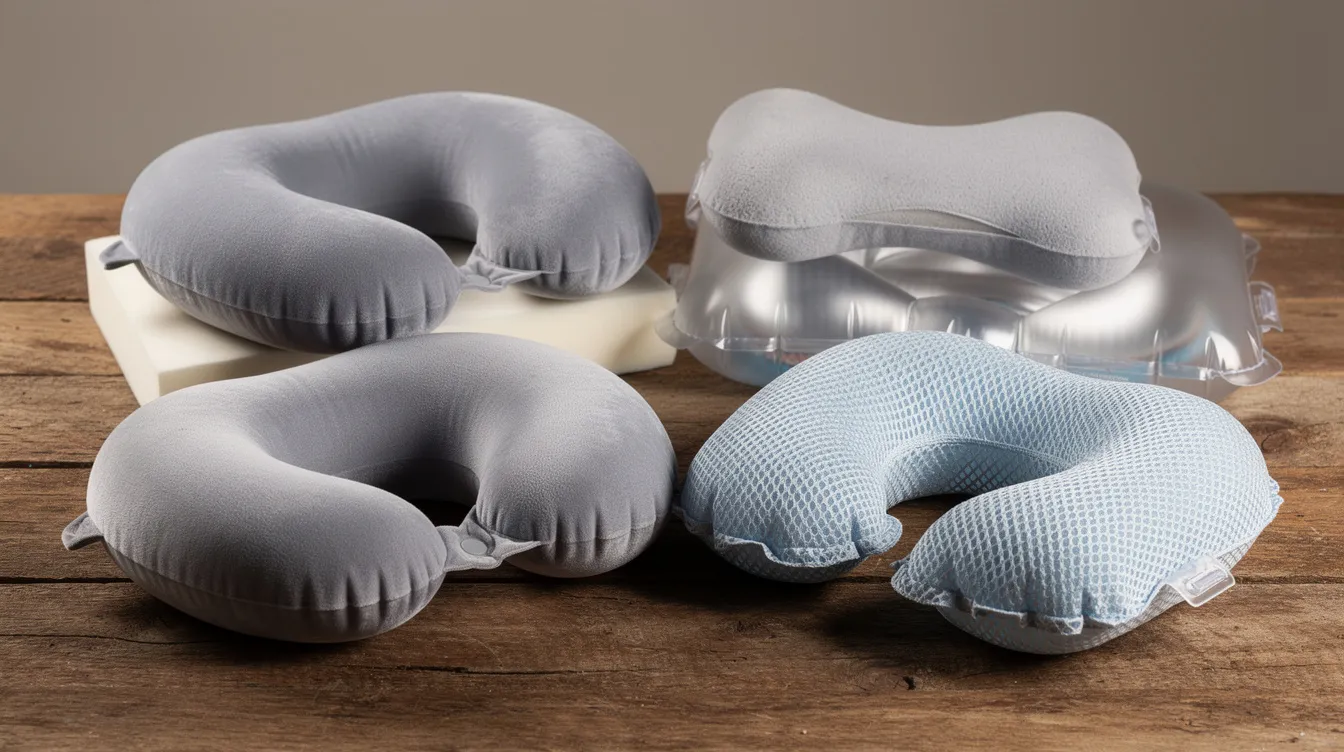
How a pillow behaves when squished depends entirely on its filling. Memory foam resists compression and springs back slowly, holding its thick shape even under pressure. Microbead pillows let their fill shift and settle, conforming to irregular spaces but never going fully flat. Inflatable pillows collapse to almost nothing when deflated. Understanding these differences is key to picking a pillow that works with your carry-on rather than against it.
Choose the Right Type of Pillow for Carry-On Packing
Saving space starts before you pack. The right pillow for your travel style has more impact on your bag's organization than any clever rolling technique.
Inflatable travel pillows are lightweight and portable, and deflating an inflatable pillow creates the most efficient packing option available. A deflated air chamber can slide into a shirt pocket or front pouch, taking up significantly less space than any other fill type. The trade-off is comfort-they can feel plasticky or cold unless paired with a soft fabric cover, and the air inside may shift when you lean into them during a long haul flight.
A memory foam pillow provides excellent support and conforms to your neck shape, making it a strong pick for travelers prone to a stiff neck. Memory foam pillows provide better neck support than hotel pillows and deliver consistent sleep quality. However, the dense foam resists folding, so you usually need compression bags or exterior straps to make them carry-on friendly. Some pillow types benefit from gentle compression to maintain their form, but over-compressing foam can permanently deform it.
Microbead travel pillows are soft and moldable for comfort. The tiny beads redistribute under pressure, letting the pillow squeeze into corners, pockets, and the gaps between packing cubes. This makes them a strong compromise between the plush feel of foam and the packability of an inflatable. Wrap-around travel pillows provide 360-degree support for your head and can use microbead or foam fill depending on the brand.
Compressible pillows can fit easily in carry-on luggage, but a full size pillow is best reserved for road trips or situations with a generous luggage allowance. Compact designs-like a mini microbead pillow-are often the easiest to fit inside a standard carry-on without major packing gymnastics.
Packing Techniques: How to Make Any Pillow Take Up Less Space
Instead of stuffing a pillow into the first open corner of your bag, pick a specific method: rolling, folding and tucking, compressing, or clipping externally.
Rolling up soft pillows helps to save space in travel bags. Grab a soft pillow-fiber fill, microbead, or thin foam-roll it tightly, and use elastic bands, straps, or the pillow's own snap to hold the roll in place. Then wedge it along the spine of your carry-on or lay it at the top under packing cubes. Rolling pillows reduces their footprint slightly, though the real gain is in controlling the shape so it cooperates with everything else in the suitcase.
Folding and tucking works well for smaller or more flexible pillows. Stuffing a travel pillow into awkward gaps utilizes dead space in luggage-think the curve inside shoes, the hollow of a rolled hoodie, or the edges around packing cubes. The pillow acts as flexible filler, and using a towel to wrap pillows keeps them clean and compact while adding another layer of protection. Compression packing cubes help maintain a structured shape for bulky items, so pairing cubes with a tucked pillow keeps everything from shifting during transit.
For a memory foam or full size pillow, compression bags shrink pillows significantly for packing. Using a compression sack can reduce a pillow's volume by up to 50 percent, which can make the difference between zipping your bag shut or not. A practical caveat: compression works best for one-way packing and may not be worth the effort for a short weekend getaway or a quick flight.
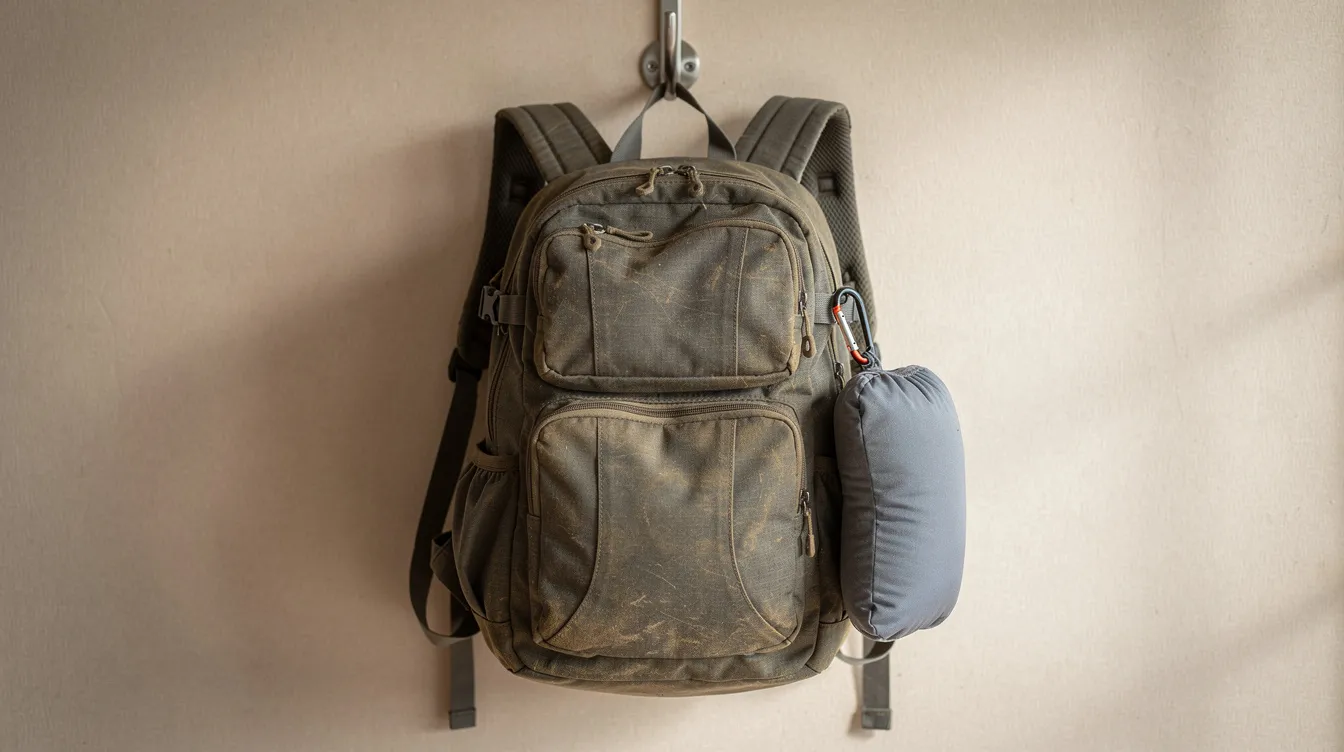
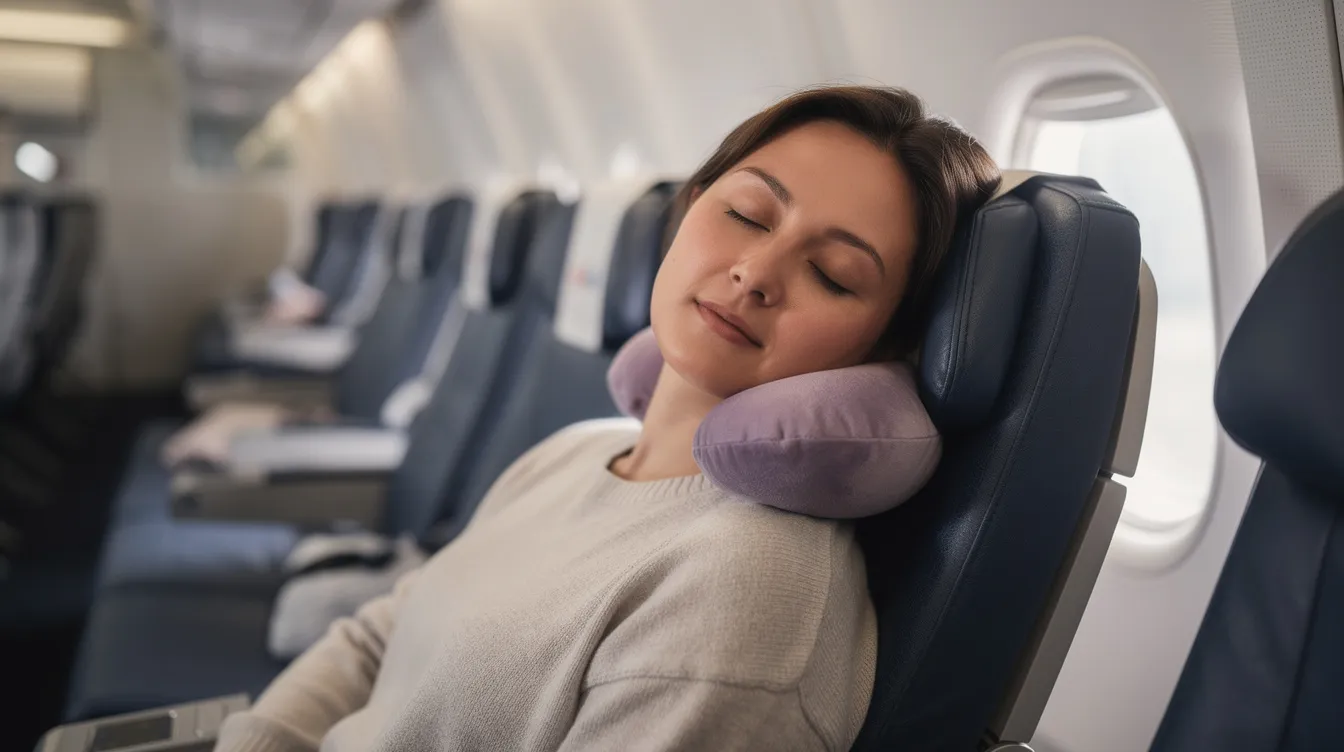
Clip-on methods allow pillows to attach securely to bag handles, which saves internal space. Many travel pillows have built-in loops or snaps; pair them with a carabiner and hang the pillow from a backpack loop or roller handle. This frees up room inside without adding weight. Many airlines do not count a worn neck pillow as a carry-on item, so wearing it around your neck through the gate is another way to keep interior space clear.
Whichever method you choose, the pillow should either protect other items by acting as padding or occupy space that would otherwise go unused. That way it earns its spot in your bag.
Where to Put Your Pillow in (or on) Your Carry-On
Placement matters as much as pillow type. A smartly placed pillow can protect your gear and free up room, while a poorly placed one just creates chaos.
Placing a pillow at the bottom or along the edges of a suitcase maximizes space. A flatter pillow-deflated inflatable or compressed foam-can line the back panel of a roller bag and create a cushioned base under packing cubes or folded clothes. This also adds a warm, padded layer that protects anything resting on top. A compact U-shaped pillow can slide into the side or front pockets of a backpack, wrapping naturally around other packed items thanks to its curved shape.
You can also use a pillow as a soft shell around fragile items like cameras, souvenirs, or small electronics. Wrap the item in the pillow, place it in the center of your bag, and let the fill absorb shocks. Pillow-specific travel bags help reduce volume and protect pillows when you need an extra layer of separation. Packing an empty pillowcase with clothing can save space too-just fold it flat between shirts and pull it out when you need a fresh cover at your destination.
For external attachment, hang the pillow from the telescoping handle of your suitcase, clip it to daisy-chain loops on a travel backpack, or simply wear it at gate time. Wearable travel pillows can be carried without counting toward baggage limits on many carriers, so check your airline's policies. On overhead-bin-only flights, keeping the pillow in an easy-access pocket lets you grab it before stowing your carry-on without blocking the aisle.
Keeping Your Pillow Clean While It Lives in Your Carry-On
A pillow tucked inside a carry-on touches shoes, overhead bins, and airport floors. A basic plan to keep the pillow clean protects your skin and extends the pillow's life.
Start with a removable, washable cover. Travel pillows often come with washable covers that you can pull off and toss in a gentle machine cycle after each trip. Using a travel pillow protector keeps your pillow clean underneath, and packing an extra pillowcase helps maintain cleanliness on longer trips so you can swap mid-journey without washing the whole pillow. You can wash pillowcases weekly and store them with your regular pillow at home between travels.
Dedicate a lightweight drawstring pouch or fabric sack to the pillow. Proper storage prevents pillows from getting dirty during travel, especially when the pillow sits near shoes or toiletries. For inflatable travel pillows, wipe the deflated bladder down, let it dry fully, and then seal it back into its storage pouch before packing.
Good cleaning habits let you comfortably reuse the same pillow across flights, road trips, and hotels without worrying about hygiene. Compression bags can significantly reduce pillow size for packing while also acting as a barrier against dirt and moisture.
Tailoring Your Pillow Strategy to How You Travel
The right packing method shifts depending on whether you are flying with only a carry-on, combining checked luggage with a personal item, or heading out on road trips. Airlines have their own policies regarding dimensions and number of carry-on items, so verifying size limits before you pack avoids surprises at the gate.
For carry-on-only air travel, prioritize compact pillows-inflatable, microbead, or mini travel pillow designs-and pack them in side pockets or attach them externally so they do not compete with clothes and electronics. Travel pillows can help prevent neck strain and discomfort on a long haul flight, making the small space investment worthwhile. For trips with both a carry-on and checked luggage, put a larger or full size pillow in the checked bag using compression bags, while keeping a smaller good travel pillow in the carry-on for in-transit comfort.
Road trips are different. A regular pillow or thick seat cushion can sit in the back seat or trunk, and you can still use compression bags if the car is packed. Train and bus travelers benefit from attaching a pillow to backpack straps or slipping it between their back and the seat for lumbar support during long journeys. Whether it is an overnight international flight with one carry-on, a weekend bus trip with a backpack, or a multi-day road trip with the family, the same pillow adapts to each mode when you match the packing method to the situation.
When a Mini Travel Pillow Makes the Most Sense
For frequent flyers and light packers, a smaller, purpose-built pillow often delivers the best balance of adequate support and saving space in a carry-on. Mini travel pillows weigh less, pack into side pockets or handbag compartments, and do not force you to sacrifice room for other travel accessories.
A mini microbead pillow can mold to your neck, lower back, or even act as a small cushion under your arm during rest, making it more versatile than a large, rigid U-shaped pillow. Something like the Travel Fanatics Mini Microbead Travel Pillow is designed to ride inside most carry-ons or clip to the outside, so travelers do not have to choose between proper support and packing space. These pillows are especially useful on short flights, bus rides, and everyday commuting because they can live in your bag full-time without feeling bulky. Downsizing the pillow itself is often the simplest way to keep a carry-on organized and light.
Putting It All Together for Your Next Trip
Packing a travel pillow in a carry-on without sacrificing space comes down to three decisions: picking the right pillow type, using smart compression or placement, and letting the pillow do double duty as padding or support. A pillow ensures better rest, consistent neck support, and a cleaner sleep surface-a big difference compared to relying on whatever an airline or hotel provides. That combination can transform your entire travel experience, especially when you stop treating the pillow as dead weight and start treating it as a tool.
Before your next trip, test the setup at home. Pack your carry-on, try different pillow positions, and walk around with the bag to make sure everything stays clean, organized, and manageable. Do not forget that the goal is not to squeeze every last item in-it is to travel with the comfort you need without the bulk you do not.


