
How to Store Dirty Clothes When Traveling (Without Ruining the Rest of Your Luggage)
Nobody talks about what happens after you wear the outfit. You plan your outfits, roll your shirts, maybe even pack light - and then by day three your suitcase smells like a gym locker. Here's how to store dirty clothes when traveling so your clean ones stay fresh and unpacking at home takes minutes, not willpower.
Key Takeaways
-
Separating dirty laundry from clean clothes prevents odors, moisture, and bacteria from spreading through your suitcase and staining your other clothes.
-
A dedicated travel laundry bag - foldable nylon, dual closure, roughly 22 × 21 inches open and 6 × 6 inches folded - is the simplest reusable solution for any trip.
-
Non-mesh packing cubes contain odors, compression bags save space, and shoe bags keep dirt and grime isolated from everything else.
-
Dryer sheets or a travel-size fabric spray add an easy layer of odor control after a few days on the road.
-
With a basic system (bag + cube + odor control), you can unpack in minutes without dreading the dirty stuff pile.
Why You Need a Plan for Dirty Laundry on Every Trip
After day two or three of any trip, underwear, socks, gym gear, and swimsuits start piling up. They mix with souvenirs, clean outfits, and whatever else is in your luggage. The problem compounds fast.
Dirty clothing transfers more than just smell. Sweat residues, sunscreen, sand, and bacteria deposit onto fabric and multiply over time through microbial metabolism, producing volatile organic compounds that cling to suitcase lining and adjacent clean clothes. Separating dirty clothes from clean gear is essential for odor control - and organizing dirty clothing prevents chaos in a suitcase during travel.
-
Deciding how you'll pack dirty laundry before you leave - not on night two in the hotel room - makes unpacking faster and far less unpleasant when you get home.
This matters especially on longer trips, cruises, and family vacations where the volume of dirty clothing gets big fast. The rest of this article walks through specific tools (laundry bags, packing cubes, plastic bags, dryer sheets, shoe bags) and simple routines you can copy.
Use a Dedicated Travel Laundry Bag (Our #1 Recommendation)
A travel laundry bag is a lightweight, reusable bag that lives in your suitcase and holds all dirty laundry in one place. It replaces the tangle of grocery bags and hotel plastic that most travelers default to.
The Travel Fanatics Travel Laundry Bag is a durable nylon bag that opens to approximately 22 × 21 inches but folds into a compact 6 × 6 inch pouch - roughly the size of your hand. At about 3.52 ounces, it adds almost nothing to your luggage weight. The dual-closure system (zipper plus drawstring) helps contain odor and keeps dirty clothing from spilling out in transit. A hanging travel laundry bag like this one blocks moisture and odors while keeping dirty clothes organized in one spot.

Key advantages:
-
Reusable and eco-friendly - replaces disposable plastic bags trip after trip, which matters for frequent travelers in 2026 and beyond.
-
Breathable fabric - using breathable bags allows moisture to escape and prevents mildew, unlike sealed plastic.
-
Ultralight nylon sacks like this compress easily and keep dirty items contained without adding bulk.
Use cases worth noting: keeping socks and undies from a 4-day city break separate, isolating damp swimsuits from a resort trip, or walling off sweaty gym clothes from business wear on a work trip.
Hang the bag on a hotel bathroom hook, a hotel closet rod, or a door handle so kids and travel companions automatically toss dirty stuff in the same place. Start each trip with the bag folded flat in your suitcase and "promote" it to a dirty laundry hamper as soon as you change out of the first outfit.
Smart Ways to Pack Dirty Laundry in Packing Cubes
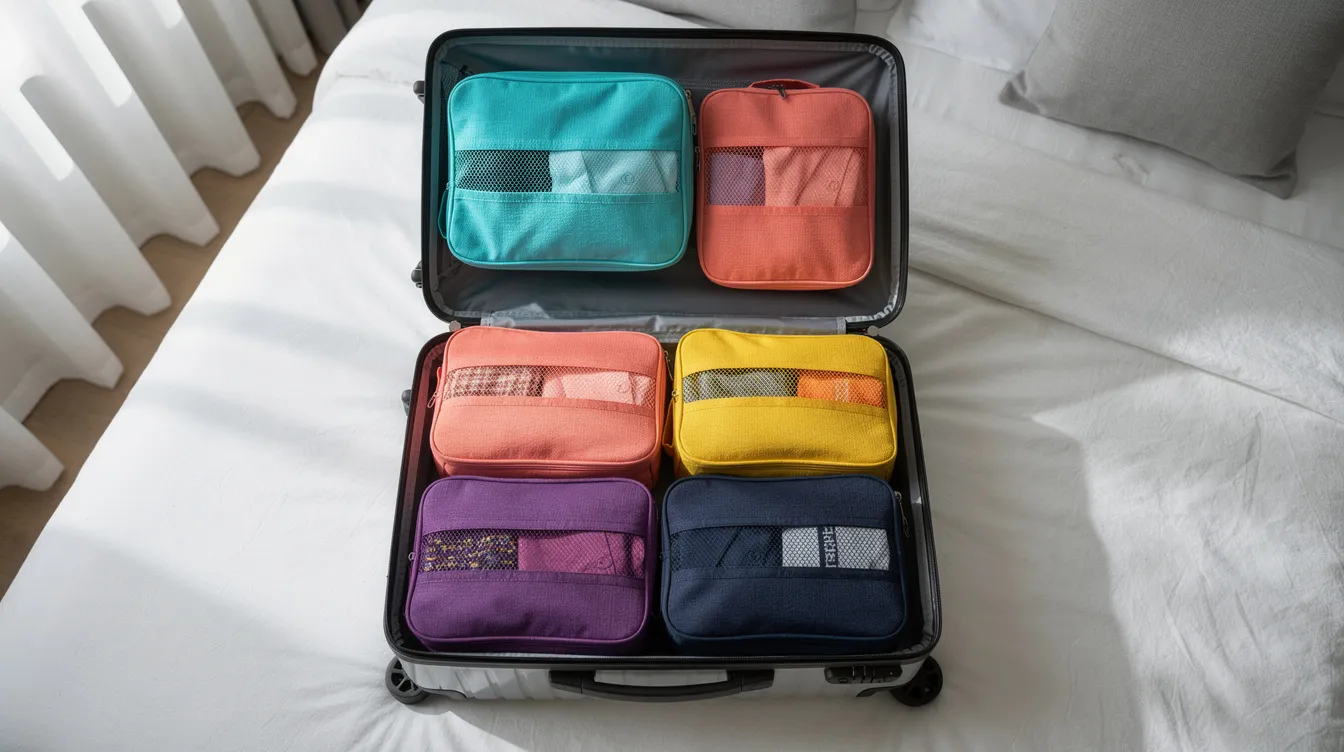
Packing cubes are fabric containers with a zipper that section your luggage into organized blocks. They're popular for carry-on and checked bags alike - but they also work well for dirty laundry storage if you choose the right type.
Use a separate packing cube for dirty laundry and avoid mesh packing cubes to contain odors effectively. Mesh laundry bags allow good ventilation for clothes but do not contain odors, so use mesh-free packing cubes instead. Use a different colored packing cube for dirty laundry - dark cube for dirty, light cube for clean ones - so nobody opens the wrong cube at checkout.
Compression packing cubes can flatten bulky items like jeans or hoodies once they're dirty and no longer need careful folding. Tests show compression bags can reduce volume by 50–80% for thick garments, while standard cubes give a more modest 10–20% reduction from organization alone.
A simple system:
-
Start the trip with the "dirty" cube empty.
-
As clothes are worn, move them into that cube.
-
Clean clothes stay untouched in their original cubes.
This method works especially well for backpack travelers or carry-on-only flyers who prefer not to carry a separate laundry bag. Just don't over-compress damp or sweaty items - trapped moisture leads to mildew. Let items air dry first.
Plastic Bags, Compression Bags, and When to Use Them
Plastic bags are not ideal long-term solutions, but they're cheap, widely available, and useful as backups on certain trips. A gallon-size ziplock works fine for smaller loads - underwear, socks, swimsuits - and sealing them keeps smells away from other clothes.
Dedicated travel compression bags work like jumbo ziplock pouches: you pack dirty clothing, seal, roll to squeeze out air, and end up with a flat, space-saving parcel. Compression bags can save space for dirty laundry and help reduce odor on the return leg of a trip when souvenirs have eaten into your suitcase space. Wet/dry bags serve a similar purpose and are both waterproof and odor-resistant.
Downsides to keep in mind:
-
Plastic bags can trap moisture and cause mildew if clothes are damp. Never seal soaking-wet items.
-
Waterproof bags are best for damp clothes, preventing mildew if sealed properly - but only after you've let items air out.
-
Compression can crumple fabrics badly, which matters for dress shirts or nicer clothing.
-
Single-use plastic creates more waste than a reusable laundry bag or packing cube.
Reserve plastic or compression bags for very short trips, rainy adventures, or emergency overflow when your main bag is full. Label them with a marker ("dirty – darks," "dirty – swimwear") so no one mistakes them for bags of clean clothing when repacking.
Keep Shoes, Shoe Bags, and Dirty Laundry Strictly Separate
Shoes carry dirt, city grime, mud, and street bacteria that you don't want anywhere near clean clothes or even your dirty clothing. Keep dirty laundry separate from shoes to prevent odor transfer - the combined smell can get intense fast.
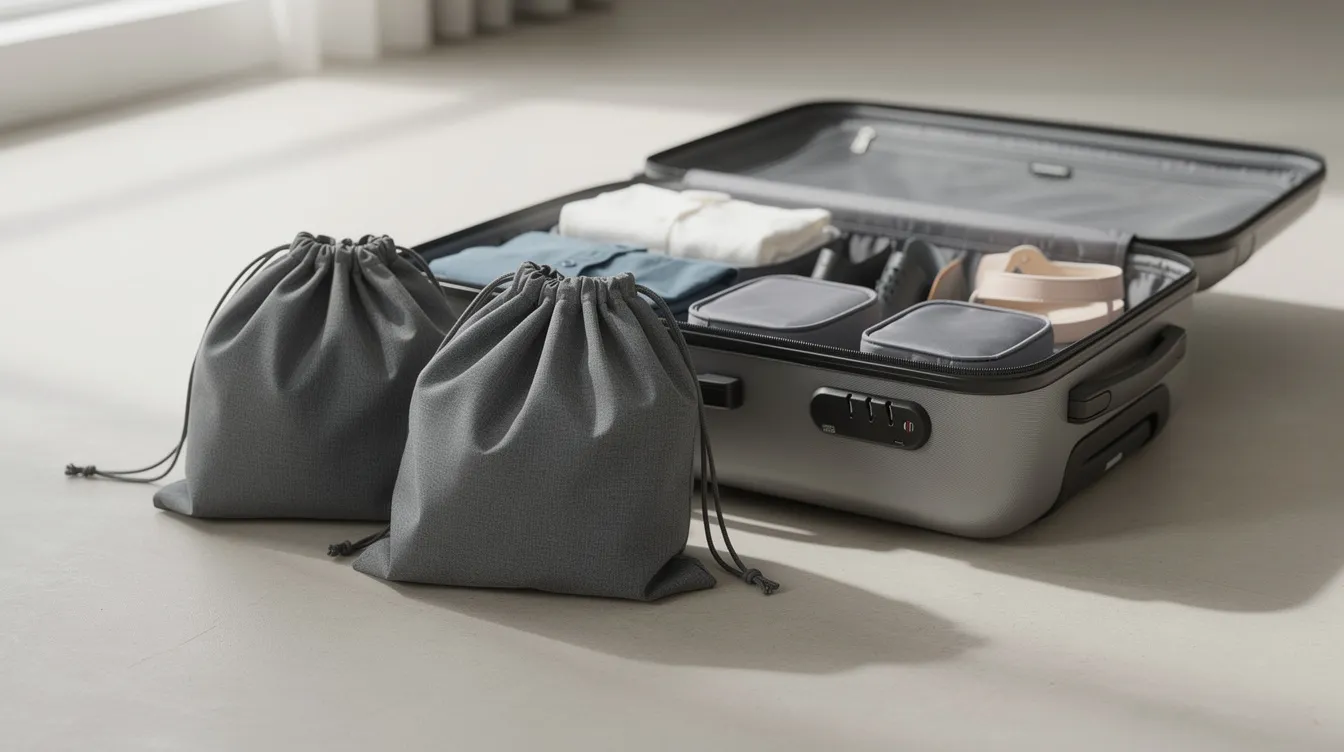
Use shoe bags (simple nylon or drawstring bags sized to a pair of sneakers or sandals) to keep soles contained. Shoes should have their own shoe bags and not share a laundry bag or packing cube with other items, even if it seems more efficient.
-
Stuff shoes with rolled socks or dryer sheets to help them hold shape and absorb odor while packed.
-
One concrete setup: one travel laundry bag for dirty clothes, one shoe bag per pair of shoes, all loaded together on one side of the suitcase for easy access.
On longer trips - a 10-day Europe itinerary, for instance - dedicate a specific suitcase compartment just to shoes and dirty laundry containers, leaving the rest for clean clothes.
Odor Control: Dryer Sheets, Fabric Sprays, and Quick Refresh Tricks
Even with a solid system, dirty laundry will eventually smell - especially in hot, humid destinations or on active trips. A few low-effort habits make a real difference.
-
Slip a couple of dryer sheets into your travel laundry bag or dirty-clothes packing cube. Dryer sheets can help neutralize body odors between washes and keep your suitcase from developing that "end of vacation" funk. Add dryer sheets to your dirty laundry cube for odor control and tuck extras into shoe bags for canvas sneakers that absorb sweat smells.
-
Carry a small, travel-size fabric spray to spritz clothes you plan to wear again - jeans, sweaters, jackets that aren't truly dirty yet.
-
Hang worn but not filthy items in the hotel bathroom or near a window overnight instead of immediately tossing them into the dirty pile. Air circulation slows bacterial growth.
One warning: don't rely on perfume or cologne to "cover up" dirty clothing odors. Layering scents usually makes things worse and can bother people with sensitivities.
Separate and Sort as You Go (So Laundry Day Is Easy)
Sorting dirty laundry during the trip - not at home after - saves time and makes the first post-trip wash cycle effortless. Using separate compartments can help isolate used garments by category.
A simple system using multiple travel laundry bags or small packing cubes:
-
One for lights, one for darks, optionally one for damp items like swimsuits.
-
Families can assign a bag per person (color-coded if possible) so kids and adults all know where their dirty clothes go.
On longer journeys with access to a laundromat or Airbnb washer, you can take the entire bag directly to the washer without sorting at the machine. Regular laundry stops during a longer trip can reduce packing requirements so you can pack light and bring fewer outfits. Travel detergent can facilitate washing clothes in a sink for quick hand-wash sessions - some soft travel laundry bags double as wash bags for underwear or delicates.
When you get home, remove the full laundry bag from your suitcase immediately and take it straight to the laundry room. Don't wait - odors linger in luggage fast.
Packing Dirty Clothes for Different Types of Trips
The "right" dirty laundry system depends on the trip. Here's a quick breakdown:
|
Trip Type |
What to Pack for Dirty Laundry |
|---|---|
|
Weekend (2–3 nights) |
One small travel laundry bag or non-mesh packing cube |
|
Week-long vacation / cruise |
Full-size laundry bag (22 × 21") + smaller bag for damp swimsuits or gym clothes |
|
Business travel |
Separate bags for dress shirts vs. sweaty gym gear - protect office wear from casual odors |
|
Backpacking / camping / road trips |
Tough nylon bags, easy to hang and quick-drying; a compression bag for more space on the return |
Pack a spare lightweight laundry bag or extra packing cube for the return journey. Shopping days and beach towels generate more dirty laundry than most travelers expect, and you don't want to throw overflow loose into your suitcase.
Brands like Eagle Creek and others offer cubes and bags across multiple price points - shop around, but prioritize durability and a non-mesh build for anything that will hold dirty stuff.
FAQ
How many travel laundry bags do I really need?
Solo travelers on a 3–5 day trip can usually manage with one standard-size travel laundry bag or a single non-mesh packing cube dedicated to dirty laundry. Couples or families should bring at least one full-size bag per two people, or one per person if you prefer laundry sorted by owner from the start. If you plan to wash underwear or other items mid-trip, a second bag keeps "washed and drying" clothes separate from the truly dirty ones.
What should I do with damp or wet clothes when I have to pack up?
Hang swimsuits or hand-washed items overnight so they're at least half dry before packing. Put still-damp items in a separate waterproof or plastic bag inside the main travel laundry bag to keep moisture away from dry dirty clothing. Unpack those damp items first once you reach your next stop - even a few hours in a sealed suitcase can produce mildew smells that are tough to remove.
Is it safe to put dirty laundry directly into my suitcase without bags?
Many people do this, but it's not ideal. Odors and bacteria can transfer onto the suitcase lining and any remaining clean clothes. Repeated contact with sweaty gym gear or wet swimsuits causes musty smells that are hard to remove from luggage over time. Use at least a simple laundry bag, packing cube, or plastic bag barrier - especially for underwear, socks, and workout clothing.
How do I keep my suitcase from smelling between trips?
Remove all dirty clothing and empty the travel laundry bag as soon as you get home. Wipe down the suitcase interior with a mild cleaner, then leave it open in a dry room for a few hours to air out. Store a couple of unused dryer sheets or a small open box of baking soda inside the closed suitcase between trips to absorb residual smells and keep things tidy.
Do I really need both packing cubes and a travel laundry bag?
You don't have to use both, but the combination helps. Packing cubes keep clean clothes organized and compressed, while a dedicated laundry bag holds all dirty clothing in one hangable spot. Some travelers prefer to designate one packing cube as their dirty laundry cube; others like a separate bag they can fold, hang in the bathroom, or carry to a sink for a quick hand wash. Test both approaches on a shorter trip and stick with whichever system makes laundry day easiest for you.