
How to Wash a Neck Pillow with Beads (Without Ruining It)
Figuring out how to wash a neck pillow with beads can feel like a daunting task. Unlike standard bedding, these pillows are filled with thousands of tiny loose beads that shift, leak, and clump if handled wrong. This guide walks you through every safe cleaning method - from quick spot cleaning to careful hand washing - so your pillow stays fresh and intact for your next journey.
Key Takeaways
-
Most microbead neck pillows should be gently hand washed or spot cleaned, not vigorously machine washed. If unsure about cleaning, spot cleaning is the least risky method for microbead pillows.
-
Always read the care label first, then decide between spot cleaning, light hand washing, or very delicate machine washing in a mesh laundry bag if explicitly allowed.
-
The safest drying process is to air dry the pillow flat in a well-ventilated area - never in a hot machine dryer, since extreme heat can melt or distort the plastic beads inside microbead pillows.
-
Microbead pillows behave differently than memory foam pillows: they need cold water or lukewarm water, mild detergent, and zero wringing or twisting to protect the micro beads and seams.
-
Hand washing in lukewarm water with mild detergent is the safest method for microbead pillows that need more than a surface wipe.
Why Bead-Filled Neck Pillows Need Special Care
A microbead pillow is filled with tiny polystyrene micro beads - usually under one millimeter - sealed inside a stretchy fabric shell made of nylon, spandex, or polyester. When you wash a microbead pillow the same way you'd wash a cotton pillowcase, you risk pushing beads against seams, flooding the interior with too much water, and deforming the shape that gives the pillow its excellent support.
It helps to understand where neck pillows fit in the broader market. Memory foam pillows account for 60–70% of the market, inflatable pillows represent about 10–15%, microbead pillows make up around 15–20%, and down-filled pillows account for roughly 5% or less. Each type demands different care. Foam absorbs water and can crumble. Inflatable pillows have valves that trap moisture. Microbeads are fluid and shift freely, meaning soaking or vigorous agitation can stress seams and cause bead leakage. This guide focuses on cleaning neck pillows with beads, but comparisons to memory foam pillows appear where helpful so you don't confuse care instructions.
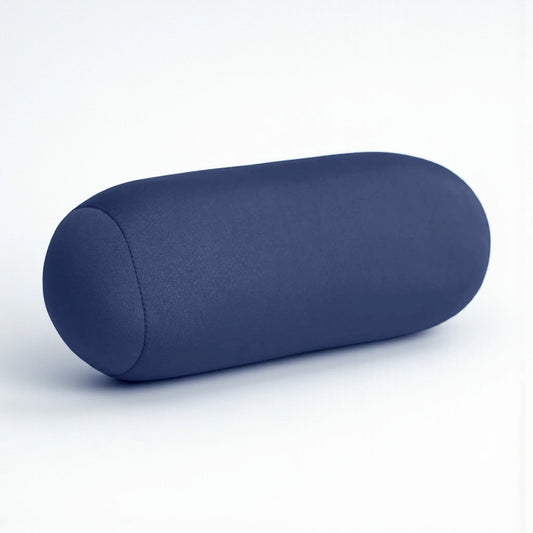
Spotlight: Travel Fanatics Mini Microbead Pillow
A good example of a bead-filled travel pillow is the Travel Fanatics Mini Microbead Pillow. This compact microbead bolster measures about 3.5 inches in diameter and 8 inches long, packed with tiny micro beads that flow to cushion the neck, lower back, knees, wrists, or shoulders. It's built for flights, road trips, couch lounging, and post-workout recovery.
The pillow has a soft, stretchy, non-removable cover with double-stitched seams to keep beads securely inside. Because the cover is sewn shut and the microbead filling is loose, this type of pillow should be cleaned using the gentle methods described below - spot cleaning and careful hand washing - rather than aggressive machine washing or a hot machine dryer. The pillow maintains its shape best when you treat it with the same caution you'd give any travel neck pillow filled with beads.
Check the Care Label and Pillow Construction First
The care label is your first authority. Manufacturers test which cleaning methods won't break seams, and the specific instructions on the tag reflect that testing. Common phrases include "spot clean only," "hand wash cold," "machine washable – gentle cycle," and "do not tumble dry." Each phrase narrows your options, so read them carefully before you touch water or soap.
Inspect the pillow itself. Check whether it has a removable cover - some microbead pillows may have removable and washable covers with a zipper, letting you wash the outside fabric separately. If the cover is sewn shut, examine the stitching for weak spots or small holes. Also remember that memory foam and microbead pillows often share similar outer fabrics, but the core is different, so never assume instructions for memory foam apply to microbeads. If no care label exists on an older travel pillow, default to spot cleaning and light hand washing in cool water. Dry cleaning is generally not recommended for bead-filled pillows either.
How to Spot Clean a Bead-Filled Neck Pillow
Spot cleaning is the best method when you need to remove stains - sweat marks, makeup, or spills - without submerging the entire pillow. It's the safest method and provides an effective clean for surface-level grime.
Gather your materials: a small amount of mild liquid detergent or mild soap, cool water, a soft cloth or clean cloth (white microfiber works well), a small bowl for the cleaning solution, and a dry towel. Mix a few drops of detergent into the bowl of water, dampen the cloth, and gently wipe the pillow's surface. Dab from the outer edge of the stain inward. The goal is to clean only the outside fabric - avoid saturating the shell so water doesn't flood the micro beads inside. You can also use spot cleaning to remove stains without committing to a full washing session.
After lifting the stain, rinse the area by wiping with a fresh damp cloth to clear any soap residue. Blot with a dry towel, then lay the pillow flat and let it air dry completely before your next use.

Gentle Hand Washing for Microbead Neck Pillows
When a neck pillow with beads smells musty or has multiple dirty spots, a full but gentle hand wash is the safest method. It delivers a more thorough cleaning than spot work while still protecting the microbead pillow enclosed inside.
Fill a sink or large basin with cool to lukewarm water and add a small amount of mild detergent. Avoid bleach and harsh chemicals when cleaning microbead pillows - they degrade synthetic shell fabric, fade colors, and weaken seams. Submerge the pillow just enough to work detergent through the outer fabric using gentle pressing and squeezing motions. Never wring, twist, or fold the pillow hard to prevent damage.
To rinse, drain the soapy water, refill with clean cool water, and press the pillow repeatedly until the water runs clear with no soap residue. Remove excess moisture by pressing the pillow between clean towels - again, no wringing. This keeps the bead distribution even and the seams intact. You now have a clean pillow ready for proper drying.
When (and How) a Bead-Filled Pillow Can Be Machine Washed
Microbead pillows should remain dry and are often not machine washable unless specified on the care label. Machine washing is the exception, not the rule. If the label does permit it, follow strict guidelines.
Use a delicate or hand-wash cycle with cold water, minimal spin, and mild detergent. Place the pillow inside a zippered mesh laundry bag to protect it during the wash cycle - use a mesh laundry bag to wash microbead pillows safely every time. Wash the pillow alone or with only a light item like a microfiber towel to reduce friction.
Even pillows rated for the washing machine should skip hot-heat drying entirely. Memory foam pillows are generally never machine washed at all, while some cotton or polyester neck pillows tolerate regular machine washing better - microbead pillows sit somewhere in between.
Safe Drying Process for Bead-Filled Neck Pillows
The drying process matters just as much as the wash. Improper drying leads to mildew, trapped odors, or warped seams.
Air dry microbead pillows to maintain their shape and integrity. Lay the pillow flat on a clean, dry towel in a well-ventilated area. Reshape it gently and flip periodically so both sides dry evenly. Avoid direct sunlight, which can degrade the stretchy shell over time - position the pillow in indirect light or a breezy indoor spot instead. Avoid machine drying microbead pillows to prevent damage; extreme heat from a tumble dryer can deform beads and split seams. If you must use a dryer and the care label allows it, select only a no-heat or air-fluff setting at low heat, and check frequently.
Small travel neck pillows or mini bolsters typically air dry in roughly 12–24 hours. Bulkier U-shaped neck pillows may take longer. Once the pillow is completely dry and fully dry throughout, try gently shaking and massaging it so the micro beads redistribute evenly, restoring support. Never use the pillow until it is dry completely - trapped moisture breeds mildew fast. You can also hang dry smaller pillows if airflow is good, though laying flat remains preferable.
Ongoing Hygiene: Disinfecting and Maintaining a Clean Neck Pillow
Frequent travelers use travel neck pillows on planes, buses, and in cars. Light but regular hygiene steps reduce how often deep washing is needed and keep your pillow fresh between trips.
Use a pillow cover or pillowcase whenever possible. Use a pillowcase to protect travel pillows from dirt and stains - even a simple cotton slip adds a washable barrier. If your pillow has a removable cover, wash it after each trip following its care instructions. For non-removable covers, gently wipe the surface with a fabric-safe disinfectant spray or antibacterial wipe applied to a clean cloth first. Avoid saturating the outside fabric so moisture doesn't reach the beads. This also helps clear dust and surface bacteria.
Store the pillow in a clean, dry place - a travel bag or zippered pouch works well. Avoid damp basements or hot car trunks where moisture and heat degrade fabric. Spot clean travel pillows after each use to prevent grime buildup, disinfect after each long journey, and wash microbead pillows every 2–3 months or after heavy use. Follow this rhythm and your pillow stays fresh, maintains its shape, and is ready for your next adventure.
FAQ
Can I wash a microbead pillow in hot water to kill germs?
Hot water can weaken the stretchy shell fabric on most microbead pillows and stress double-stitched seams, making bead leakage more likely. Cool water or lukewarm water paired with a mild detergent handles dirt effectively. For germ concerns, use a fabric-safe disinfectant spray on the pillow's surface after washing - it's far safer than cranking up water temperature.
Why can't I put my bead-filled neck pillow in a machine dryer?
High dryer heat can deform synthetic micro beads, damage the outer fabric, and increase the risk of seams splitting. The standard advice is to air dry only. If your care label specifically allows machine drying, use an air-fluff or no-heat setting and remove the pillow before it overheats. Traditional machine drying on a normal cycle is never recommended.
How do I know if my neck pillow has microbeads or memory foam inside?
A microbead pillow feels fluid and sandy when squeezed - beads shift quickly and the pillow changes shape instantly. A memory foam pillow feels solid, compresses slowly, and rebounds over a few seconds. Check the product packaging or tag for terms like "microbead," "EPS beads," or "memory foam" to confirm.
What should I do if the seam opens and micro beads start leaking?
Shake remaining beads away from the damaged area, then sew the seam closed with strong thread using small, tight stitches. If the tear is extensive or the cover is badly damaged, replacing the pillow is the safer choice for both hygiene and structural integrity. Leaked polystyrene beads also contribute to microplastic pollution, so contain them carefully.
Is it safe to use bleach or strong stain remover on a bead-filled pillow?
Chlorine bleach and heavy-duty stain removers weaken synthetic fibers like spandex and nylon, fade colors, and make seams more prone to bursting during washing. Stick with mild soap, cool water, and gentle spot cleaning or hand washing for a safe, effective clean that won't compromise your pillow's longevity.