
How to Wash a Travel Neck Pillow (Without Ruining It)
Travel pillows can accumulate sweat, oils, and germs quickly, especially after long journeys on planes, buses, and trains. The safest washing method varies based on the travel neck pillow's filling material. This guide covers every common type, with step-by-step instructions so your pillow stays fresh and lasts longer.
Key Takeaways
-
Avoid machine washing memory foam or microbead pillows. Only their removable covers belong in the washing machine.
-
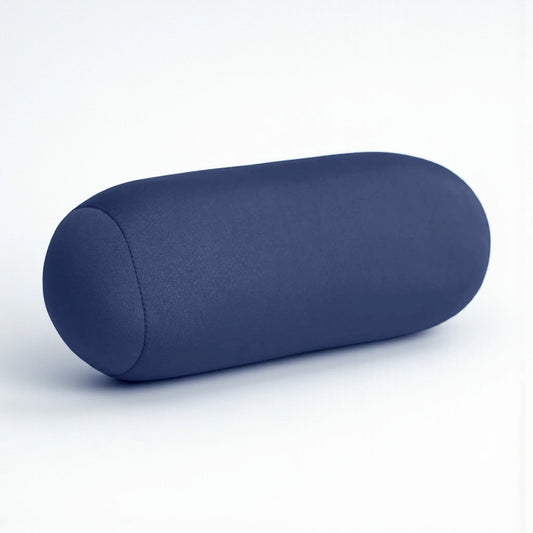
Hand wash microbead pillows (like the Travel Fanatics Mini Microbead Pillow) in lukewarm water with mild detergent, and air dry flat.
-
Memory foam should only be spot cleaned with a damp cloth; air dry memory foam pillows for 24 to 48 hours after cleaning.
-
Baking soda can absorb odors from memory foam pillows and fabric surfaces when sprinkled lightly and vacuumed off.
-
Always check the care label before washing travel neck pillows. When in doubt, hand wash and air dry.
Why Cleaning Your Travel Neck Pillow Matters
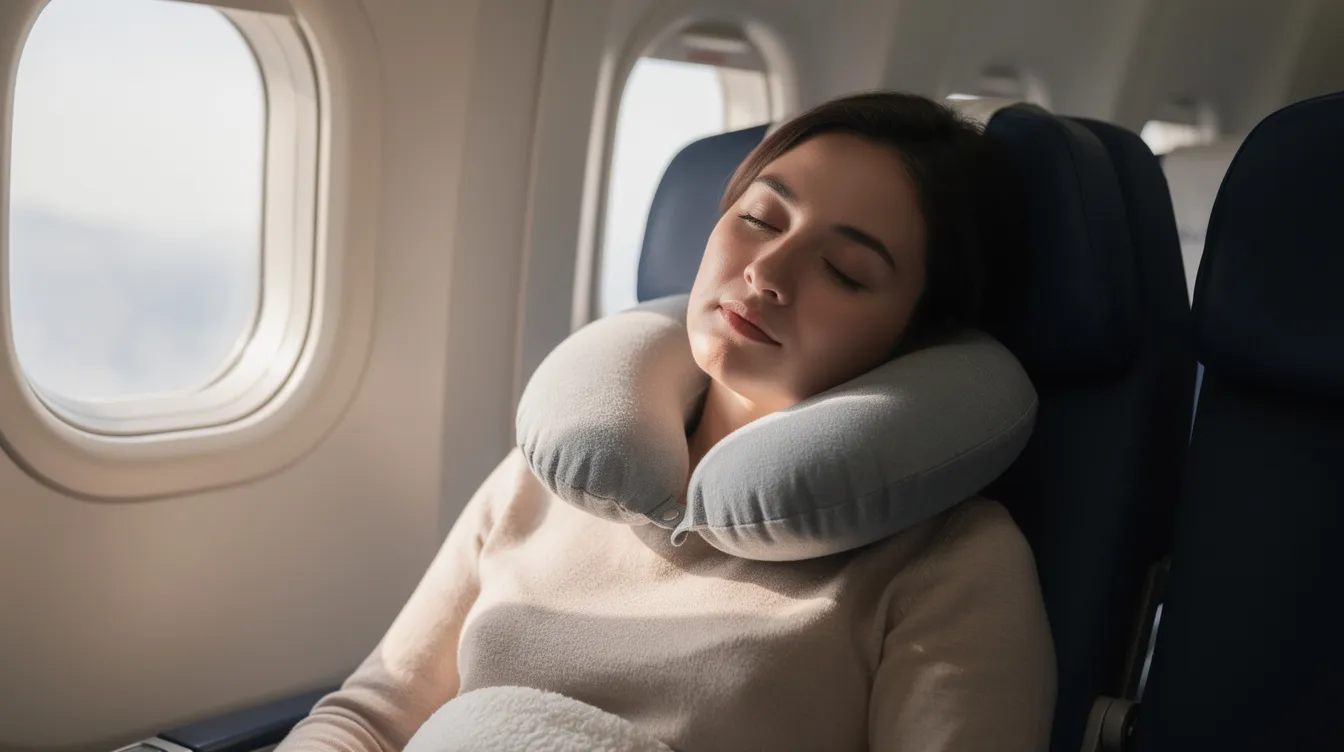
Neck pillows used on planes, road trips, and buses collect sweat, skin oils, saliva, and airborne microbes from repeated trips. These substances soak into fabric and filling, causing stains, odors, and potential skin breakouts. Regular cleaning reduces allergens and bacteria on pillows, keeping the surface comfortable against your skin.
Memory foam pillows can harbor odors and bacteria if uncleaned. A grimy, stiff fabric cover also reduces the softness and support your neck pillow was designed to deliver, sometimes contributing to post-trip neck pain. Cleaning travel pillows every 2 to 3 months is recommended for hygiene, but lighter maintenance after each trip prevents buildup from becoming a problem in the first place.
Identify Your Travel Neck Pillow Type First
The way you wash a neck pillow depends entirely on its filling and whether it has removable covers. Here is how each type breaks down:
|
Pillow Type |
Market Share |
Key Trait |
Machine Washable? |
|---|---|---|---|
|
Memory foam |
60–70% |
Dense, slow-rebounding foam; provides pressure relief and excellent support |
No (cover only) |
|
Microbead |
15–20% |
Tiny polystyrene beads; squishy, moldable, lightweight |
Only if label permits |
|
Inflatable |
10–15% |
Plastic or TPU bladder; deflates for packing |
No (wipe only) |
|
Down / synthetic fiber |
~5% |
Soft fill like a mini bed pillow |
Usually yes |
Memory foam accounts for 60 to 70% of the travel pillow market. Memory foam pillows provide pressure relief and support for your sleeping position on long flights, but the open-cell foam structure retains moisture and breaks down with agitation. Microbead pillows make up around 15 to 20% of the market and shift freely under touch. Inflatable pillows represent about 10 to 15%, and down-filled pillows account for roughly 5% or less.
Always check the care label, brand website, or product page if you are unsure which category your travel neck pillow falls into.
How to Wash a Microbead Travel Neck Pillow (Including the Travel Fanatics Mini Microbead Pillow)
Microbead pillows are lightweight and provide a snug fit around your neck, but they can leak or deform if washed too aggressively. The Travel Fanatics Mini Microbead Pillow is a good example: its 100% polystyrene bead fill is non-absorbent, but the seams and outer fabric need gentle treatment to stay intact.
Hand wash steps:
-
Fill a basin or sink with lukewarm water and a small amount of mild soap.
-
Submerge the microbead pillow gradually.
-
Gently squeeze 5 to 10 times so beads shift and water moves through the fill.
-
Rinse repeatedly with cool water until the water runs clear and no soap residue remains.
-
Never twist, wring, or aggressively fold the pillow; this stresses seams and causes bead leakage.
Machine-wash microbead pillows only if permitted by the care label. If allowed, place the pillow inside a mesh laundry bag, select the gentle cycle, and use cold water with gentle detergent. Travel Fanatics recommends washing alone or with very lightweight items, and warns that warm or hot water damages microbeads.
Drying: Press out excess water by rolling the pillow in a dry towel. Remove excess water gently from the pillow without wringing or twisting it. Lay flat in a well-ventilated area and flip occasionally. Machine drying is off limits; heat causes beads to melt and fabric to shrink. Between full washes, gently wipe the surface with a damp cloth and air dry naturally for several hours to keep lingering smells away.

How to Wash a Memory Foam Travel Neck Pillow Safely
Memory foam pillows are popular for neck pain relief on long journeys, but the memory foam core should almost never be machine washed. Agitation and spin cycles tear open cells, flatten support, and shorten the pillow's life. The Sleep Foundation warns against putting foam cores in washers or dryers.
To wash a travel neck pillow with a memory foam core, remove and machine wash the outer cover on a gentle cold cycle with mild detergent. Wash removable covers in cold water on a gentle cycle, then air dry completely. Avoid bleach or fabric softener when washing pillow covers; both leave residue that stiffens fabric and irritates skin.
Spot cleaning the memory foam core:
-
Mix cool water with a small amount of mild detergent or dilute white vinegar.
-
Dab small stains with a soft cloth or microfiber cloth. Spot clean small stains with mild detergent and a cloth rather than soaking the foam.
-
Memory foam should be spot-cleaned only with a damp cloth. Do not saturate or scrub.
Baking soda helps with odors as a light surface sprinkle; let it sit 20 to 30 minutes, then vacuum with an upholstery attachment. Do not rub baking soda deep into the memory foam core, because trapped powder combined with moisture leads to mold or worse odor over time.
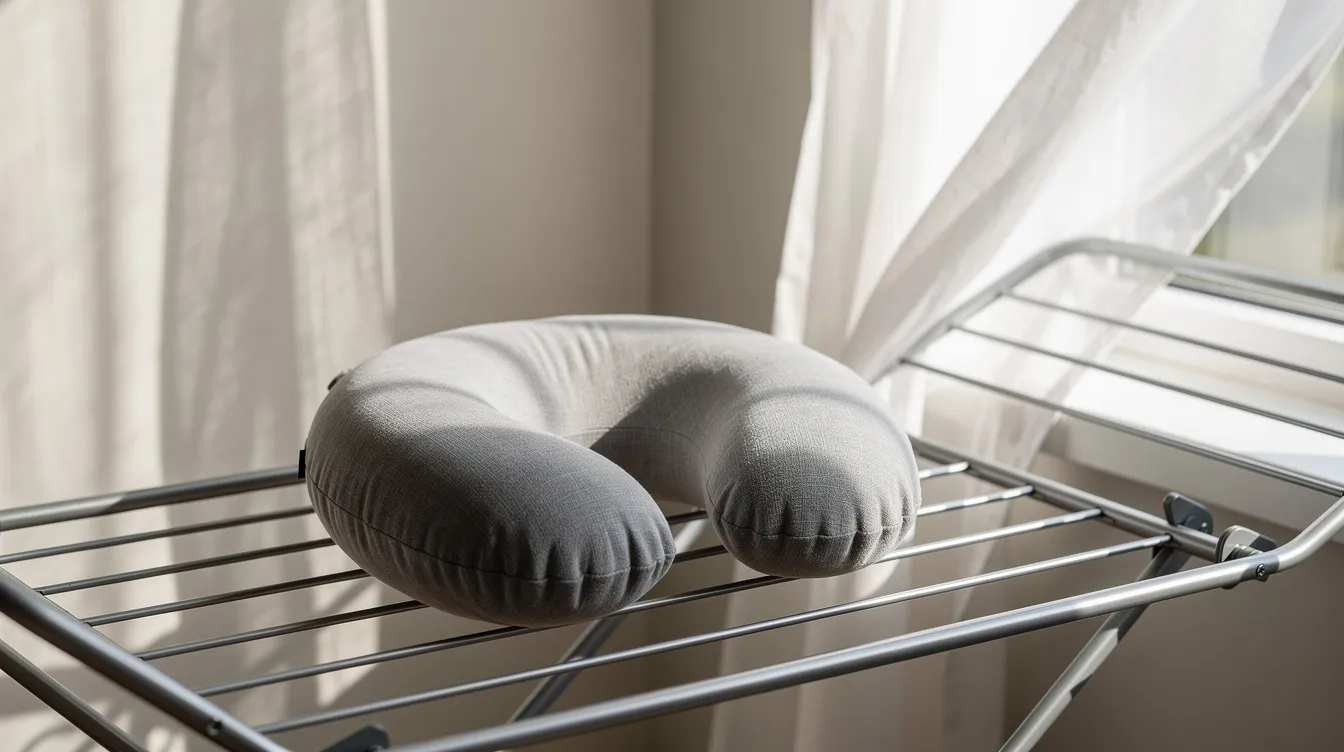
Drying: Air dry memory foam pillows for 24 to 48 hours after cleaning. Place on a flat rack in indirect sunlight or a breezy room, flipping every few hours. Avoid direct sunlight for extended periods; UV degrades foam. Never tumble dry or expose the core to heat sources. Don't store or use pillows until they are completely dry to prevent mildew.
How to Clean Inflatable Travel Neck Pillows
Inflatable travel neck pillows are the easiest to keep clean because only the outer shell contacts skin. The plastic or TPU bladder inside rarely needs more than a surface wipe.
Close the inflation valve tightly on inflatable pillows before cleaning, then deflate the pillow fully. Inflatable pillows should be hand washed with mild detergent: dip a clean damp cloth in warm water with a drop of mild soap, then gently wipe the areas that touch your neck and face. Pay attention to chin and jaw contact zones, which collect natural oils and sweat.
Rinse by wiping with a separate damp cloth to remove soap residue. Pat dry with a towel. Let the inflatable pillow air dry flat or in a well-ventilated area away from direct heat. Keep it away from heaters and direct sunlight that can warp plastic and weaken valve seals. If your inflatable pillow has a removable fabric cover, that cover can generally go in the washing machine on cold with a gentle cycle; check the care instructions first.
Washing Down, Synthetic Fiber, and Other Machine-Washable Travel Pillows
Some travel neck pillows are filled with down or synthetic fiber, and these are the most forgiving in a washing machine. Consumer Reports advises washing two pillows together to balance the drum when possible.
Machine wash cycle setup:
-
Use cold water or warm water (never hot) on a gentle cycle with mild detergent.
-
Avoid bleach or fabric softener when washing pillow covers and fill.
-
Add an extra rinse to the wash cycle to remove all detergent; leftover soap residue stiffens fill and irritates skin.
For down-filled travel pillows, use a front-loading washer, down-specific detergent, and a low setting spin speed to protect feathers from clumping. Many fiber and down pillows can go in the dryer on low heat with clean tennis balls or dryer balls to restore loft. Always check the care label first; some covers shrink at higher temperatures. Even machine washable travel pillows lose shape and softness if washed too frequently, so limit full washes to every 2 to 4 months under normal use.
How to Wash Travel Neck Pillows Without Removable Covers
Many U-shaped neck pillows sold in airports and gift shops have no zipper and non-removable covers. This makes proper care more challenging but not impossible.
Gentle hand washing is the safest approach: soak just the fabric exterior in lukewarm water with a small amount of mild soap, and gently press water through the pillow. Do not wring or twist. For a compromise method, spot clean visible marks with gentle detergent and a damp cloth, then disinfect with a fabric-safe spray and let the pillow air dry naturally for several hours.
Machine washing a pillow without a removable cover is risky: seams can burst, fillings can clump, and microbead pillows can leak. If you own a matching set and want to test, try one pillow first. Pillows used heavily on long-haul flights and road trips with non-removable covers degrade faster. Replacement after a couple years of frequent use is sometimes cheaper and healthier than repeated deep-cleaning attempts.
Drying and Deodorizing: Getting Rid of Moisture and Odors
Moisture trapped in pillows can lead to mildew growth, odor, and structural damage to foam or beads. Thorough air drying is non-negotiable.
Air dry basics: Let travel neck pillows air dry flat or in a well-ventilated area away from direct heat. Place them on a clean towel, turning every few hours. Avoid direct, harsh sunlight that can fade fabric or overheat memory foam. A few hours of indirect sunlight helps freshen fabric without UV damage.
Baking soda: Sprinkle lightly on outer surfaces, let sit 20 to 30 minutes, then vacuum. Baking soda can absorb odors from surfaces and covers, but keep it off damp foam interiors.
White vinegar: Add half a cup to a rinse cycle for washable covers, or dilute in a spray bottle for a light misting on non-foam surfaces. Follow with complete air drying in a well-ventilated area.
For frequent travelers, air out your neck pillow after every trip by hanging it in indirect sunlight for a few hours, even when you have not washed it. Store pillows in a clean, dry place to prevent mildew.
How Often to Clean Travel Neck Pillows (By Material and Usage)
Frequency depends on material, trip count, and whether you use the pillow for everyday naps or strictly for long journeys.
-
Removable covers: Wash the cover after every trip, or at least every 1 to 3 trips. Monthly if used on commuter trains or buses.
-
Memory foam cores: Spot clean every 2 to 3 months; more often if visibly stained or if odor appears.
-
Microbead cores: Full hand wash every 3 to 6 months. Beads retain less moisture than foam, so they can go longer.
-
Inflatable pillows: Wipe and disinfect after every few uses. The plastic surface does not absorb oils like fabric.
-
Frequent flyers: Wash covers after each long flight. Refresh cores at least once a quarter to keep your pillow in usable condition.
Quick Maintenance Tips to Keep Neck Pillows Cleaner Between Washes
-
Use a washable pillowcase or slipcover over your travel pillow, especially memory foam and microbead pillows, to catch sweat, makeup, and natural oils before they reach the fill.
-
Keep pillows off airport floors and dirty bus seats. Clip them to a bag or store in a clean pouch when not around your neck.
-
After long flights, gently wipe down your neck pillow with a travel-size fabric-safe disinfectant spray or antibacterial wipe, then let it dry completely before packing.
-
Air out all travel neck pillows for a few hours after each trip in a dry, shaded place before storing them.
-
Replace very old, flat, or musty pillows rather than trying to rescue them. A pillow that has lost its shape no longer provides the right pillow support for a comfortable journey, and the cost of a new one is low compared to sleeping poorly on your next adventure.
FAQ
Can I put my travel neck pillow in the washing machine?
Only some neck pillows can safely go in a washing machine. Synthetic fiber-filled or pillows clearly labeled machine washable are generally safe on a gentle cycle with cold water. Avoid machine washing memory foam or microbead pillows; instead, machine wash only their removable covers using mild detergent. Always check the care label, and when in doubt, default to hand washing and letting the pillow air dry.
How long does it take a travel neck pillow to air dry?
Dense memory foam needs 24 to 48 hours in a well-ventilated area. Microbead and fiber-filled pillows typically dry in about 24 hours. Inflatable pillows dry within a few hours after wiping. Plan ahead: wash travel pillows at least two days before a trip so they are completely dry and ready for your next flight or road trip.
Is it safe to use baking soda on all types of travel pillows?
Baking soda is safe on removable covers and outer fabric surfaces when used lightly and vacuumed off afterward. Do not rub baking soda deep into memory foam cores. Trapped powder combined with any residual moisture creates conditions for mold rather than solving odor problems. Use it on surfaces only, and always vacuum thoroughly.
What should I do if my pillow has no care label?
Treat unlabeled neck pillows as delicate. Avoid the washing machine and dryer. Instead, rely on gentle hand washing and spot cleaning. Identify the filling by feel: memory foam is dense and rebounds slowly, microbead pillows shift and crinkle, inflatable pillows flatten when air escapes, and fiber fill feels fluffy. Match the filling to the closest instructions in this guide and clean the pillow regularly using the gentlest method available.
How do I disinfect a travel neck pillow used on airplanes?
Wash the removable cover in warm water with mild detergent after the flight, then air dry completely. For the core, wipe with a soft cloth lightly dampened with a mild soap solution or fabric-safe disinfectant, then allow it to air dry in a ventilated space. Gently shaking the pillow outdoors before wiping helps dislodge surface debris. This routine keeps your pillow fresh and ready for your next adventure without risking water damage to delicate fills.