
What to Pack for a Fall Weekend Trip: 3-Day Packing List
How to Pack Smart for a 3-Day Fall Getaway
There is something about a fall weekend trip that feels different from every other season of travel. The air is crisp, the leaves are shifting, and the whole world seems to slow down just enough to make a short getaway feel significant. But the weather can be a bit unpredictable, and that unpredictability tends to make people stuff their bag with clothes they never end up wearing.
This guide is a realistic, no-nonsense packing list for a 3-day fall weekend. It is built for cooler temperatures, changing conditions, and the kind of trip where you want to spend your time exploring rather than rummaging through an overstuffed suitcase. Everything here fits in a carry on plus a personal item. You will find practical advice on clothing and layering, shoes, toiletries, weather essentials, tech and travel comforts, and a small section on optional extras that are actually worth their space. The idea is to help you prepare a comprehensive packing list before your upcoming trip so that nothing important gets left behind and nothing unnecessary comes along.
Whether you are heading to a mountain cabin, a charming small town, or a city break with friends, this framework will keep you warm, organized, and ready for whatever the season throws at you.
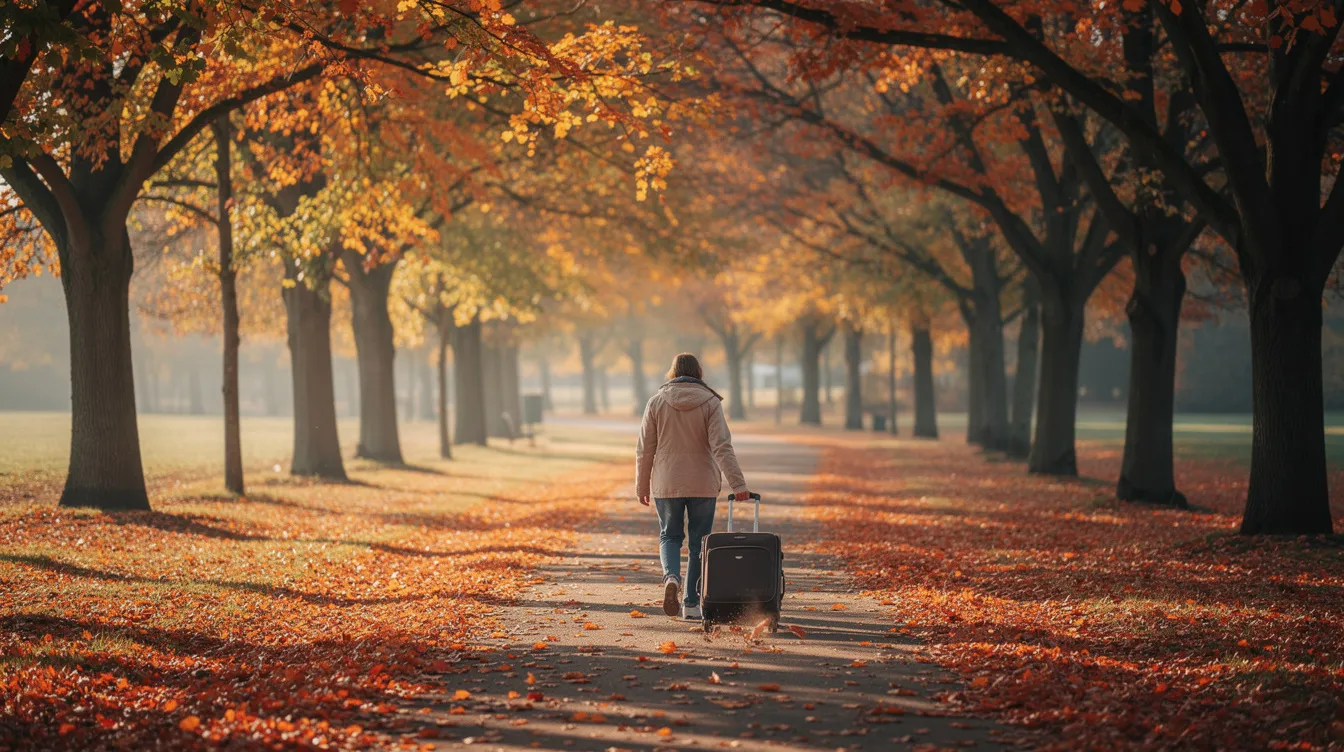
The Golden Rule: Pack Light for Three Days, Not a Full Week
The single biggest mistake most travelers make on a short fall trip is packing for hypothetical situations instead of actual plans. A full weekend does not require a full wardrobe. Three days is a short enough window that you can wear your jeans twice, re-layer that sweater without a second thought, and still look and feel put together.
Here is the thing: fine-gauge merino wool, for instance, resists odor naturally and can be worn several times between washes without anyone noticing. That alone eliminates the need for packing a fresh top for every outing. Sweaters, outerwear, and bottoms all fall into the same category of items that earn their keep through multiple wears on a short trip.
Two pairs of shoes are usually enough. More than that, unless your itinerary involves a formal dinner and a mountain trail on the same day, is likely overkill. Even for long trips, this same 3-day framework can be repeated with a quick round of laundry rather than adding more bulk. Set a firm limit for yourself: one carry on bag and one personal item. That constraint alone forces smarter decisions and a more enjoyable, stress-free trip. Years ago, many travelers decided that overpacking was just part of the deal, but the truth is the opposite. Packing light is what makes a great trip feel effortless.
Choosing Your Bag: Carry-On and Personal Item Strategy
For a 3-day fall trip, you have two solid options for your main bag. A small rolling carry on works well for flights and protects structured items like shoes and toiletries. A weekender duffel is lighter and more flexible for a car trip or train ride. Your choice depends on how you plan to move.
Most U.S. airlines allow carry-on bags up to 45 linear inches (length plus width plus height), with a personal item that fits under the seat in front of you. That personal item, whether it is a compact backpack or a structured tote, should hold your wallet, phone, a book, snacks, and any layers you want easy access to during transit.
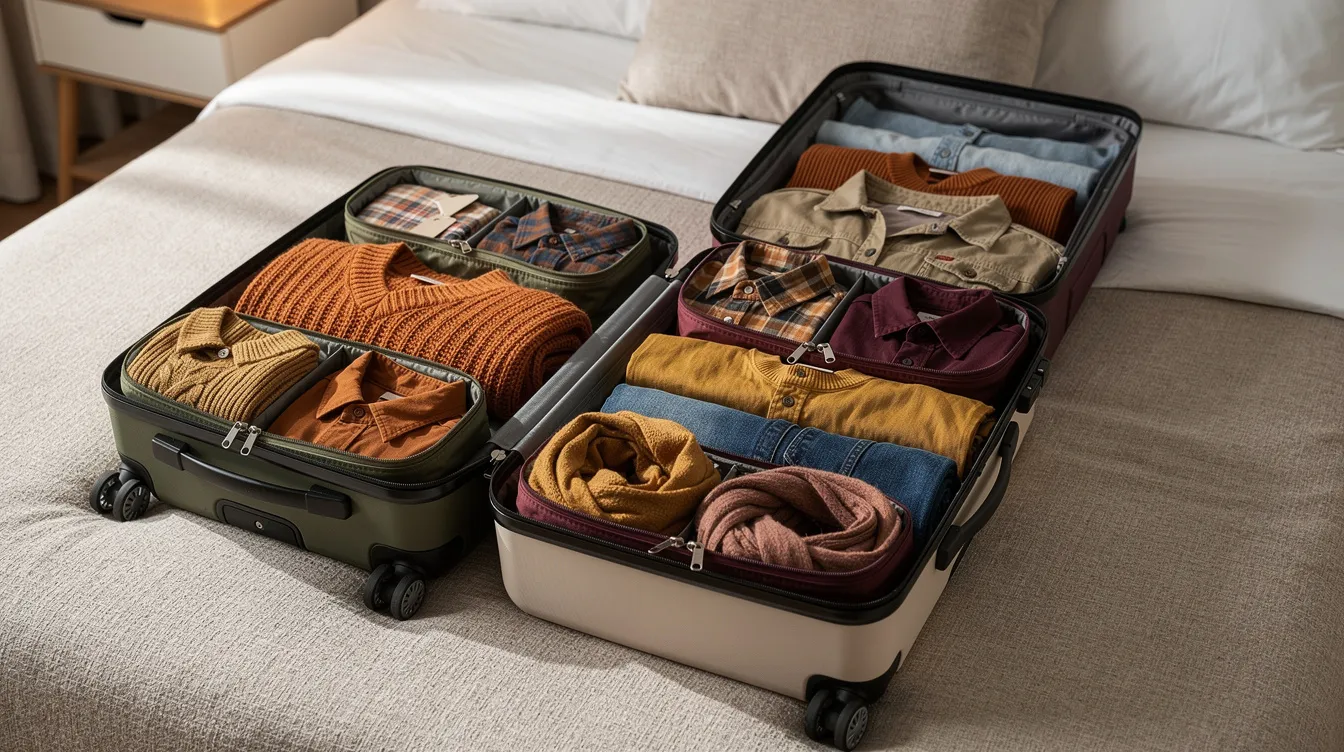
Inside the main bag, packing cubes make a real difference. They group your outfits, compress bulkier layers, and keep everything tidy so you are not digging through a pile of clothes at the hotel. This setup works equally well for a city break, a small road trip, or a short backpacking trip with indoor overnights. It is the same gear whether you are exploring New England foliage or spending a full weekend wandering around a new destination.
Core Clothing: Base Outfits for a Fall Weekend
A practical 3-day clothing capsule does not need to be complicated. The goal is a small collection of pieces that all work together: two tops, one sweater, one pair of jeans, and one pair of lighter pants or leggings. If your style calls for it, swap one top for a casual dress or an extra layering piece. That is the entire clothing plan for a fall weekend.
Select versatile clothing that can be layered, mixed, and matched around a simple color palette. Two neutral tones and one accent color is a reliable approach. Think navy, grey, olive, or cream. Dark neutrals also hide dirt more easily, which matters when you are wearing the same pair of jeans for two out of three days.
Choose wrinkle-resistant, breathable fabrics that feel comfortable for a long walk through town, lunch at a cafe, or a casual dinner. Cotton-blend knits, lightweight twill, and performance fabrics all travel well. The clothes you bring should feel like a capsule wardrobe rather than a shopping list of separate outfits. And here is a tip that saves serious space: wear your bulkiest items while traveling. Jeans on, heaviest top on, walking shoes on your feet. That alone can free up half your bag for everything else.
Layering for Fall: Warmth Without Bulk
Fall weather can swing from warm afternoons to chilly nights, sometimes within the same day. Across much of the continental U.S., fall temperatures average between 50 and 75°F, but mornings and evenings can dip well below that range. Layering allows for adjustments in temperature from roughly 8°C to 20°C without needing to carry a heavy coat for every scenario.
The proven approach is a three-layer system. Your base layer sits next to the skin and should be made of breathable, moisture-wicking fabric like merino or a performance blend. Breathable base layers help keep travelers dry during outdoor activities and prevent that clammy feeling when you step from a warm cafe into cool air. Base layers should include moisture-wicking thermal tops and leggings if your plans involve early morning hikes or extended time outdoors.
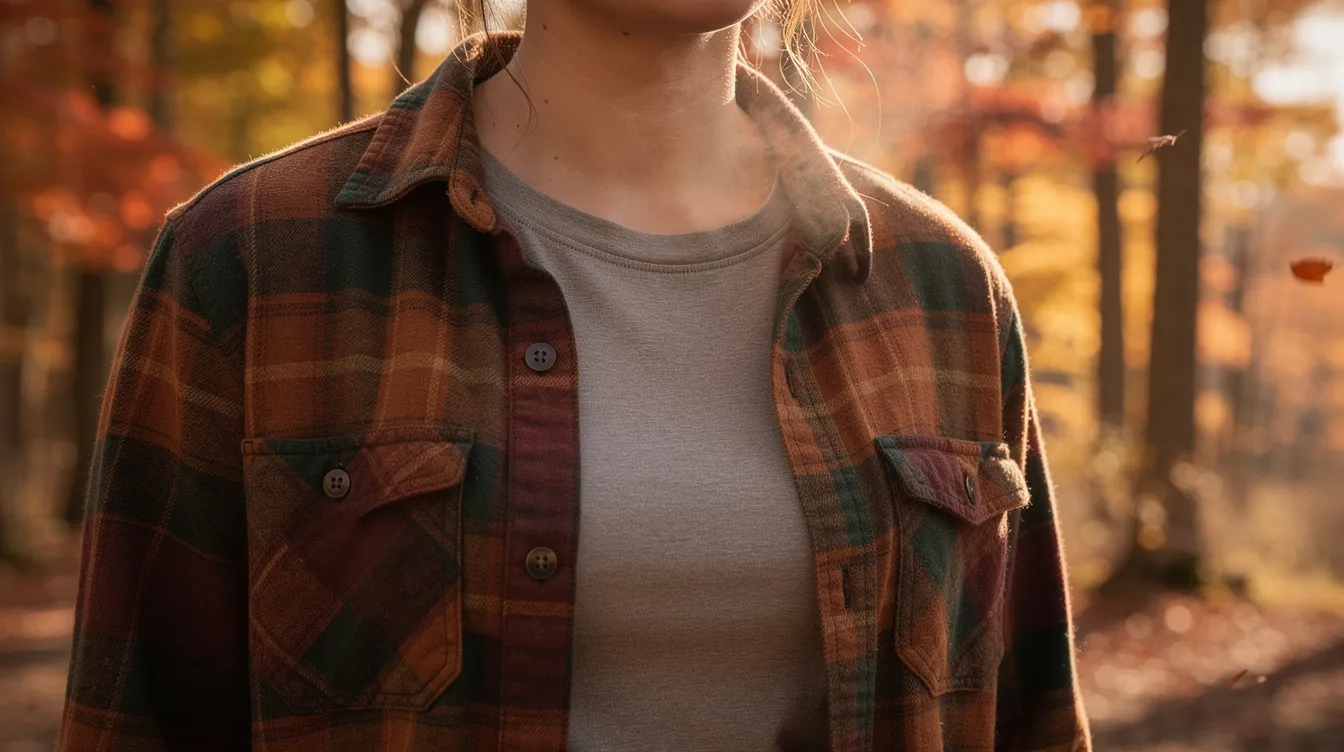
Mid layers provide core warmth. This is where a fleece pullover, a lightweight sweater, or a cotton flannel earns its place. These pieces trap heat without adding excessive bulk, and they can be removed easily when the afternoon sun warms things up.
The outer layer handles wind and rain protection, which we will cover in the next section. The key to the whole system is that each piece fits comfortably over the one beneath it, so you can add or remove as temperatures change throughout the day.
Pack layers for varying temperatures in fall, and lean toward lightweight, packable layers whenever possible. Fine merino wool under 19 microns is a standout choice because it provides warmth without itch, manages moisture, and resists odor across multiple wears. That is exactly the kind of fabric that lets you pack light without sacrificing comfort.
Outerwear: The Right Jacket for a Fall Weekend
Your outer layer is the most important single piece in a fall pack. One main jacket is all you need, and it should be a lightweight insulated jacket or a lined utility jacket that handles cool, breezy conditions without weighing you down. Outer layers should be wind-resistant and waterproof for fall weather, so look for features like sealed seams, a DWR (durable water repellent) finish, and a hood if possible.
If rain is in the forecast, choose a waterproof jacket for rainy destinations. A waterproof shell with a hood lets you layer a fleece or sweater underneath for warmth while keeping you dry. A waterproof shell is essential for destinations with unpredictable autumn weather, whether that is the Pacific Northwest, the Ardennes, or coastal New England. Include a waterproof jacket for rainy days and you will not have to worry about a sudden downpour ruining your afternoon.
There is usually no need for a heavy winter parka on a typical fall weekend unless you are traveling somewhere unusually cold or at high elevation. Save that for the season ahead. Instead, pick a jacket that looks good with both jeans and slightly dressier outfits so it works for dinner or an evening event just as well as a morning hike.
Bottoms: Pants, Leggings, and Comfort Pieces
Two pairs of bottoms cover a 3-day fall weekend without any trouble. One pair of jeans in a mid or dark wash provides structure and warmth. Jeans can be worn on travel day and again for one or two evenings. The second pair should be lighter and more flexible: soft stretch twill, ponte knit pants, or performance leggings. These are ideal for lounging, walking, or the travel home.
If your plans are more active, swap the lighter pants for hiking pants or joggers with features like quick-dry fabric, reinforced knees, or ankle zips. The point is to have one pair for structure and warmth and another for comfort and flexibility.
Stick to dark or neutral colors like charcoal, navy, or olive. They hide dirt, match multiple tops, and give you the freedom to mix outfits without worrying about clashing. Two pairs of bottoms may feel minimal, but for a 3-day trip, it is genuinely all that is needed.
Tops and Sweaters: What You Actually Need
Plan for two everyday tops and one cozy sweater or sweatshirt. That is the whole top section of your packing list. One top can be slightly dressier for dinner or a show - a nice blouse, a structured knit, or a clean henley. The other should be more casual and adventure-ready, like a long-sleeve tee that layers well under a jacket.
A lightweight sweater is essential for fall trips. Choose a mid-weight material like merino, lambswool, or a cotton blend that provides warmth on its own but also fits comfortably under a jacket. This single sweater will likely be the piece you reach for most often during the trip.
Fabrics that layer easily and dry quickly are ideal if you encounter drizzle or mist. Synthetics blended with natural fibers or technical knits handle moisture better than pure cotton. And do not hesitate to re-wear tops, especially on a short trip. That sweater can go from a morning coffee run to an evening walk without missing a beat. Overstuffing your bag with extra tops is one of the most common wrong turns in fall packing.
Underwear, Sleepwear, and Socks
Three sets of underwear and three pairs of socks are standard for a 3-day trip. Add one comfortable sleep set that can double as lounge wear in an Airbnb or cabin, and the basics are covered.
Quick-drying travel undergarments make it easy to rinse a pair in the sink and have it ready by morning, which supports a pack light mindset without sacrificing freshness. If you recently bought merino or synthetic-blend underwear, a short trip is the perfect time to test them out.
Warm socks, especially wool or moisture-wicking types, are important for fall travel. Include one pair of thicker socks if cooler nights or outdoor walks are on the agenda. Wool socks keep feet warm without needing a full boot, and they regulate temperature far better than cotton. Your sleepwear should be modest and comfortable enough for shared accommodations, and choosing a set that doubles as lounge wear keeps the pack minimal.
Shoes: Two Pairs That Cover Every Plan
Shoes are one of the heaviest and bulkiest items in any bag, so the goal is restraint. Bring two pairs of shoes that can handle rain and cover every realistic plan on your itinerary. The main pair should be comfortable enough for walking all day - good arch support, solid grip, and a footbed that will not leave you limping by evening. Comfortable footwear is important for daylong outdoor activities, and cutting corners here will make every other part of the trip less fun.
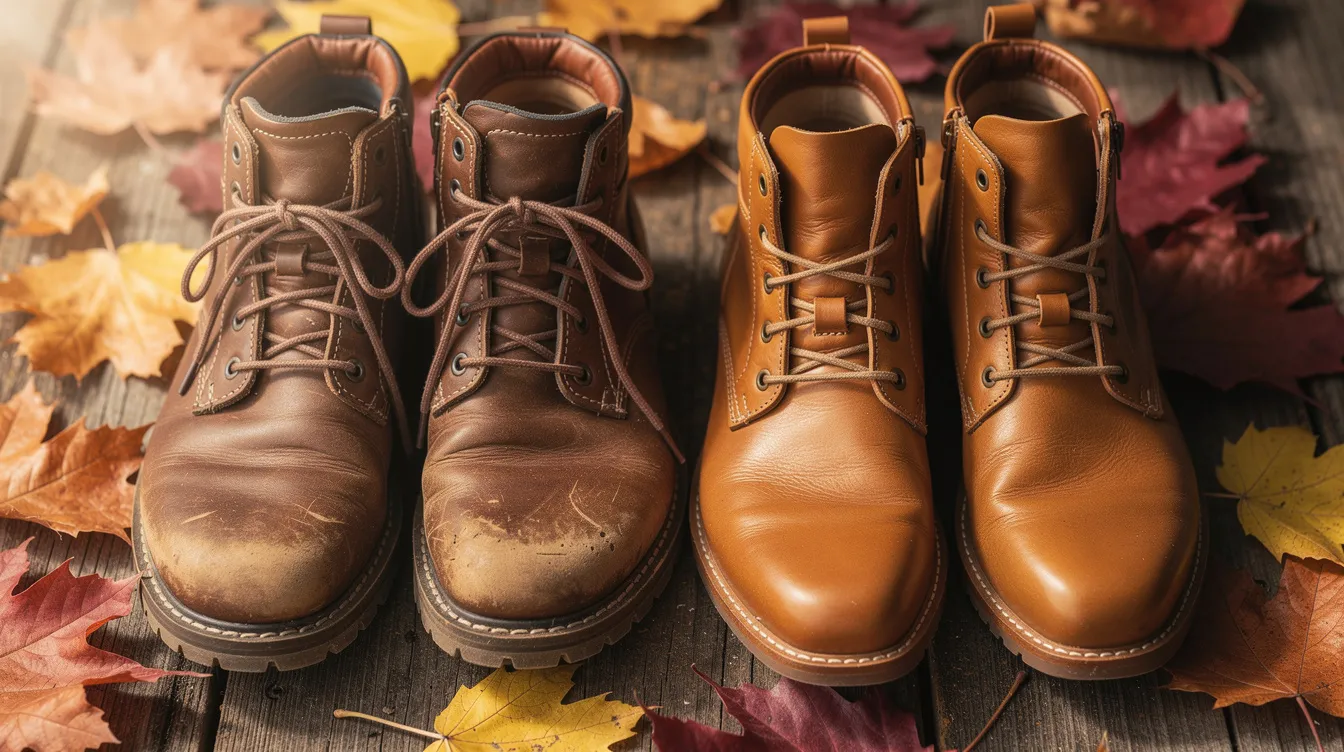
The second pair serves as a backup for a different setting or unexpected weather. This could be ankle boots, waterproof sneakers, or something slightly dressier depending on your plans. Leather shoes or solid sneakers handle wet cobbles well and transition from daytime sightseeing to a casual dinner without looking out of place. Avoid smooth-soled shoes on wet surfaces, as they become genuinely dangerous on slick pavement or damp trails.
For late October trips or destinations with colder weather, proper boots are recommended for late autumn conditions. If your weekend includes trail time in places like the Ardennes, waterproof hiking boots are needed for those kinds of rugged, muddy paths.
Wear the bulkier pair while traveling and pack the lighter pair inside your carry on. Stuffing socks or small items inside packed shoes saves additional space and helps the shoes hold their shape.
Outer Accessories: Hats, Scarves, and Gloves
A warm but packable scarf can do double duty as a wrap on a plane, a layer on a chilly patio, or a bit of style at dinner. Choose one in a neutral tone that complements the rest of your color palette, and it will match everything without feeling like excess.
If nighttime temperatures dip below roughly 50°F, a beanie or knit hat makes a noticeable difference. This is especially true for foliage walks, outdoor evening events, or destinations in the northern U.S. and mountainous areas where fall nights can feel closer to winter.
Pack one to two pairs of gloves for colder weather or windier destinations. Lightweight gloves that fold flat take up almost no space and can be the difference between enjoying an early morning outing and cutting it short because your hands are numb. Keep accessories simple and matched to your main outfits so you are not carrying multiple mismatched options.
Toiletries: Streamlined but Complete
For a 3-day trip, you need small amounts of the basics and nothing more. Toiletries should include deodorant, shampoo, and basic personal care items like cleanser, moisturizer, toothbrush, toothpaste, and any daily medications. Decant full-size bottles into small travel containers to keep the kit compact.
Fall air can be dry, particularly in interior or higher-elevation regions. Travel-sized skincare products can combat dry autumn air, so toss in a small lip balm and hand cream to prevent cracking. UV rays can be strong during fall days, making sunscreen with SPF 30 or higher necessary even when the sky looks overcast.
If your plans include time in wooded or rural areas, insect repellent may be necessary for outdoor areas in fall, depending on the region and how warm it still is.
If flying with only carry on luggage, all liquids need to be in containers of 3.4 ounces or less, fitting into one quart-size clear bag. Keep any prescription medications accessible, along with a basic pain reliever, and you have a toiletry kit that covers every realistic need for a short trip. A basic first aid kit with bandages, antiseptic wipes, and blister pads is also worth the tiny amount of space it takes, especially if hiking or city walking is on the agenda. First aid supplies are the kind of thing you hope you will not need but are grateful to have if you do.
Weather Essentials: Rain, Wind, and Changing Temps
Fall is unpredictable. A compact umbrella is useful for unpredictable fall weather and takes up almost no space in a personal item or the outer pocket of a carry on. If you already have a hooded rain shell as your main jacket, an umbrella becomes optional, but for city trips where you want to stay dry without always wearing a jacket, it earns its spot.
A packable scarf and hat combo covers early mornings or evenings when temperatures drop suddenly. These are not extras - they are core tools for a season where the weather between breakfast and dinner can feel like two different climates.
For muddy shoes or wet items picked up along the way, a resealable plastic bag or small waterproof stuff sack keeps everything else in your bag clean. Simple and effective.
One of the most interesting things about fall travel in places like Belgium is how much the season can change in a short window. Belgian autumn averages 15.2°C in September and drops to 7.2°C in November. That kind of range means you should pack for two autumns: early and late, with different needs for each. Six clothing layers are recommended for Belgian autumn trips, built around the same base-mid-outer system described earlier. Whether you are in Europe or North America, the principle holds: check the forecast right before leaving and make a small last minute adjustment - add a scarf, swap a mid layer - rather than packing for every possible scenario across two months of weather.
Tech and Travel Comforts
The essentials here are straightforward: phone, charger, a small power bank with at least 10,000 mAh for full-day excursions, and headphones or earbuds. If you are a reader, an e-reader is lighter and more space-efficient than a paperback, though either works. A small camera is optional and depends on how excited you are about foliage photography.
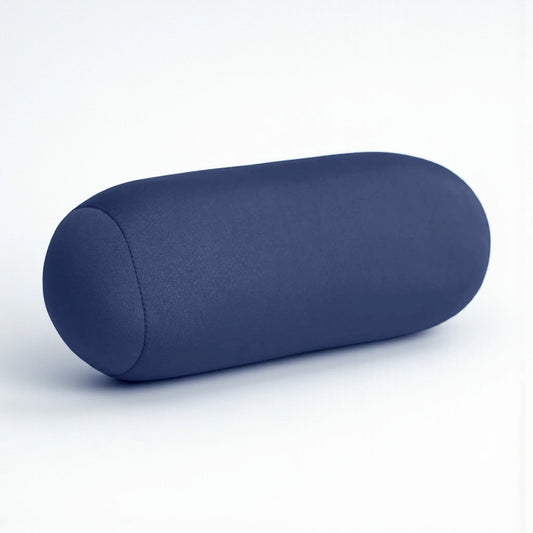
Keep cords organized in a simple pouch so they do not tangle in your backpack or personal item. For flights or longer drives, a compact neck pillow can make rest much easier. The Travel Fanatics Mini Microbead Travel Pillow is a soft, packable option that conforms to your neck shape and fits inside a personal item without adding noticeable bulk. The microbeads compress down so you can barely feel it in your bag until you need it.
Limit extra gadgets so the personal item stays light enough to carry all day. You do not need a laptop for a fall weekend unless it is a business travel trip, and even then, a tablet usually covers it.
Sleep and Relaxation: Making Nights More Comfortable
Even on a quick fall weekend, quality sleep makes a big difference in how much you enjoy your days. Unfamiliar lodging, noisy streets, or a pillow that does not quite work can turn a fun adventure into a groggy slog.
Simple sleep helpers like an eye mask and earplugs are small but high-payoff items. A comfortable travel pillow for planes, trains, or unfamiliar hotel beds also helps. The Travel Fanatics Mini Microbead Travel Pillow can be tossed into a tote or clipped to a backpack without taking up much space, and it doubles as a comfort boost in accommodations where the pillows are not great.
Bring one small comfort item from home - a favorite pair of cozy socks or a familiar scarf - rather than a whole stack of extras. That one piece can make a cabin or hotel room feel more restful without adding weight to your bag. Sleep well, and every other part of the trip gets better.
Packing Cubes and Organization Tricks
Use packing cubes to keep items organized inside your carry on. They divide your contents into logical groups: one cube for tops and bottoms, one for underwear and socks, and one for sleepwear and any workout gear if needed. This system means you are never digging through a jumbled pile to find a clean shirt at the bottom of the bag.
Cubes also compress clothing slightly, freeing up room for toiletries and shoes. The compression factor matters more than people expect - a bulky sweater that seems to fill half a bag on its own shrinks down considerably inside a snug cube.
At your destination, unpack cubes directly into drawers or set them on a shelf for an instant organized mini-closet. This small habit makes even a one-night stay at a hotel feel more settled and less chaotic. For anyone who has come back from previous trips with a suitcase full of tangled, wrinkled clothes, packing cubes are the simplest upgrade available.
For Active Fall Plans: Hiking, City Walking, and Light Backpacking
If your fall weekend involves foliage hikes, long city walks, or a light backpacking trip with indoor accommodations, a few swaps keep the pack functional without adding weight.
Swap one everyday top for a moisture-wicking performance top that can be reworn after a sweaty trail without holding odor. Lightweight hiking pants or durable leggings work as one of your two pairs of bottoms, giving you freedom on the trail without needing a completely separate outdoor wardrobe.
A small daypack, roughly 20 to 25 liters, is useful for carrying essentials during outings - water, a snack like trail mix, an extra layer, and your phone. Use the main suitcase or duffel only for transit and lodging. Your hiking boots should be the pair you wear on travel day if you are flying, since they are the bulkiest item and take up the most space. Waterproof hiking boots are needed for rugged trails like those in the Ardennes or similar terrain. For less intense walks, a sturdy pair of sneakers with good grip handles most autumn paths.
Reusable water bottles are essential for staying hydrated during hikes and worth the small space they occupy. A collapsible bottle is the most packable option.
Laundry and Rewearing: Staying Fresh on Short Trips
For three days, full laundry is usually unnecessary. But quick sink washes for undergarments or socks keep everything feeling fresh, especially if you are using quick-dry fabrics that are ready by morning.
A compact, lightweight laundry bag keeps worn items separate from clean ones inside your suitcase. This prevents odor transfer and keeps your organized system intact. The Travel Fanatics Travel Laundry Bag folds down to roughly six by six inches when empty but opens up to hold a full week of laundry. It weighs about 3.5 ounces and uses a drawstring plus zipper closure to contain odors. For a short trip, it is more than enough to corral dirty clothes in a small hotel room or cabin.
Planning to rewear items is central to any pack light strategy. Merino base layers, sweaters, and jeans all handle multiple wears gracefully. This is not about being careless with hygiene - it is about being realistic. On a 3-day trip, no one notices or cares that you wore the same sweater on Saturday and Sunday.
Secure Essentials: Documents, Money, and Daily Carry
Some items should always stay with you, not in a checked bag or left behind at the hotel. Your ID or passport, wallet, cards, phone, and any tickets or confirmations belong in your personal item at all times.
A slim, secure wallet keeps things streamlined. Scan key documents - passport, insurance card, confirmation numbers - to a cloud account so you have digital backups in case anything gets lost. A small crossbody bag or belt bag is helpful when exploring, keeping daily essentials close without the bulk of a full backpack.
Keep one pen and a small notebook handy for quick notes, directions, or packing tweaks mid-trip. It sounds old-fashioned, but it is surprisingly useful when you need to jot down a restaurant recommendation or adjust your plan for the next day.
Optional Extras: What's Worth Bringing (and What to Skip)
A few optional items earn their space on specific fall trips. A paperback book or e-reader is worth it if you plan to spend any time on a train, in a cafe, or on a cabin porch. Compact binoculars can make a foliage walk more interesting if scenery is a highlight of the trip. A reusable water bottle, as mentioned, is useful well beyond hiking.
Skip duplicates. Two scarves, two pairs of gloves, multiple "just in case" outfits - none of these belong on a 3-day packing list. If you are debating whether to bring something, apply this rule: if it will not be used at least once a day on a 3-day trip, it probably does not need to come. You would not pack a sleeping bag for a hotel stay, and you do not need three backup tops for a weekend either.
Leave some space in your bag for a small souvenir. Coming home with a piece of local pottery or a bag of food from the destination is more satisfying than cramming in extra clothes you never wore. Think about what you want to bring back, not just what you want to bring along. This is not camping where you need every piece of gear imaginable - it is a weekend, and a bit of open space in your bag is a luxury.
Sample 3-Day Fall Weekend Packing List (All in a Carry-On)
Here is how it all comes together. On travel day, wear your jeans, a long-sleeve base layer, your heaviest sweater or jacket, and your walking shoes. That is the bulkiest stuff out of the bag before you even zip it shut.
Inside the carry on, pack one extra casual top, one slightly dressier top, a pair of leggings or lighter pants, three sets of underwear, three pairs of socks (one thicker pair), one sleep set, your outerwear jacket if not wearing it, a scarf, a hat, and lightweight gloves if the forecast calls for them. Add one pair of backup shoes, your streamlined toiletry kit, a compact umbrella or rain shell, your tech pouch with charger and power bank, and a compact travel pillow like the Travel Fanatics Mini Microbead Travel Pillow.
In your personal item, keep your wallet, phone, headphones, a book or e-reader, snacks, and a water bottle. The Travel Fanatics Travel Laundry Bag folds flat in the main bag and opens up to separate dirty clothes as the weekend goes on.
If the forecast leans warmer, swap the sweater for a lighter cardigan and skip the gloves. If it is trending cooler, add long underwear as a base layer and bring a heavier mid layer. The beauty of packing lists built around this framework is that swapping one or two pieces adjusts the whole system without starting from scratch.
This same approach scales for longer adventures. For a week, you add one more top and one more set of undergarments, do a mid-trip laundry, and keep the exact same bag. For two weeks, repeat the cycle. The 3-day capsule is the foundation that makes every trip - short or long - more manageable. Whether you are planning a Costa Rica getaway in a different season or a late October foliage walk in Vermont, the mindset is the same: versatile layers, minimal shoes, and a bag that does not fight you.
Wrapping Up
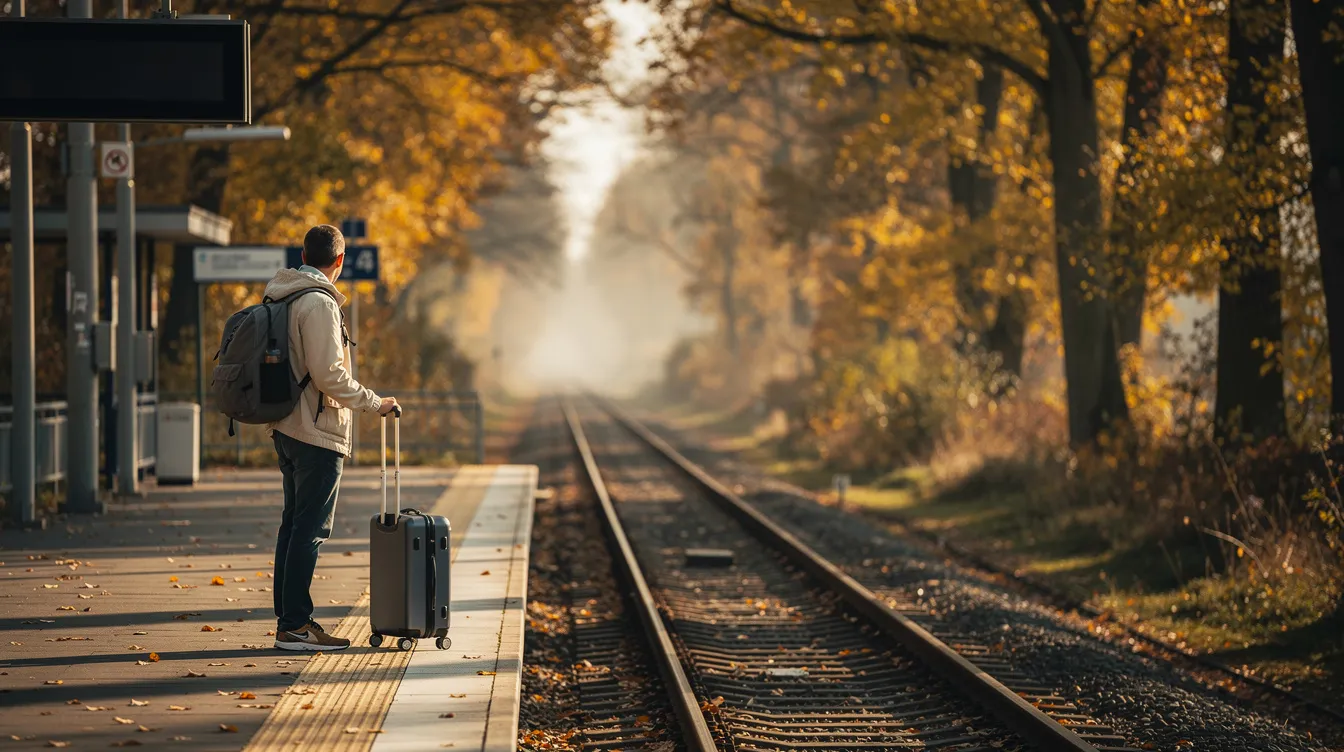
Figuring out what to pack for a fall weekend trip does not have to be stressful. The whole point is to spend less time worrying about your bag and more time enjoying the season - the crisp mornings, the warm afternoons, the cozy evenings. A thoughtful 3-day packing list built around versatile layers, two pairs of shoes, streamlined toiletries, and a carry-on-friendly setup keeps you warm, dry, and ready for whatever your adventure brings.
The key mindset is simple: pack for what you will actually do, not for every scenario you can imagine. Choose fabrics that work hard across multiple wears, organize with packing cubes, keep toiletries minimal, and leave room to enjoy the trip rather than hauling a bag that is heavier than it needs to be.
Adapt this list to your personal style and destination. Some travelers prefer a flannel over a fleece, hiking boots over sneakers, a notebook over a tablet. The specifics flex, but the approach stays the same: minimal, intentional, and ready for fall.