

What Travelers Should Know Before Every Trip
Whether you are flying across the world or heading to the next country over, knowing what to expect before you leave makes all the difference. The gap between a smooth trip and a stressful one almost always comes down to preparation, not luck. This guide covers everything travelers should know, from carry on strategy and long flight comfort to safety abroad, staying connected, and keeping your stuff organized on the road. Think of it as a set of travel tips you can revisit before every departure.
Essential Travel Tips to Know Before You Go
Let's start with the things that matter most on travel day, because getting these right sets the tone for everything that follows.
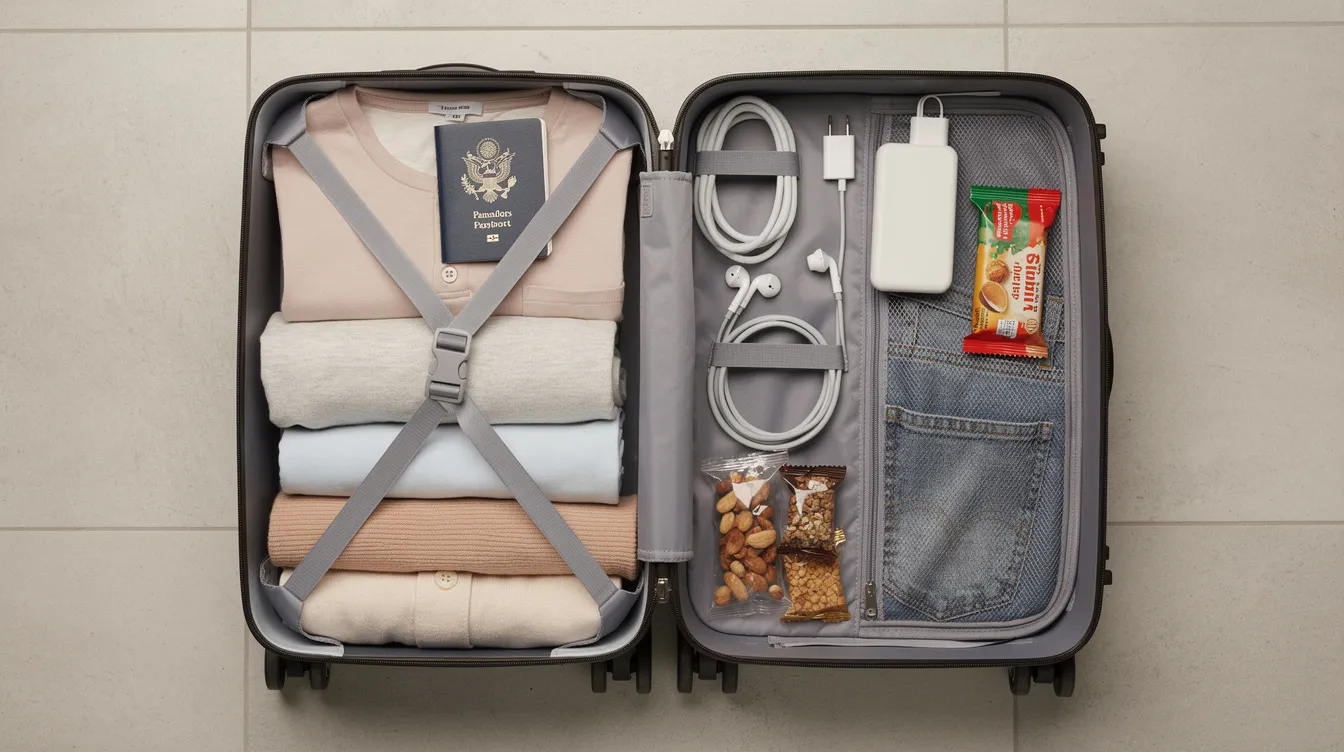
Always pack essentials in your carry on bag. That means your passport, medications in their original containers (with enough supply for the entire trip), a change of clothes, chargers, snacks, and any important documents like hotel confirmations or visa printouts. Treat your checked luggage as bonus space only. If it gets lost or delayed, you should still be able to function for a day or two with what is on your person.
Preparing for a long flight starts before you reach the gate. Drink plenty of water and avoid alcohol before long flights, since cabin air is extremely dry and alcohol acts as a diuretic that accelerates dehydration. Bringing your own snacks can enhance comfort during long flights and helps you pack food for layovers to save on expensive airport meals. Staying hydrated is one of those simple habits that makes an outsized difference in how you feel when you land.
Before you leave, download your airline's app and save your boarding pass to your phone. Take a screenshot of it too, because airport Wi-Fi can be slow or down entirely. Download offline maps and travel apps before departure so you can navigate your arrival city without relying on cell data. Save your hotel address and reservation emails where they are accessible offline.
Building buffer time between flights, trains, and tours reduces stress dramatically, especially when changing terminals or arriving late at night in a foreign country. Contact a trusted person with your travel itinerary so at least one friend or family member knows where you are headed and when. Arrive at the airport early to avoid stress, giving yourself enough time to handle anything unexpected without rushing.
Packing Smart: Carry-On Strategy and Luggage Essentials
There is a difference between packing light and packing smart. Ultra-minimalist carry on travel works for some people, but most travelers do better when they plan what to pack around versatility and access rather than obsessing over a specific bag weight. Overpacking wastes time, causes fees, and creates emotional burden. Smart packing sits in the middle.
Organize your carry on so that the most important items are easy to reach. Documents, headphones, snacks, and a light sweater should go in your personal item or top compartment. Heavier, less frequently used stuff goes in the overhead bin. Bring versatile clothing that can be layered and reused across different settings and weather.
Rolling clothes saves space and reduces wrinkles, especially with cotton and synthetic fabrics. Packing cubes help you see what is inside each compartment at a glance, which speeds up daily outfit selection. You can also pack a travel pillowcase stuffed with clothes for extra space, and bring half-empty toiletries to save luggage room.
Separating clean and dirty laundry mid-trip prevents smells and moisture from spreading to fresh outfits. The Travel Fanatics Travel Laundry Bag is a simple way to keep used clothes contained so you are not digging through a mixed pile every morning. For longer hotel stays, a collapsible solution like the Travel Fanatics Collapsible Travel Laundry Basket serves as a temporary hamper that folds flat when it is time to move on.
Use a small power strip or multi-USB charger so one wall outlet can power multiple devices. This is especially handy in older hotels and shared rooms where outlets are limited or awkwardly placed behind furniture.
Clothing, Comfort, and What to Wear on Long Flights
What you wear on travel day directly affects your comfort, circulation, and how rested you feel when you land. Wearing loose clothing helps prevent discomfort during flights, and choosing breathable fabrics and loose layers lets you adjust to changing cabin and airport temperatures without digging through your bag.
Closed-toe shoes that slip on and off easily simplify security checks and accommodate swollen feet, which happen to most passengers on longer flights. Very tight footwear can become genuinely miserable after several hours in the air. Pack an extra pair of socks in your personal item to change into mid-flight and after landing for a quick comfort boost and a fresher feel.
Wear compression socks to reduce blood clot risk on flights, particularly on routes longer than four to eight hours. Compression socks can reduce the risk of blood clots on flights by improving circulation and reducing swelling. Simple in-seat stretches, periodic walks down the aisle, and choosing an aisle seat for easier movement all help. If you prefer sleep over mobility, choose a window seat for better sleep support and lean against the wall.
If your itinerary includes religious sites or conservative regions, pack modest, respectful clothing that covers shoulders and knees. Being turned away at the entrance to a temple or mosque because of what you are wearing is an avoidable surprise.
Documents, Money, and Security Basics
Losing your passport or all your cards abroad is far more disruptive than forgetting a T-shirt. This section is about peace-of-mind prep that costs almost nothing in time or money but can save an entire trip.
Carry a photocopy of your passport while traveling, and keep digital and physical copies of important documents separate from originals. Save backup digital copies of your passport and ID in secure cloud storage so you can access them from any device. Your passport should be valid for at least six months beyond your return date, as many countries enforce this strictly.
Split credit and debit cards between your wallet, a money belt, and a hidden pouch so one lost bag does not cut off all access to funds. Notify your bank and credit card companies of your travel dates to prevent fraud blocks on legitimate purchases abroad.
Research current exchange rates before traveling and avoid exchanging currency at the airport for better rates. Instead, find ATMs located in reputable bank branches to withdraw cash locally and avoid high exchange fees. Use ATMs in banks to reduce the risk of tampering and hidden fees.
Carry emergency cash of $100 to $200 for unexpected situations, and keep emergency cash hidden in your hotel room or on your person, separate from everyday spending money. Carry a small amount of local cash for emergencies at all times. In very pickpocket-prone areas, a decoy wallet with a few low-value bills and an expired card can draw attention away from your real valuables. Avoid flashing large sums of money or expensive jewelry in public.
Health, Vaccinations, and Travel Insurance
Good health preparation is one of the biggest differences between an easy trip and one ruined by avoidable illness or unexpected costs. Taking care of this in advance is worth every minute.
Research required vaccinations for your destination well before departure. Get vaccinated for Tetanus, Yellow Fever, Typhoid, and Hepatitis A, as these are commonly recommended for international travel. Some countries require proof of Yellow Fever vaccination for entry, and you may be asked for documentation at the border. Arrange vaccinations four to six weeks ahead so multi-dose schedules can be completed in time. Research from the U.S. Department of Health and Human Services confirms that pre-travel health consultations significantly improve vaccine coverage.
Research visa requirements and entry rules for your destination. The new visa integrity fee is $250 for non-immigrant visas and applies for fiscal year 2025. Visa Waiver Program countries may be exempt from the fee. The fee may be adjusted for inflation after 2025, and travelers may be eligible for reimbursement if they comply with visa terms.
Purchase comprehensive travel insurance that covers medical emergencies and trip cancellations, especially where local care is expensive or remote. Keep prescription medications in their original containers and carry enough for your entire trip.
Assemble a compact personal first-aid kit with pain relievers, bandages, antiseptic wipes, blister care, and digestive remedies tailored to your needs. Check local health advisories for safe drinking water before visiting any destination. When in doubt, avoid tap water, ice, and raw produce, and look for high-turnover food stalls where locals eat, as those tend to be safer.
On flights, moderate alcohol and caffeine. Studies show that drinking electrolyte-carbohydrate beverages during a long flight preserves hydration better than water alone. Recognize early signs of heat exhaustion or altitude sickness, such as dizziness, nausea, and headache, on trips that involve drastic climate or elevation changes.
Staying Connected: SIM Cards, eSIMs, and Offline Tools
Modern travel is far easier with connectivity, but roaming fees and dead zones mean you need a plan before boarding your flight.
There are three main options. Roaming on your home phone plan is the simplest but often costs five to ten times more per data unit than alternatives. Buying a local SIM in a foreign country gives you cheap per-gigabyte rates but involves setup friction, potential registration requirements, and language barriers. Installing an eSIM before departure lets you land with working data for maps, ride-hailing, and messaging immediately. Travel eSIMs typically cost between $3 and $7 per gigabyte depending on the country, making them a strong middle ground for most travelers.
Regardless of which option you choose, download offline maps and translation packs so navigation and key phrases work even when cell service fails. Save your hotel address in local script, the phone number, and reservation screenshots to your phone and on paper. Keep emergency contacts and hotel details accessible at all times, whether on a printed card or pinned in your notes app.
Back up important travel documents to secure cloud storage and a password manager so they are reachable on any device if your phone is lost or stolen.
Safety and Situational Awareness Abroad
Safety abroad is a set of simple habits that become automatic with practice, not a reason to feel afraid of traveling.
Research common scams at your destination before traveling. Research local scams before traveling to avoid being targeted, because most tourist traps and theft schemes follow predictable patterns. Taxi overcharging is a common scam in many tourist areas, where drivers refuse to use meters or take deliberately long routes. Fake police officers often target tourists for money, asking to "verify" your wallet. In South East Asia, the closed palace scam is notorious in Bangkok, where a stranger tells you a famous site is closed and redirects you to an overpriced shop. The tea scam is a common trick in China, where friendly locals invite visitors to a tea house and leave them with an enormous bill.
Avoid putting valuables in your back pocket to prevent theft. Keep bags closed and in front of you in crowds, and stay aware on public transport and at big stations. Learn local emergency numbers, know where your country's embassy or consulate is, and understand how to contact them if your passport is lost.
Avoid walking alone in unfamiliar neighborhoods late at night, especially when intoxicated. Use registered taxis or reputable ride-hailing apps instead of accepting rides from strangers. Trust your instincts. If a situation feels wrong, leaving early or saying no is always better than trying to be polite at the expense of your safety.

Airport and Security Know-How
Airports feel chaotic when you are unprepared, but a few habits turn the experience into something manageable.
For international flights, plan to arrive at the airport at least three hours before departure. Domestic flights usually need about two hours. These windows account for check-in, security, and immigration queues that can be unpredictable, especially during peak hours.
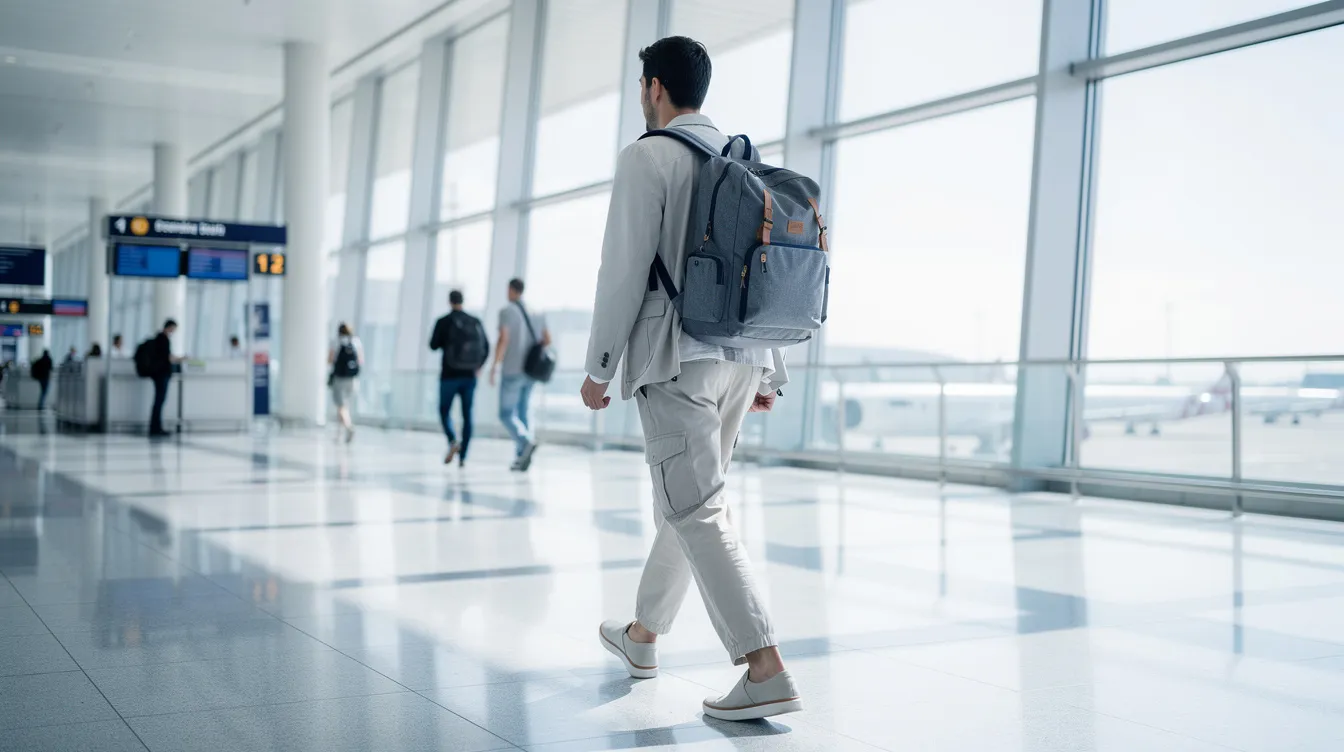
Wear slip-on shoes through security. Organize electronics and liquids so they are easy to remove from your bag. Having a clear quart-size bag with your toiletries ready to pull out speeds up the line and reduces waiting for everyone.
Study the airport map or terminal layout before landing, especially with tight connections. At airports like JFK, none of the five terminals are connected airside, which means changing terminals requires leaving the secure area, using the AirTrain, and re-clearing security. That process alone can eat forty-five to sixty minutes. Knowing this in advance lets you plan realistic buffer time.
When possible, head to distant or less obvious security lines, which tend to be shorter than the nearest visible queue. Bring an empty water bottle through security and refill it airside so you stay hydrated without paying premium prices at the food court.
Accommodation Choices and Hotel Smarts
Your accommodation should match your priorities. If location and convenience matter most, paying a bit more for a central hotel often saves transit time and stress. If you want a social atmosphere, hostels and guesthouses deliver that. If quiet rest is the goal, boutique hotels or well-reviewed rentals are worth the investment.
Balance budget and comfort by choosing a nicer room in a simpler hotel versus a basic room in a luxury property, depending on what matters to you. Read recent reviews that mention noise, cleanliness, and neighborhood safety rather than relying solely on star ratings or professional photos.
Use the in-room safe for your passport, backup cards, and part of your cash. If no safe exists, use discreet hiding places like a sealed bag inside a rolled-up pair of socks at the bottom of your luggage. On arrival, check that windows and doors lock properly, locate emergency exits, and note the hotel's emergency contact information.
Cultural expectations around tipping, quiet hours, and shared spaces vary widely. Tipping is typically 15% to 20% in the U.S., while in other countries it may be lower or even discouraged. Americans are generally friendly and helpful to strangers, but in hostels and guesthouses anywhere in the world, respecting quiet hours and shared kitchen rules avoids friction with staff and fellow visitors.
Getting Around in a Foreign Country
Transportation choices affect both your budget and your stress level once you arrive in a new city. Public transit is often the cheapest and fastest option in congested areas, while taxis or rideshares may be safer and more convenient late at night or when you are carrying heavy luggage.
Check how each option works at your specific destination before arrival. Learn a few key local phrases like "How much?", "Where is…?", and "Please use the meter" to reduce misunderstandings and potential overcharging. In many countries, simply saying "meter" in the local language signals that you are an aware traveler.
Buy transit cards or passes where available. Weekly or tourist passes often reduce per-ride costs dramatically compared to single tickets in major cities. If you plan on renting cars, understand local road rules, check whether an International Driving Permit is required, and review rental insurance details before signing anything.
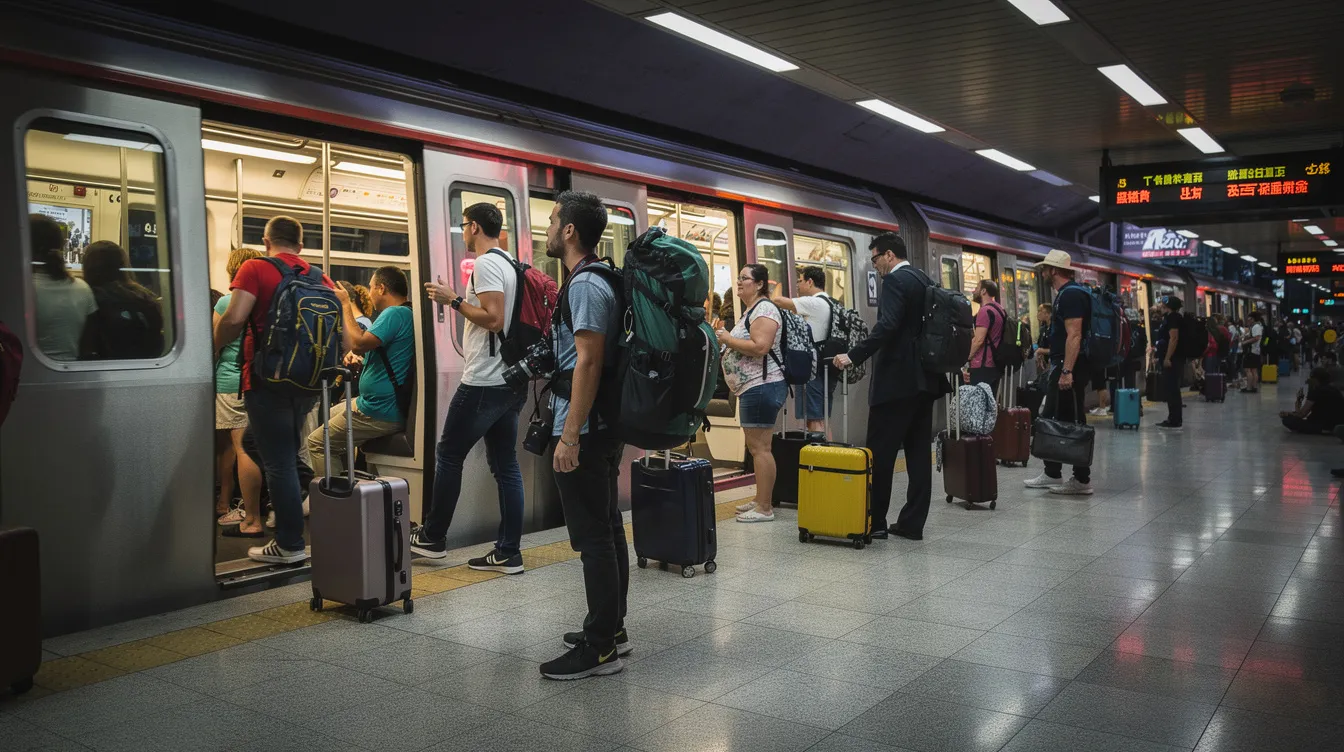
Keep your belongings secure while in motion. Wear daypacks on your front in crowded metros, lock larger bags on overnight buses or trains, and keep valuables in your lap or between your feet rather than overhead where they are out of sight. Understand local laws and customs to avoid unintended offenses, especially around driving, jaywalking, or public behavior.
Respecting Local Culture and Etiquette
Understanding local norms is part of what turns a tourist into a respectful traveler, and it often leads to warmer interactions and a richer experience.
Respect local culture by learning basic phrases and etiquette. Even simple greetings like "hello," "thank you," and "please" in the local language can change how locals treat you. These small efforts demonstrate that you see their home as more than a backdrop for your vacation.
Dress codes at religious sites typically require covered shoulders and knees. In many cultures, removing shoes indoors is expected. Public displays of affection may be inappropriate in conservative regions. Being aware of these norms before visiting avoids awkward moments.
Tipping norms and bargaining etiquette vary by country. In some markets, negotiation is expected and even fun. In others, fixed prices should be respected, and trying to haggle is considered rude. Be careful about photography: always ask before taking close-up photos of people, and understand restrictions at government buildings or sacred places.
The U.S. has six time zones across its fifty states, celebrates a variety of ethnicities and cultures, and is known for its diverse food and cultural offerings. Whether you are visiting the U.S. or traveling from it, awareness of how cultural norms differ across the world makes you a more thoughtful traveler. Make sustainable choices when you can: minimize waste, respect wildlife, and support local-owned businesses instead of treating your destination as a theme park.
Digital Security, Wi-Fi, and Working on the Road
Many travelers handle banking, tickets, and navigation entirely on their phone, which makes digital security part of basic travel safety.
Public Wi-Fi in airports, cafés, and hotels often lacks encryption, which makes financial data vulnerable. Use a reputable VPN service whenever entering passwords or accessing internet banking on shared networks. Enable two-factor authentication on your major accounts and use a password manager so one stolen device does not grant access to your entire digital life.
Back up photos and important files regularly to cloud storage or an external drive, especially on longer trips. A single theft or device failure should not mean losing every photo from your adventure.
When working from cafés or shared spaces abroad, buy something regularly, use headphones, and avoid monopolizing large tables during busy hours. A small power strip and multi-USB charger can double as a compact workstation in older rooms with limited outlets, giving you the freedom to keep all your devices charged from a single wall socket.
Keeping Your Belongings Organized on the Road
Organization saves time every day of a trip and reduces the chance of leaving items behind in a hotel room or on a train.
Create dedicated "homes" inside your bag for your passport, keys, chargers, and toiletries. When every item has a consistent place, you quickly notice if something is missing before it becomes a real problem.
Using separate bags for clean and dirty clothes makes packing and unpacking faster at every stop. The Travel Fanatics Travel Laundry Bag keeps used clothes contained between stops, preventing odors and moisture from reaching your clean outfits. For longer stays where laundry piles up, the Travel Fanatics Collapsible Travel Laundry Basket keeps small hotel rooms from becoming chaotic heaps of clothing and folds flat when you check out.
Build a simple end-of-day routine: empty pockets, plug in devices in the same spot, set out clothes for the next day, and verify that documents and cards are where they should be. Before checkout, do a final room sweep. Scan under beds, inside closets, and around outlets where chargers and travel adapters are the most commonly forgotten stuff.
Mindset, Flexibility, and Enjoying the Journey
Beyond gear and checklists, your mindset is what turns surprises and delays into stories instead of disasters. Maintain flexibility in your itinerary for spontaneous exploration, because the best travel memories often happen when you wander without a rigid plan.
Build room for rest days, exploring new neighborhoods on foot, or saying yes to a genuine local invitation that feels safe. Accept that some things will go wrong. Late trains, sudden storms, and closed attractions are part of travel life, and travelers who expect occasional disruption adapt far more calmly when it happens.
At the end of each day, reflect on what went well and what you would do differently tomorrow. Writing a few notes about favorite meals, a helpful person you met, or a lesson learned turns each trip into a resource for the future. Keep these in a journal or notes app so you can reference them before your next adventure.
Every trip adds to your personal travel wisdom, whether you are flying to the other side of the world or exploring a city a few hours from home. Start planning your next destination with these travel tips in mind, and you will spend less time worrying and more time enjoying the freedom of being somewhere new. The world is more welcoming than the news makes it seem, and being prepared is what lets you experience that firsthand.