
How to Get the Smell Out of a Travel Pillow
A travel pillow picks up more than miles. After a few trips, that familiar sour or musty smell can make it hard to lean into your neck pillow with confidence. The good news is that getting odors out is straightforward once you match the right cleaning method to your pillow's material. Here is everything you need to know to get your pillow fresh again and keep it that way.
Quick answer: the fastest ways to get odor out of a travel pillow
If you need to neutralize odors fast, start with three simple steps before you attempt any deep clean. First, take the pillow outside or set it near an open window so fresh air can circulate through the fabric and fill. Second, sprinkle baking soda in a thin layer over the entire surface, let it sit for one to two hours (or longer for strong smells), and then shake or vacuum it off. Baking soda absorbs odors effectively by trapping moisture and neutralizing acids in its porous structure. Third, mix one part white vinegar with three parts water in a spray bottle and lightly mist the cover. White vinegar kills odor-causing bacteria and deodorizes pillows without harsh chemicals. Let the pillow air dry completely before using it again.
The key detail most guides skip is that removing odors from a travel pillow depends on its filling material. Memory foam pillows, microbead pillows, inflatable neck pillows, and fiber-filled or down options each respond differently to moisture, heat, and agitation. Using a washing machine is generally safe only for removable covers and certain fiber-filled pillows. Memory foam and microbead pillows should be cleaned by hand or with surface methods only. Start with the non-wash methods above, then move to the material-specific routines below if lingering odors persist.
What's making your travel pillow smell? (travel grime 101)
Every time you rest your head during an overnight flight, a long train ride, or a road trip nap, your travel pillow absorbs sweat, skin oils, body oils, hair products, and traces of food or drink. Combine that with recycled cabin air and humidity, and you have an ideal breeding ground for bacteria and mildew. A 2023 study found thousands of bacteria per square inch on airplane surfaces, and your pillow is pressed against your skin for hours at a time. Frequent travelers accumulate roughly 30 percent more skin oils and bacteria on their travel gear than occasional flyers, which means odors build faster with every trip.
There are two distinct types of smell to watch for. A brand-new pillow, especially one with a memory foam core, often has a chemical scent caused by volatile organic compounds that off-gas from foam or plastics during manufacturing. That smell typically fades within a few days of airing. The second type, a musty or sour odor, comes from bacteria, mold, and trapped moisture in used pillows. Neglecting pillow cleaning can lead to mold and mildew growth, particularly when you pack a slightly damp pillow into a sealed carry-on or storage pouch between trips. Bacteria can survive on synthetic fabrics for up to 90 days, so even a pillow that looks clean can smell far from it.
Check the label: know what kind of travel pillow you have
Before you reach for soap and water, find the care label sewn into your pillow or look up the care instructions on the manufacturer's product page. This step alone prevents irreversible damage to foam, beads, or fabric. Different filling types require specific cleaning and care methods to avoid damage, so knowing your material is non-negotiable.
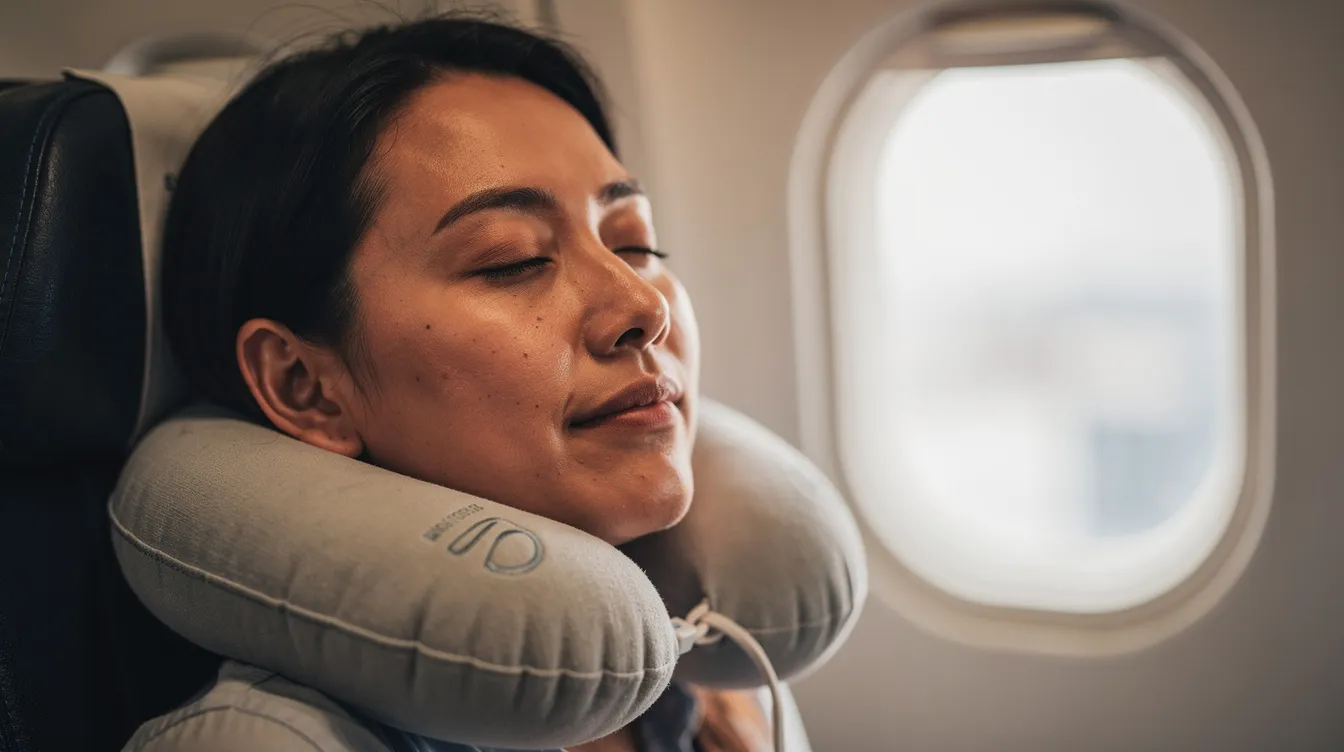
Memory foam travel pillows typically feature a solid or shredded foam core that absorbs moisture deeply. Most pillows in this category are labeled spot clean only for the core, though removable covers are usually machine washable. A microbead pillow is filled with tiny expanded polystyrene beads that are lightweight but sensitive to heat and agitation. For microbead pillows, spot cleaning is recommended instead of submerging them in water. Inflatable travel neck pillows have an air bladder with a fabric cover; the bladder should be wiped rather than soaked, especially near the valve. Fiber-filled or down travel pillows are the most forgiving. Many pillows in this group can go through a gentle cycle wash if handled carefully. The sections below walk through each type in detail.
How to deodorize a travel pillow without washing
For delicate or non-washable travel gear, surface deodorizing is often the safest and most effective first step. It handles mild to moderate odors without risking water damage to foam or bead fills.
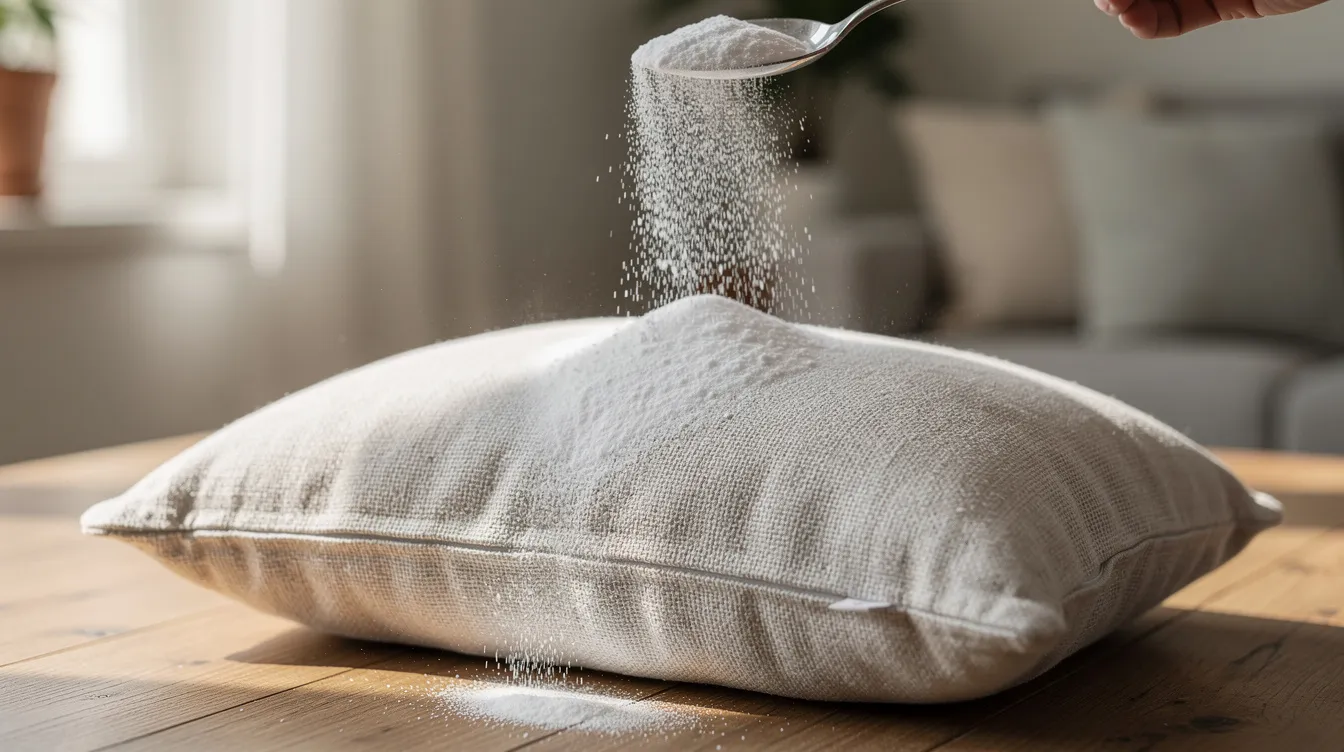
Sprinkle baking soda generously but evenly across the pillow surface and let it sit for one to two hours, or overnight for stubborn stains and smells. Baking soda absorbs odors by capturing odor molecules and excess moisture in its structure. After the wait, vacuum the powder off with an upholstery attachment or shake the pillow out thoroughly outdoors. For persistent smells, follow up with a light mist of white vinegar mixed with water. Spray just enough to dampen the fabric without soaking it, then place the pillow in a well ventilated area to dry fully. White vinegar's acetic acid neutralizes many odor-causing organic compounds on contact.
Direct sunlight and fresh air can also help deodorize pillows. Sunlight naturally kills odor-causing bacteria on pillows, though you should avoid direct sunlight for extended periods on memory foam or dyed fabrics, which can degrade under prolonged UV exposure. For ongoing freshness, tuck activated charcoal pouches or cedar sachets inside the pillowcase or storage bag. Activated charcoal absorbs odors and moisture effectively between trips. You can also add a drop or two of essential oils to a spray bottle with water to mask stale odors when a quick refresh is all you need.
Deep clean by pillow type: memory foam, microbeads, and more
When airing and baking soda are not enough to eliminate stubborn smells, a deep clean targeting the source is the next step. The goal is to remove odor without compromising the ergonomic shape, support, or structure of your travel neck pillow. Below are material-specific routines. Across all types, avoid harsh cleaners, aggressive scrubbing, and high heat drying, which shorten a pillow's lifespan.
Deep cleaning a memory foam travel pillow safely
Memory foam should never be machine washed. The open-cell structure of a memory foam core absorbs water deeply, which can cause waterlogging, cell collapse, and mold growth inside the foam. According to SleepFoundation, machine washing or tumble drying solid foam risks permanent structural damage.
Instead, remove the cover and wash it separately. Use cold water and mild detergent on a gentle cycle for the removable cover. For the foam core itself, use a damp cloth with mild soap and lukewarm water to spot clean dirty or stained areas. Blot, do not rub, and press a dry towel against wet spots to absorb excess moisture. After spot cleaning, sprinkle baking soda over the foam, let it sit for a few hours, then vacuum it off. Avoid direct sunlight on memory foam pillows to prevent material degradation. Air dry memory foam pillows completely, laying them flat on a ventilated surface for at least 24 hours before re-covering. Use a fan to speed the process if needed, but never a dryer or direct heat source.
Deep cleaning a microbead pillow without ruining it
Microbead pillows contain tiny expanded polystyrene beads that give them their signature squishy feel. These beads are non-absorbent but the seams holding them in are vulnerable to agitation, and high heat can soften or clump the beads together permanently. Avoid bleach and harsh chemicals entirely.
If your microbead pillow has a removable cover, take it off and wash it on a gentle cycle with cool water and mild detergent. For the bead-filled inner chamber, stick to spot cleaning with a soft cloth dampened in warm water and mild soap. Avoid soaking the seams. After cleaning, sprinkle baking soda lightly over the surface, let it sit, then brush it off and air dry the pillow in a well ventilated area. A removable, washable cover is the single best investment for keeping a microbead pillow hygienic between trips, since it catches sweat and oils before they reach the beads.
Cleaning inflatable travel neck pillows and their covers
Inflatable pillows have two components that collect dirt and dust differently. The air bladder, usually made of vinyl or TPU plastic, can be wiped down with a soft cloth dipped in a mild soap and water mixture. Keep water away from the valve area to prevent internal moisture buildup. Rinse soap residue off thoroughly, since leftover soap residue can create its own stale smell over time.
The fabric cover should be removed and washed separately. Most covers can be washed by hand or on a delicate cycle at around 30°C with mild detergent. Air dry the cover fully before reassembling. If the bladder itself has a rubbery or plastic smell, leave the valve open and place it in a breezy, shaded spot for a day. Using a clean cotton pillowcase between your skin and the plastic surface also helps reduce exposure to that factory smell.
Machine-washable fiber-filled or down travel pillows
Fiber-filled and down travel pillows are the easiest to deep clean because most pillows in this category are designed to handle water. Use a front-loading washing machine if possible, since top-loading agitators can distort the fill. Wash with cold water and mild detergent on a gentle cycle. Washing two similar-sized pillows together helps keep the drum balanced. Run an extra rinse cycle to flush out all detergent residue, which itself can trap odors and irritate skin.
For drying, use a low heat setting or air-only cycle. Toss in dryer balls or clean tennis balls to break up clumps in down fill. According to SleepFoundation's pillow washing guide, avoiding high heat drying is critical to prevent fill degradation. Finish by air drying in a warm, dry room or shaded outdoor spot, fluffing the pillow periodically to restore its loft. Make sure the interior is completely dry before storing.
Drying the pillow correctly so smells don't come back
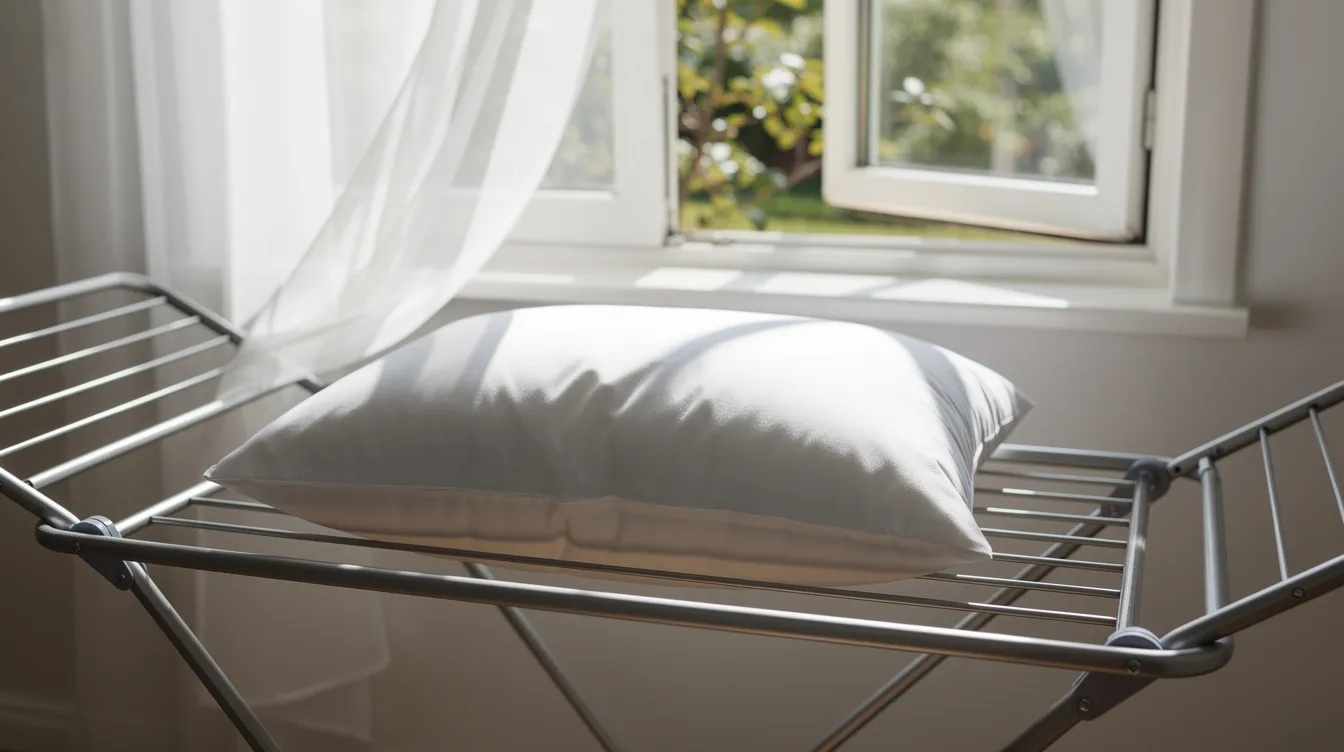
Improper drying is the single most common reason travel pillow odors return. Even a small pocket of trapped moisture inside foam or fill creates the damp conditions bacteria and mold need to thrive. For foam pillows and microbead pillows, lay the pillow flat on a ventilated surface, flip it every few hours, and allow at least 24 hours of drying time depending on thickness and ambient humidity. Use fans or a dehumidifier in damp climates.
For washable covers and fiber-filled pillows, a dryer on a low heat setting or air-only cycle is acceptable, but avoid high heat when drying travel pillow covers to prevent shrinking and fabric damage. Before you pack the pillow away or use it on your next journey, squeeze and press it in several spots. If any area feels cool or damp, it is not fully dry. Always air dry pillows completely before packing to prevent musty odors from developing in storage.
Preventing odors: how to keep your travel pillow fresh between trips
Prevention is simpler and far less time-consuming than a full deep clean. The most effective habit is using a removable cover or pillowcase every time you travel. A removable cover should be washed according to the care label instructions after every trip, since it catches the majority of sweat, oils, and travel grime before they reach the core. Regular cleaning reduces allergens and bacteria on pillows, which keeps them not just smelling better but genuinely more hygienic.
When you return from a trip, air out your travel neck pillow for at least several hours in a well ventilated area before storing it. Never pack it while it is still damp. Avoid sealed plastic bags for long-term storage; instead, use a breathable fabric bag or leave the pillow in an open closet. A light sprinkle of baking soda or a quick white vinegar mist every few trips keeps the pillow stays fresh without the need for a full wash. These small steps ensure your pillow hygienic routine takes minutes, not hours.
Choosing low-odor pillows and covers for your next journey
Material choice directly affects how much odor maintenance your pillow demands. Memory foam offers structured support but is slow to dry and cannot be machine washed. Microbead fill is lightweight and breathable but sensitive to heat. Natural fibers and synthetic fiberfill are the most wash-friendly, though they may flatten with heavy use. Across all types, look for travel pillows designed with removable, machine-washable covers and breathable outer fabrics that resist trapping sweat and dust.
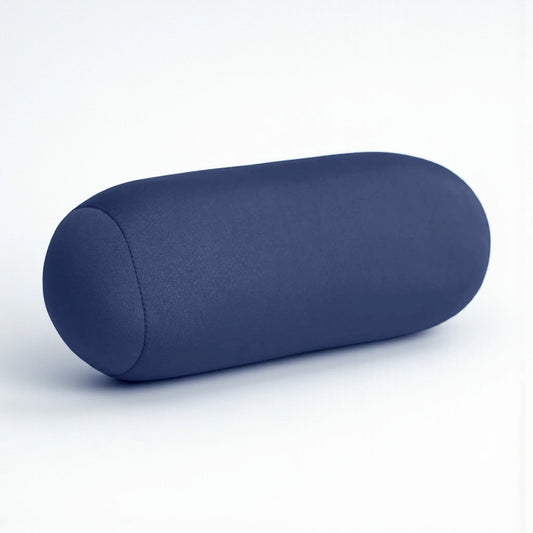
The Travel Fanatics Mini Microbead Travel Pillow is a good example of a compact option built for easy care, featuring durable double-seamed construction and a washable cover that air dries quickly. When you are upgrading your travel gear, prioritize easy-care design alongside comfort and ergonomic shape. A pillow that is simple to clean is one you will actually keep fresh trip after trip, and that makes every next journey more comfortable.